
Regional Engagements & Domestic Initiatives Webinar – The Feminist Helpline Research Initiative On 12 February, we hosted a regional webinar to launch our latest, cross-border research project: the Feminist Helpline Research Initiative. Moderated by DRF’s Hyra Basit, the panel featured Denuka Jayasinghe from Hashtag Generation; Siddarth Pillai from Rati Foundation; Anaïs from TCM; and Sara …

Regional Engagements & Domestic Initiatives
Webinar – The Feminist Helpline Research Initiative
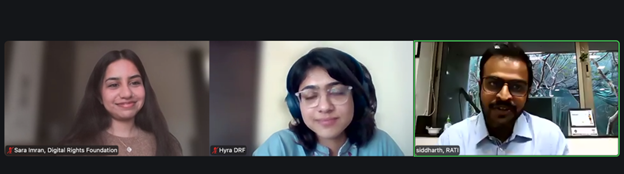
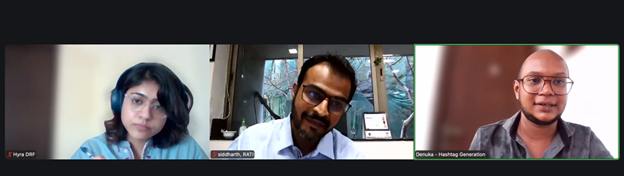
On 12 February, we hosted a regional webinar to launch our latest, cross-border research project: the Feminist Helpline Research Initiative. Moderated by DRF’s Hyra Basit, the panel featured Denuka Jayasinghe from Hashtag Generation; Siddarth Pillai from Rati Foundation; Anaïs from TCM; and Sara Imran from the Digital Rights Foundation. The webinar discussed TFGBV trends in various regions across the globe, challenges faced by helplines when reporting and escalating cases, as well as where platforms fail when it comes to fighting TFGBV.
Our Latest Research & Advocacy:
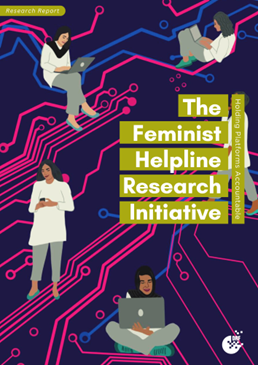 The Feminist Helpline Research Initiative
Technology-facilitated gender-based violence (TFGBV) is an escalating global crisis in online spaces today. In the face of this crisis, feminist helplines are emerging as a critical form of digital safety infrastructure globally. DRF, in partnership with the Social Web Foundation (SWF), conducted research using mixed-methods approach to gain insights through survey questions and in-depth interviews with 14 helplines across the world in regions such as Asia, Sub-Saharan Africa, Latin America, and the Middle East and North Africa to document the lived experiences of feminist helplines, analyze the effectiveness of their reporting mechanisms and identify gaps in platform accountability. Our findings show that there has been an increase in abuse patterns which commonly include intimate image abuse, impersonation, and sextortion. Additionally, platforms fail due to inadequate and untimely responses to reports and escalation requests, a lack of understanding of cultural sensitivities and nuances, and inconsistent enforcement mechanisms across similar issues. We also found how approximately 92% of helplines have felt the need to resort to personal contacts for escalations.
Press Coverage
Pakistan’s AI Reality Check
The DRF Founder joined DigiPod host Usama Khilji for a conversation on how AI is changing the digital space by invisibilising harms and making accountability more difficult. Watch here as Nighat talks through deepfakes, AI-generated abuse, and the importance of guardrails such as strong data protection.
Is Pakistan Ready for the Rollout of AI Into Education?
For Dunya News, Incident Response and Research Analyst Ayesha Babar highlights Pakistan’s distinct vulnerabilities when it comes to the adoption of AI in governance and public services, the most pressing concern being data protection laws. Read the full piece here.
Events
Consultation Session on the National Policy to Combat Online Child Sexual Exploitation and Abuse (OCSEA)
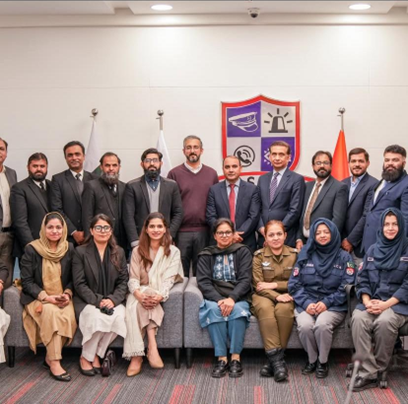 Minahil Farooq from the DRF legal team represented DRF at a consultation on 09 February 2026 at the Punjab Safe City Authority, focused on shaping the National Policy to Combat Online Child Sexual Exploitation and Abuse (OCSEA). The session was organized by the National Commission on the Rights of Child (NCRC) in collaboration with the British High Commission and Adam Smith International. Bringing together key stakeholders from across sectors, the consultation sparked critical conversations on emerging online risks faced by children and strengthened collective commitment toward robust policy responses centered on prevention, protection, and accountability.
Focus Group Discussion on Digital Space, Planning, and Direction of Pakistan at QAU
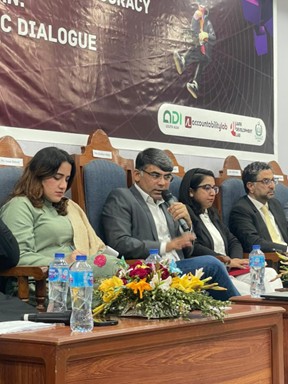 Anam Baloch, Programs Lead at Digital Rights Foundation (DRF), participated in a Focus Group Discussion on Digital Space, Planning, and Direction of Pakistan hosted by the School of Economics at Quaid-i-Azam University in collaboration with Jafri Development Lab, Accountability Lab, and DDI South Asia.
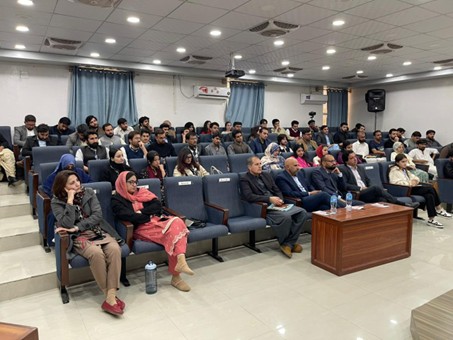 The discussion brought together stakeholders to explore strategies for strengthening digital citizenship, civic engagement, and inclusive participation in Pakistan’s digital ecosystem. During the session, Anam shared insights from DRF’s work on digital rights, highlighting the importance of digital literacy, rights-based policy approaches, and accessible tools that enable citizens to engage safely and meaningfully online.
Digital Literacy Training with Beaconhouse Students
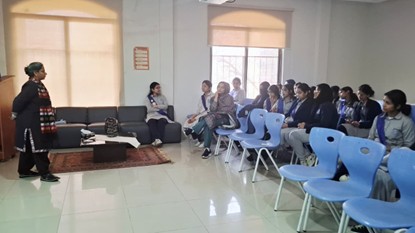 We conducted a digital literacy training session with 50 girls at Beaconhouse School (Liberty Campus). The session focused on key topics including the distinction between bullying and cyberbullying, the importance of consent, gender stereotyping, and maintaining privacy on social media platforms. The students were also informed about the Prevention of Electronic Crimes Act (PECA) law, DRF’s Digital Security Helpline and the support it offers, and guided them on reporting procedures at the National Cyber Crime Investigation Agency (NCCIA).
Tech Trends
UpScrolled: New Palestinian-Owned Social App Tops Global Downloads
UpScrolled, an alternative platform by Palestinian technologist Issam Hijazi, topped download charts in the US, UK, and Australia. Launched to counter “shadowbans” and censorship during the Gaza conflict, the app offers chronological feeds and human-led moderation. Hijazi self-financed the project to ensure independence from corporate agendas. The platform’s rise coincides with shifting TikTok ownership and claims of increased content restriction. Despite server surges, UpScrolled seeks to restore authentic social connection without political or commercial throttling. It ranks eighth in Pakistan, appealing to users seeking a censorship-free digital space for global advocacy and diverse content.
Tip of the Month
WhatsApp has introduced a new “Strict Account Settings” feature designed to help users protect themselves against sophisticated cyber threats and targeted attacks. This optional, lockdown-style mode allows you to instantly apply the most restrictive privacy configurations with just a few taps.
It’s especially valuable for anyone who wants extra protection beyond standard encryption including public figures, journalists, or users concerned about targeted cyberattacks.
You can enable this feature by opening WhatsApp
- Go to Settings → Privacy → Advanced
- Turning on Strict Account Settings.
When enabled, the feature automatically
- blocks attachments and media from people not in your contacts
- silences calls from unknown numbers
- limits settings that could expose your account
These measures reduce the risk of malicious files, phishing attempts, and unsolicited contact attempts from unknown senders.
DRF Resources:
Digital Security Helpline
The Digital Security Helpline received 270 complaints in February 2026, of which 240 were related to cyber harassment.
If you’re encountering a problem online, you can reach out to our helpline at 0800-39393, email us at helpdesk@digitalrightsfoundation.pk or reach out to us on our social media accounts. We’re available for assistance from 9 AM to 5 PM, Monday to Sunday.
Legal Support: (Comms + Legal)
DRF’s Legal team processed six (6) complaints in February 2026, all involving women, all related to cyber harassment.
If you’re in need of any legal support or advice, you can reach out to DRF’s Ab Aur Nahin portal.
IWF Portal
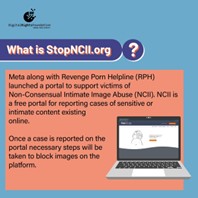
StopNCII.org