All Posts in Newsletter

May 21, 2026 - Comments Off on April 2026: Digital Security Helpline Crosses 3,000 Complaints in 2025

April 2026: Digital Security Helpline Crosses 3,000 Complaints in 2025

Regional Engagements & Domestic Initiatives

DRF at HumanX

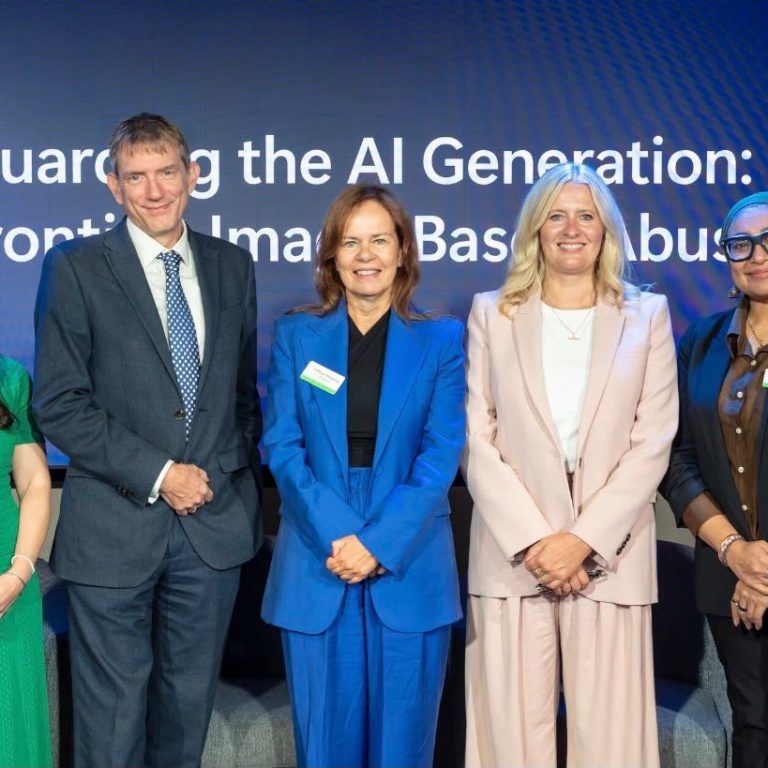
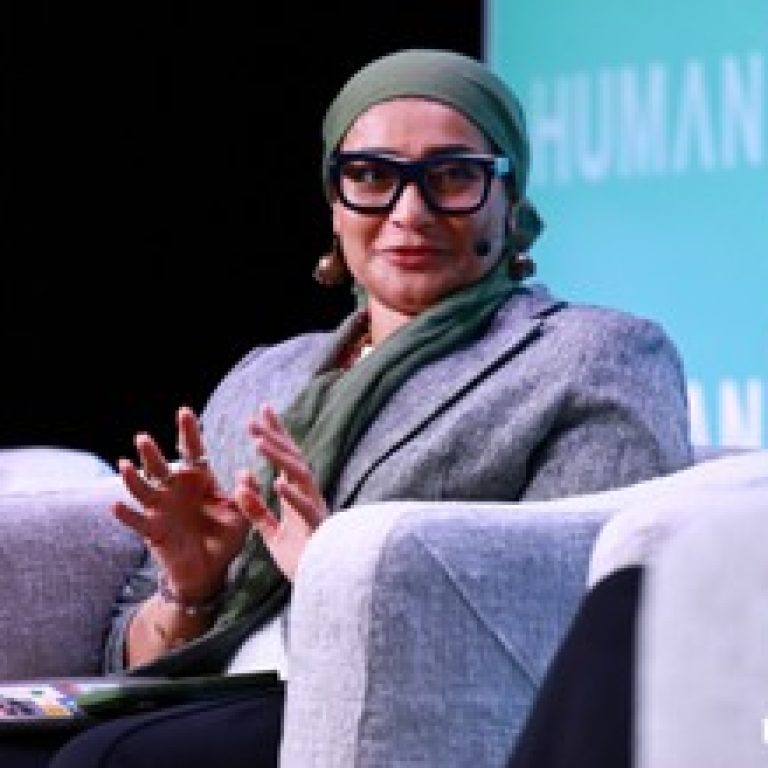
DRF Executive Director Nighat Dad joined tech experts at the HumanX event in San Francisco this April. Speaking at a panel titled Power, Policy, and the AI Race alongside Jim Baker, Senior Fellow at the Council on Foreign Relations; Nand Mulchandani, Visiting Fellow at Stanford’s Hoover Institution; and Axios’ Senior Tech Policy Reporter Ashley Gold, she spoke to the growing need for protective frameworks as AI development rapidly accelerates.

Our Latest Research & Advocacy

3,012 Complaints Received in 2025: Our Digital Security Helpline Report

Released in April, our Annual Helpline Report breaks down the 3,012 new complaints we received across 2025. On average, survivors reported 250 cases per month, including 2,586 instances of cyber harassment. This brings the number of cases the Helpline has received since its inception in 2016 to a total of 23,032. 

The report highlights a 28% increase in cases involving minors, following a 51% increase in 2024, rising to 159 reported cases in 2025 from 124 cases in 2024. Particularly concerning are cases involving children aged 6 to 9, who, while representing a small percentage (0.23%) of total complaints, face severe risks including online grooming, sexual abuse, and digital exploitation. This rise signals a deepening child safety crisis driven by increased digital exposure and insufficient safeguards. We underscore the urgent need for parental supervision, school-based digital literacy, and child protection mechanisms to mitigate these risks.

Across cases reported in Pakistan, Punjab accounted for 69.5% of cases, reflecting both population size and better access to reporting mechanisms. Significantly lower reporting rates were observed in Balochistan (3%), Azad Kashmir (0.6%), and Gilgit-Baltistan (0.26%), indicating persistent gaps in awareness, infrastructure, and access. Notably, the Helpline also saw a 20% increase in international cases, receiving 75 complaints from 30 countries across six continents, compared to 25 countries in 2024.

Crucially, despite 79% of cyber harassment cases being referred to the National Cyber Crime Investigation Agency (NCCIA) for legal intervention, access to justice remains severely constrained. Only 51% of reported cyber harassment cases originated from cities with operational cybercrime offices, forcing many survivors to travel long distances. A total of 892 complaints were received from cities without NCCIA offices, highlighting systemic accessibility challenges. In response to institutional shortcomings, DRF expanded its legal support in 2025, assisting 143 cases through its legal team, conducting 30 court and NCCIA office visits, and directly supporting 68 survivors through in-person processes.

For more details and our recommendations, read the full report online here.

Press Coverage

‘AI is accelerating online abuse in Pakistan’

“A particularly alarming trend identified in the [Digital Security Helpline Annual] report is the continued increase in cases involving minors.” Read DAWN’s coverage of our report here.

The Rising Tide Of Online Misogyny In Pakistan

“According to Digital Rights Foundation Pakistan, 38% of women globally experience online abuse, while 85% witness it.” For The Friday Times, Fauzia Yazdani writes about the need for stronger regulations and platform responsibility to combat digital patriarchy. Read here.

Events

The Fight Against Digital Abuse

DRF was invited to speak at a panel titled ‘Digital Abuse, Deep Fakes, and Gender Based Violence in Pakistan’ by the Saeeda Waheed Gender Initiative at LUMS. Hyra Basit, DRF’s Digital Security Helpline Lead, spoke about the evolving use of AI generated and synthetic imagery to perpetuate TFGBV, the rise in cases received at the Helpline from minors and in what forms these cases manifest, as well as the need for collective stakeholder action to counter and address these issues. Hyra was joined on the panel by Moneeza Hashmi from Kashf Foundation and Ramma Shahid from Chayn.


Data Privacy, Now

On 10 April 2026, the DRF team conducted a panel discussion titled ‘TFGBV and Data Privacy in the Age of AI’ at the 5th UCP International Conference on Law in the Age of Artificial Intelligence, held at the University of Central Punjab, Lahore. The discussion highlighted emerging legal frameworks, platform accountability, and the importance of strengthening data privacy in AI-driven digital spaces.

WISE x DRF: Digital Security for Women Empowerment

On 28 April, DRF’s IT Team conducted a Digital Security session for the WISE (Women in Struggle for Empowerment) Foundation under the theme, “Strengthening Digital Safety, Data Protection, and the Effective Use of Government Portals for Improved Community Services.”

The session brought together 20–25 women participants from regional and local communities across Punjab, who actively engaged in discussions and participated throughout the training. The initiative reflects the shared commitment of WISE and DRF to empowering women and communities through digital literacy, privacy awareness, and safer access to online platforms and government services.

Tech Trends

Musk v Altman: AI tech battle

Tech billionaires Elon Musk and Sam Altman, former partners in the creation and inception of OpenAI and ChatGPT, are set to go to trial for a federal court case. Filed by Musk, the lawsuit alleges that Altman has cheated him out of millions of dollars based on a previously shared idea of keeping OpenAI non-profit. Over the course of the month, Musk and Altman are both expected to testify in the historic case that might put the future of AI at stake.

Gemini to launch in vehicles across the US

Cars in the United States will now be fitted with Gemini, Google's AI chatbot, alongside other in-built Google systems. Google representatives said that Gemini would now be installed in nearly 4 million General Motors vehicles, alongside other car manufacturers which have not yet been named. For now, the roll-out is scheduled to take place in the United States with English language support but availability can expand in the near future. According to the new feature, drivers will now be able to have conversations with the AI assistant and get tasks done hands-free.

Tip of the Month

As of May 8, 2026, Instagram has removed end-to-end encryption (E2EE) from direct messages. This means your chats, voice notes, photos, and videos are no longer protected by a private “lock” that only you and the recipient could access.

  • Instagram can now read, scan, and store message content.
  • Conversations may be reviewed by automated safety and moderation systems.
  • Readable message data can be shared with authorities when legally requested.
  • Private chats now have reduced privacy protections compared to encrypted messaging apps.
  • Information from conversations could potentially be used for ad personalization.

How to stay safer online:

- Avoid sharing sensitive personal, financial, or confidential information through Instagram DMs.

- Move private conversations to apps with default end-to-end encryption, such as WhatsApp or Signal.

- Download and save important chat history if prompted by Instagram.

- Keep your app updated so you receive the latest privacy and security notices.

- Be aware that anything sent through Instagram DMs is not fully private.

But most important of all, think before you send.

DRF Resources

Digital Security Helpline

The Digital Security Helpline received 370 complaints in April 2026, of which 327 were related to cyber harassment.

If you’re encountering a problem online, you can reach out to our helpline at 0800-39393, email us at helpdesk@digitalrightsfoundation.pk or reach out to us on our social media accounts. We’re available for assistance from 9 AM to 5 PM, Monday to Sunday.

Legal Support

DRF’s Legal team processed six (6) complaints in April 2026, with all involving women, with the majority pertaining to blackmail involving sensitive content.

If you’re in need of any legal support or advice, you can reach out to DRF’s Ab Aur Nahin portal.

IWF Portal

        www.report.iwf.org.uk/pk

StopNCII.org

        https://stopncii.org/

April 28, 2026 - Comments Off on March 2026: DRF’s Commitment to Creating Survivor-Centered Care

March 2026: DRF’s Commitment to Creating Survivor-Centered Care

Regional Engagements & Domestic Initiatives

Digital Safety: #ForAllWomenAndGirls

At the 70th Session on the Commission of Status of Women, DRF Founder Nighat Dad highlighted the growing risk the misuse of artificial intelligence poses to the safety of women and children online. To counteract these harms, she added, it is necessary to ensure legal frameworks and actions of recourse are survivor centered. Watch her address at the High-Level Meeting on Violence Against Women and Girls here.

“Ab Kya?” – a Spotlight on Our Digital Security Helpline Team

This month, we launched “Ab Kya?” (“What Now?”), a short video where our dedicated Incident Response Analysts offer advice on how to best approach survivors of digital violence with support. Covering themes such as how to sensitively speak about abuse; keeping minors safe online; and explaining differences between social media platforms and their risks, the series presents guidance on how to navigate complex situations both online and offline. Watch more here.

Our Latest Research & Advocacy

Disinformation in Warfare in the Age of AI and Synthetic Media

Recent escalations between the United States (US), Israel, and Iran have brought the world to a standstill, accompanied by an overwhelming surge of information across online platforms – much of which may not be occurring in real time or may lack verification altogether. This short investigative piece by DRF examines how the evolving nature of modern warfare grows to show that conflicts are no longer fought solely on physical battlefields but also across digital information ecosystems with consequences that extend far beyond online spaces.

Digital 50:50 - Our Data, Our Rights: Reclaiming Privacy in the Digital Age

At a time when data is increasingly used as a tool of power, surveillance and even warfare, DRF’s first Digital 50:50 edition of 2026 brings us back to the basics: who controls our data, how it is used, and who is most at risk. From AI and biometric systems to everyday apps, our digital lives are shaping real-world consequences, especially for women and marginalized communities. This edition is a call to reflect, question and reclaim our rights in an increasingly data-driven world.

Press Coverage

Society: Between Visibility and Violence

Dawn quotes DRF Founder Nighat Dad on the underreporting of complaints from vulnerable communities, pointing towards a greater structural problem in how abuse is addressed online. Read more here.

Events

Online Safety for Working Women, Simplified

To mark International Women’s Day, Communications Lead Vaneeza Jawad spoke at COLABS shedding light on the legal frameworks protecting women in digital spaces and the resources available when those protections are tested. The session was contextualised by establishing the necessity of online safety for working women.

Tech Trends

Google Allows Email Address Change

Google’s chief executive, Sundar Pichai, took to X to announce that Gmail users would now be allowed to change their email addresses without creating completely new accounts and/or inboxes. Changes can be made through Google account settings. The update is currently only available to users in the United States with Google representatives unsure about when it will be released worldwide.

Sadapay goes offline

Late last month, Pakistani fintech company SadaPay announced that it was going offline for all users due to disruptions in its infrastructure. A representative from the company stated that Sadapay’s infrastructure runs on Amazon Web Services (AWS) located in Bahrain, a region that has been affected by the US-Iran-Israeli conflicts. They further stated that full app outage of users is a direct result of their cloud facilities being under drone attacks. While app functionality is still unavailable, the company guarantees that their customer’s data and money are safe and well accounted for.

OpenAI shuts down Sora

In the wake of concerns raised about misinformation and TFGBV through AI-generated non-consensual imagery, OpenAI has shut down its AI video-generation app, Sora. Unveiled approximately 2 years ago, the app was known for creating ‘realistic videos’ based on basic prompts but has recently come under scrutiny for its lack of monetization and possibility of copyright infringement. Closure of SoraAI is not expected to impact image-generation capabilities within ChatGPT and OpenAI has claimed that it plans on redirecting resources towards training robots.

Tip of the Month

Rapid developments in Artificial Intelligence have resulted in AI-generated content becoming more sophisticated, and harder to spot. It’s difficult to tell what’s real online and what's not, especially when it comes to content like images and videos. This makes it easier for misinformation. Here are a few handy tips to spot AI-generated content and avoid sharing misleading material:

  • Examine Hands and Eyes: Check for malformed fingers, distorted hands, or unnaturally rendered eyes (e.g., dead, too wide, or unusual gaze).
  • Check Backgrounds and Text: Look for distorted, warped, or melting backgrounds. Text within images often appears as nonsensical, jumbled letters.
  • Verify Shadows and Reflections: AI frequently violates physical laws, casting shadows in multiple directions or creating impossible reflections.
  • Look Out for Textures That Seem "Too Perfect": AI often produces surfaces that are unnaturally smooth, lacking the imperfections (pores, stray hairs) of real photography.
  • Reverse Image Search: Use tools like Google Images or Yandex to trace the origin of the image and see if it has been flagged elsewhere.

DRF Resources:

Digital Security Helpline

The Digital Security Helpline received 277 complaints in March 2026, of which 239 were related to cyber harassment.

If you’re encountering a problem online, you can reach out to our helpline at 0800-39393, email us at helpdesk@digitalrightsfoundation.pk or reach out to us on our social media accounts. We’re available for assistance from 9 AM to 5 PM, Monday to Sunday.

Legal Support

DRF’s Legal team processed 5 complaints in March 2026, with 4 involving women, mostly related to blackmailing and harassment.

If you’re in need of any legal support or advice, you can reach out to DRF’s Ab Aur Nahin portal.

IWF Portal

        www.report.iwf.org.uk/pk

StopNCII.org

       https://stopncii.org/ 

March 26, 2026 - Comments Off on February 2026: DRF Launches Regional, Collaborative Research on Feminist Helplines

February 2026: DRF Launches Regional, Collaborative Research on Feminist Helplines

Regional Engagements & Domestic Initiatives

Webinar – The Feminist Helpline Research Initiative

On 12 February, we hosted a regional webinar to launch our latest, cross-border research project: the Feminist Helpline Research Initiative. Moderated by DRF’s Hyra Basit, the panel featured Denuka Jayasinghe from Hashtag Generation; Siddarth Pillai from Rati Foundation; Anaïs from TCM; and Sara Imran from the Digital Rights Foundation. The webinar discussed TFGBV trends in various regions across the globe, challenges faced by helplines when reporting and escalating cases, as well as where platforms fail when it comes to fighting TFGBV.

Our Latest Research & Advocacy:

The Feminist Helpline Research Initiative

Technology-facilitated gender-based violence (TFGBV) is an escalating global crisis in online spaces today. In the face of this crisis, feminist helplines are emerging as a critical form of digital safety infrastructure globally. DRF, in partnership with the Social Web Foundation (SWF), conducted research using mixed-methods approach to gain insights through survey questions and in-depth interviews with 14 helplines across the world in regions such as Asia, Sub-Saharan Africa, Latin America, and the Middle East and North Africa to document the lived experiences of feminist helplines, analyze the effectiveness of their reporting mechanisms and identify gaps in platform accountability. Our findings show that there has been an increase in abuse patterns which commonly include intimate image abuse, impersonation, and sextortion. Additionally, platforms fail due to inadequate and untimely responses to reports and escalation requests, a lack of understanding of cultural sensitivities and nuances, and inconsistent enforcement mechanisms across similar issues. We also found how approximately 92% of helplines have felt the need to resort to personal contacts for escalations.

Press Coverage

Pakistan’s AI Reality Check

The DRF Founder joined DigiPod host Usama Khilji for a conversation on how AI is changing the digital space by invisibilising harms and making accountability more difficult. Watch here as Nighat talks through deepfakes, AI-generated abuse, and the importance of guardrails such as strong data protection.

Is Pakistan Ready for the Rollout of AI Into Education?

For Dunya News, Incident Response and Research Analyst Ayesha Babar highlights Pakistan’s distinct vulnerabilities when it comes to the adoption of AI in governance and public services, the most pressing concern being data protection laws. Read the full piece here.

Events

Consultation Session on the National Policy to Combat Online Child Sexual Exploitation and Abuse (OCSEA)

Minahil Farooq from the DRF legal team represented DRF at a consultation on 09 February 2026 at the Punjab Safe City Authority, focused on shaping the National Policy to Combat Online Child Sexual Exploitation and Abuse (OCSEA). The session was organized by the National Commission on the Rights of Child (NCRC) in collaboration with the British High Commission and Adam Smith International. Bringing together key stakeholders from across sectors, the consultation sparked critical conversations on emerging online risks faced by children and strengthened collective commitment toward robust policy responses centered on prevention, protection, and accountability.

Focus Group Discussion on Digital Space, Planning, and Direction of Pakistan at QAU

Anam Baloch, Programs Lead at Digital Rights Foundation (DRF), participated in a Focus Group Discussion on Digital Space, Planning, and Direction of Pakistan hosted by the School of Economics at Quaid-i-Azam University in collaboration with Jafri Development Lab, Accountability Lab, and DDI South Asia. The discussion brought together stakeholders to explore strategies for strengthening digital citizenship, civic engagement, and inclusive participation in Pakistan’s digital ecosystem. During the session, Anam shared insights from DRF’s work on digital rights, highlighting the importance of digital literacy, rights-based policy approaches, and accessible tools that enable citizens to engage safely and meaningfully online.

Digital Literacy Training with Beaconhouse Students

We conducted a digital literacy training session with 50 girls at Beaconhouse School (Liberty Campus). The session focused on key topics including the distinction between bullying and cyberbullying, the importance of consent, gender stereotyping, and maintaining privacy on social media platforms. The students were also informed about the Prevention of Electronic Crimes Act (PECA) law, DRF’s Digital Security Helpline and the support it offers, and guided them on reporting procedures at the National Cyber Crime Investigation Agency (NCCIA).

Tech Trends

UpScrolled: New Palestinian-Owned Social App Tops Global Downloads

UpScrolled, an alternative platform by Palestinian technologist Issam Hijazi, topped download charts in the US, UK, and Australia. Launched to counter "shadowbans" and censorship during the Gaza conflict, the app offers chronological feeds and human-led moderation. Hijazi self-financed the project to ensure independence from corporate agendas. The platform’s rise coincides with shifting TikTok ownership and claims of increased content restriction. Despite server surges, UpScrolled seeks to restore authentic social connection without political or commercial throttling. It ranks eighth in Pakistan, appealing to users seeking a censorship-free digital space for global advocacy and diverse content.

Tip of the Month

WhatsApp has introduced a new “Strict Account Settings” feature designed to help users protect themselves against sophisticated cyber threats and targeted attacks. This optional, lockdown-style mode allows you to instantly apply the most restrictive privacy configurations with just a few taps.

It’s especially valuable for anyone who wants extra protection beyond standard encryption including public figures, journalists, or users concerned about targeted cyberattacks.

You can enable this feature by opening WhatsApp

  • Go to Settings → Privacy → Advanced
  • Turning on Strict Account Settings.

When enabled, the feature automatically

  • blocks attachments and media from people not in your contacts
  • silences calls from unknown numbers
  • limits settings that could expose your account

These measures reduce the risk of malicious files, phishing attempts, and unsolicited contact attempts from unknown senders.

DRF Resources:

Digital Security Helpline

The Digital Security Helpline received 270 complaints in February 2026, of which 240 were related to cyber harassment.

If you’re encountering a problem online, you can reach out to our helpline at 0800-39393, email us at helpdesk@digitalrightsfoundation.pk or reach out to us on our social media accounts. We’re available for assistance from 9 AM to 5 PM, Monday to Sunday.

Legal Support: (Comms + Legal)

DRF’s Legal team processed six (6) complaints in February 2026, all  involving women, all related to cyber harassment.

If you’re in need of any legal support or advice, you can reach out to DRF’s Ab Aur Nahin portal.

IWF Portal

       www.report.iwf.org.uk/pk

StopNCII.org

      https://stopncii.org/

February 17, 2026 - Comments Off on January 2026: Working Towards a People-Centred Policy Framework

January 2026: Working Towards a People-Centred Policy Framework

Regional Engagements & Domestic Initiatives

Emerging Technologies in Pakistan: Towards a People-Centred Policy Framework

On January 14, we hosted a closed-door roundtable discussion in Islamabad to mark the launch of its position paper, “Emerging Technologies in Pakistan: Towards a People-Centred Policy Framework.” The session brought together policymakers, regulators, technologists, media professionals, legal experts, and civil society representatives to critically examine Pakistan’s evolving emerging technology landscape, particularly artificial intelligence, and to deliberate on governance gaps, regulatory challenges, and rights-respecting policy pathways grounded in Pakistan’s social and institutional context.

Nighat Dad at World Bank Panel on Ending Digital Violence Against Women and Girls

Nighat Dad, Founder and Executive Director of the Digital Rights Foundation, spoke at a panel discussion hosted by the World Bank Pakistan during the 16 Days of Activism to End Gender-based Violence. The session focused on the theme “End Digital Violence against All Women and Girls”, bringing together experts to examine the growing threat of technology facilitated gender-based violence (TFGBV) in Pakistan. Drawing on her work at DRF as well as her roles on the Meta Oversight Board and the UN Secretary-General’s High-Level Advisory Body on Artificial Intelligence, Nighat highlighted the urgent need for survivor-centred responses, stronger accountability from technology platforms, and rights-respecting governance frameworks to address online violence.

Women Peacebuilders Forum: Promoting Peaceful, Inclusive and Resilient Societies through the Women, Peace, and Security Agenda

Legal Lead Irum Shujah delivered a session titled “Women, Peace, and Cybersecurity: Harnessing AI for Peace" at the UN Women-organized Women Peacebuilders Forum in Bangkok, focusing on building peaceful, inclusive, and resilient societies through the Women, Peace, and Security Agenda. The session highlighted the impact of online crimes and their gendered nature. Irum discussed digital evidence in the South Asian context, shedding light on cultural and legal barriers hindering the implementation of the Women, Peace, and Security agenda.

Our Latest Research & Advocacy

Co-Design for TFGBV

Communications Lead Vaneeza Jawad lent DRF’s expertise on technology facilitated gender-based violence at a co-design workshop focused on addressing and eradicating gendered harassment on Pakistani university campuses. Hosted by the University of Michigan at Aga Khan University in Karachi, the week-long workshop brought together civil society members, psychologists, and members of academia to both identify issues and find preliminary solutions.

Press Coverage

DRF on Digital Rights Awareness

Ayesha Babar, Project Coordinator at Digital Rights Foundation, spoke on PTV News’ Smart World show on Digital Rights Awareness, explaining digital rights and security, and citizen protection. She highlighted practical safeguards against scams and hacks, including two-factor authentication, strong and unique passwords, privacy settings, device updates, and recognizing phishing attempts. Watch the full segment here.

AI, TFGBV And Policy Blind Spots

For the Friday Times, Fouzia Yazdani reports on our latest position paper on emerging technologies in Pakistan. “The report,” she writes, “reinforces the idea that AI systems are deeply embedded in political and economic structures, and are often designed to serve dominant interests, rendering artificial intelligence a modern registry of power.” Read more here.

Events

A Connected Punjab: World Bank Consultation

DRF Project Coordinator Ayesha Babar attended a consultation organized by the World Bank on Connected Punjab Program. The consultation focused on the environmental and social impact assessment of the proposed project, and strategies to mitigate those risks.

Countering Online Harm in the Contemporary Media Ecosystem: A Seminar at IIUI

DRF Programs Lead Anam Baloch spoke at a seminar titled “Countering Online Harm in the Contemporary Media Ecosystem” organized as an academic contribution to the National Cybersecurity Awareness Week at IIUI. She spoke to the students about the growing challenges of online harm, such as disinformation, cyber harassment, hate speech, privacy violations, and algorithmic risks, within today’s rapidly evolving media environment.

H.E.R. Digital Shield: Healing, Empowerment, and Resilience Against Digital Violence


Programs Lead Anam Baloch represented the Digital Rights Foundation as a panelist at H.E.R. Digital Shield: Healing, Empowerment, and Resilience Against Digital Violence held in Islamabad. She spoke on the panel “Emerging Technologies, Digital Risks, and Safer Online Ecosystems,” contributing insights on how technologies such as deepfakes, online surveillance, and platform-level risks are increasingly used to facilitate digital violence, and the need for survivor-centred, rights-based responses to make online spaces safer for women, girls, and children.

German Ambassador’s 16 Days of Activism Gathering

Programs Lead Anam Baloch attended a discussion and reception hosted by the German Ambassador to Pakistan, as part of the 16 Days of Activism against Gender-Based Violence. The gathering brought together civil society actors and stakeholders to reflect on gender-based violence and collective efforts to address it, underscoring the importance of international dialogue and solidarity in advancing women’s rights and safety.


Tech Trends

OpenClaw - AI virtual assistant goes viral

Formerly known as Moltbot, viral OpenClaw AI personal assistant is gaining attention for its ability of autonomously executing tasks like handling emails, trading stocks, as well as sending messages with minimal user input. Powered through a large language model (LLM) similar to the ones used by ChatGPT, OpenClaw claims to “actually do things,” and has been attracting thousands of downloads.

While users believe this is a major step in AI capability, experts say that it’s this exact autonomy that can raise serious concerns. By granting the AI assistant sweeping permissions, users run the risk of giving AI control over sensitive data. They stress the dangers of unchecked AI power, even as proponents celebrate its potential to transform everyday tasks.

Tip of the Month

Putting your laptop to sleep repeatedly may feel convenient, but it prevents important system and security updates from installing properly. Over time, this can slow down your computer and leave it running with outdated protections.

Plan to shut down or restart your computer regularly, ideally around natural breaks in your schedule, such as at the end of the workday or before the weekend. This gives your device the chance to apply updates, clear temporary processes, and improve overall performance.

This can be simple habit to build:

  • Set a reminder on your phone once or twice a week
  • Save your work and close all programs
  • Click Restart or Shut Down, then step away

Just like you need rest to reset, your computer does too. A proper shutdown keeps it secure, fast, and healthy.

DRF Resources

Digital Security Helpline

The Digital Security Helpline received 304 complaints in January 2026, of which 275 were related to cyber harassment.

If you’re encountering a problem online, you can reach out to our helpline at 0800-39393, email us at helpdesk@digitalrightsfoundation.pk or reach out to us on our social media accounts. We’re available for assistance from 9 AM to 5 PM, Monday to Sunday.

Legal Support

DRF’s Legal Team processed five (5) complaints in January 2026, all of which involved women and were related to cyberbullying, blackmail, and defamation.

If you’re in need of any legal support or advice, you can reach out to DRF’s Ab Aur Nahin portal.

IWF Portal

         www.report.iwf.org.uk/pk

StopNCII.org

        https://stopncii.org/

January 28, 2026 - Comments Off on December 2025: The Month DRF Did It All

December 2025: The Month DRF Did It All

Regional Engagements & Domestic Initiatives: DRF Organises Roundtable Questioning the Real Cost of Going Digital

Digital Rights Foundation convened a multi-stakeholder roundtable to explore findings from its policy brief, The Cost of Going Digital: Evaluating Rights Risks in Pakistan’s Digital Governance, prepared by the DRF team, including Legal Associate Minahil Farooq and Program Coordinator Ayesha Babar. The discussion focused on the implications of the Digital Nation Act 2025, particularly in the absence of a comprehensive data protection framework. Participants included national commissions, UN Women, HRCP, civil society organizations, digital rights groups, and activists. The roundtable provided a vital platform for informed exchange, underscoring the importance of inclusive, rights-based approaches to Pakistan’s evolving digital governance landscape.

DRF’s Digital Security Helpline Joins the International Meeting of Feminist Helplines

As Pakistan’s first feminist, survivor-centred Helpline, our expertise comes from our work on the ground. This December, DRF’s Incident Response Analysts Ayesha and Anmol participated in the meeting of the Feminist Helpline Community 2025, organised by Digital Defenders Partnership in Barcelona. Our Analysts emphasised upon the importance of co-building strategies to escalate cases to social media platforms, and lead an insightful talk around the role of escalations in addressing TFGBV. Through case study based activities and interactive examples, our Analysts demonstrated how to make checklists for drafting escalations, and also highlighted difficulties with escalations such as internal and external barriers in the Trusted Partner Channels. They also participated in a roundtable on tech facilitated gender based violence organized by the Department of Feminism of the Diputació of Barcelona along with Fembloc and presented DRF’s pioneering work. The roundtable hosted representatives from around the globe, including from Bolivia, Brazil, Chile, Catalonia, Ecuador, Eastern Europe, France, Pakistan, Peru, and Venezuela.

DRF Advancing Survivor-Centred Responses to Digital Abuse

14 of the UN’s 17 SDGs depend on ending Gender-Based Violence. For over a decade, the Digital Rights Foundation has been at the forefront of this mission, especially in the rapidly evolving realm of TFGBV. Representing DRF at the Lahore College for Women University at a UNDP Pakistan-led panel, Research and Grants Lead Seerat Khan highlighted how TFGBV manifests uniquely within Pakistan’s cultural and socio-digital landscape, and stressed the urgent need for redressal mechanisms that can keep pace with emerging online threats. She also briefed students on DRF’s survivor-centred Digital Security Helpline, which continues to serve as a critical support system for individuals facing digital violence.

Our Latest Research & Advocacy:

Scaling Digital Solutions for Punjab: DRF’s Expertise for Global Development

Communications Lead Vaneeza Jawad represented DRF at a UNDP Pakistan-led civil society dialogue on Punjab’s development landscape. Vaneeza highlighted the importance of scaling proven solutions, including DRF’s flagship Digital Security Helpline, and emphasized the urgent need to strengthen digital connectivity as communities grapple with climate-driven disruptions.

The Cost of Going Digital: Findings From Our Policy Brief

Our policy brief, The Cost of Going Digital: Evaluating Rights Risks in Pakistan’s Digital Governance, examines the Digital Nation Act, 2025 with a focus on privacy, data protection, and accountability. Informed by international best practices, it outlines considerations for inclusive and rights-based digital governance. Read the full policy brief here.

DRF & YDF United Against Digital Violence

On December 8th, DRF’s Legal associate, Minahil Farooq collaborated with the Youth Development Foundation on a video to combat digital violence. Minahil talks about the importance of knowledge, awareness and support being given to empower people and their rightful digital safety. Watch here.

The Rise of Gambling and Betting Apps: How to Stay Safe Online

DRF Executive Director Nighat Dad issued a PSA about the dangers of gambling through games and livestreams, specifically the intricacies of this specific niche of gambling. Speaking about the pay-to-win and micro-transactions models and their inherently exploitative nature, she advised staying vigilant with the evolving nature of digital spaces, and urged citizens to reach out to DRF’s Digital Security Helpline at 0800-39393 if they face any digital harm. Catch the PSA here.

Press Coverage

Seeing Isn’t Believing: The Rise of Deepfakes

DRF Research Associate Sara Imran, joined SAMAA TV’s broadcast to discuss and inform the public about the nature of deepfakes in the current digital climate. She touched upon explanations of what digital rights are, how people can protect themselves online, and how DRF can step in to escalate. Watch the full coverage here.

What Pakistan’s Platform Laws Need to Get Right

Executive Director Nighat Dad was invited to speak with Huma Aamir Shah on the Geo Morning Show to shed light on platform regulation and why laws must meet the tests of necessity and proportionality. Nighat emphasised the importance of creating an enabling environment for a digital rights market to prosper by ensuring Pakistani laws meet global standards. Watch the segment here.

Events:

Digital Safety for Students: DRF’s Legal Team at UET

On December 10, 2025, Legal Associate Minahil Farooq led an insightful session at the University of Engineering and Technology (UET) as part of our advocacy during the UN’s 16 Days of Activism. The discussion focused on online safety, the Prevention of Electronic Crimes Act (PECA), and navigating the cybercrime complaint process.

DRF’s Digital Security Helpline Leads Session at the Youth Summit Punjab in Lahore

DRF’s Incident Response Analyst, Ayesha, facilitated a dedicated breakout session on tech-facilitated gender-based violence (TFGBV), where she engaged youth volunteers, civil society members, and government representatives in understanding the forms, impacts, and risks of online abuse. The session focused on survivor-centred and trauma-informed responses, the role of community and youth leadership in prevention, and practical strategies for reporting, digital safety, and collective action to address TFGBV at the grassroots level.

DRF Team Leads Session on Cyberbullying at TNS Beaconhouse

DRF conducted a cyberbullying and online safety session for over 80 students at TNS Beaconhouse School. The session aimed to help students understand responsible online behavior, recognize the impact of cyberbullying, and learn practical strategies for staying safe in digital spaces.

Training the Frontlines: Inclusive, Gender-Sensitive Journalism Across Pakistan

In partnership with the Pakistan Press Foundation and Tribal News Network, DRF organized a one-day training workshop in Lahore centered on promoting gender-sensitive and inclusive journalism. The workshop brought together media professionals from rural outlets representing all four provinces and also included dedicated sessions on digital security and workplace safety policies. This was an extension of a fellowship held in April.

From Doorstep to Digital Space: Addressing Digital Violence Against Women Health Workers

DRF’s Helpline Lead, Hyra conducted an awareness and training session in collaboration with the Workers Education and Research Organization, engaging Lady Health Workers, polio workers, and nurses. Their session titled “From Doorstep to Digital Space: Ending Violence Against Women Health Workers” focused on understanding digital violence, its impact on women health workers’ safety and mental well-being, and why such abuse must be recognized and addressed as real workplace violence. Participants were equipped with practical knowledge to identify, respond to, and seek support against digital harassment.

Tech Trends

xAI announces Grok regulations after global backlash against “AI undressing scandal

Elon Musk’s social media platform has been subject to immense global backlash following a scandal involving Grok, X’s official AI chatbot. Grok’s new “Spicy Mode” feature allowed users to produce sexualized images of women and children using very simple text prompts, and this led to a massive proliferation of non-consensual sexualized images on the platform. In response to backlash that saw Indonesia and Malaysia block access to Grok for their users, xAI has announced measures to regulate Grok. This includes geoblocking the ability of users to generate sexualized images in countries where such actions are illegal, restricting image generation to paid subscribers, and preventing Grok from editing images of real people.

Tip of the Month

The “Update later” button might feel harmless, but delaying updates leaves your device exposed.

Those updates often fix security problems that could let hackers access your device, photos, messages, or accounts. When you delay updates, you’re leaving the door slightly open, even if everything seems to work fine.

Software updates don’t just add features, they fix security vulnerabilities that hackers already know about. Once a flaw becomes public, attackers race to exploit devices that haven’t updated yet.

What you can do is:

  • Update your phone and apps when prompted
  • Turn on automatic updates if possible
  • Restart your device after updates

Think of updates like locking your door at night, small effort but big safety. It’s always wise to update apps and operating systems regularly and to not ignore browser and plugin updates.

DRF Resources:

Digital Security Helpline:

The Digital Security Helpline received 307 complaints in December 2025, of which 275 were related to cyber harassment.

If you’re encountering a problem online, you can reach out to our helpline at 0800-39393, email us at helpdesk@digitalrightsfoundation.pk or reach out to us on our social media accounts. We’re available for assistance from 9 AM to 5 PM, Monday to Sunday.

Legal Support

DRF’s Legal team processed three complaints in December 2025, all involving women and mostly related to cyber harassment.

If you’re in need of any legal support or advice, you can reach out to DRF’s Ab Aur Nahin portal.

IWF Portal

          www.report.iwf.org.uk/pk

StopNCII.org

        https://stopncii.org/

December 16, 2025 - Comments Off on November 2025: Welcome to DRF’s Digital Security Helpline

November 2025: Welcome to DRF’s Digital Security Helpline

Regional Engagements & Initiatives

Presenting and Celebrating the First of Its Kind: DRF’s Digital Security Helpline

On 25 November, DRF hosted the relaunch of its Helpline, now expanded and reintroduced as the Digital Security Threat Lab, which will operate alongside our existing support system for survivors of online harassment. The new model reflects our growing mandate to address not only individual cases of cyber harassment but also complex digital threats faced by civil society, journalists, human rights defenders, and at-risk communities. As part of this expansion, we proudly introduced South Asia’s first Emerging Threat Lab, designed to enhance our capacity to monitor, analyze, and respond to evolving digital security challenges. This marks a significant milestone in our journey.

With a keynote addresses from DRF Founder Nighat Dad and First Secretary Political Affairs at the Embassy of the Kingdom of the Netherlands in Islamabad, Laurens Bistervels, the event brought together journalists, civil society members, digital rights advocates, lawyers to celebrate the Helpline’s 9th anniversary and acknowledge the collective efforts that have strengthened our response mechanisms. This relaunch also coincided with the beginning of the 16 Days of Activism Against Gender-Based Violence, with this year’s campaign focusing on ending digital violence against women and girls. As we embark on this global movement, we reaffirm our commitment to fostering safer, more inclusive digital spaces across Pakistan and South Asia.

DRF Founder Joins UNFPA’s South Asia Safety ShowcaseOn 20 November, DRF Founder Nighat Dad joined the Asia Safety Showcase led by the UNFPA, the first of its kind in its region, to take part in a session on policies and features that prevent, protect from, or respond to TFGBV across Asia. Dad outlined the problems with E-safety laws in the region, while also acknowledging the creative feminist solutions championed by South Asian civil society when it comes to tackling TFGBV.

Our Latest Research & Advocacy

16 Days of Activism: #NoExcuse for TFGBV

This year’s theme sits incredibly close to the ethos of DRF’s work since its inception in 2013: protecting those that are most vulnerable from the dangers of digital violence. On 25 November, we kicked off our 16 Days of Activism campaign by commemorating 9 years of our Digital Security Helpline, which has aided over 22,000 survivors from more than 38 countries, and serves as a testament to our commitment to doing the work on the ground. This year, our 16 Days campaign focused on raising awareness and highlighting solutions, and featured a special edition of Digital 50.50, a video collaboration with Samaaj and Super Sohni, and a digital art exhibition presenting young artists’ expression of TFGBV in the Age of AI.

Press Coverage

Web of Darkness

Citing our 2024 Annual Report, DAWN stresses the worrying trend of rising cases of gender-based violence, both online and offline. Read the full piece here.

Digital Violence: Both Real and Underreported

Gendered violence has long permeated the digital realm, with DRF being at the forefront of helping survivors in Pakistan navigate the aftermath of digital violence. As cited by Geo, DRF’s Digital Security Helpline has taken more than 20,000 cases since its inception. However, digital violence is still heavily underreported. Read the full piece here.

Events

DRF’s In-House AI Training – Pros, Cons, & PotentialOn 10 November, the DRF team hosted Jareeullah Shah to conduct an in-house AI training where problems, benefits, and the ethicality of AI usage were discussed at length. The team was introduced to and made to practice how custom GPTs are built, and the kinds of support different streams of the organization could potentially receive.

DRF at Pakistan’s First-Ever National Dialogue on Women, Peace, & Security

On 21st November, DRF’s Programs Lead Anam Baloch was invited to Pakistan's first ever National Dialogue on Women, Peace, and Security which was hosted in Islamabad by the National Counter Terrorism Authority Pakistan (NACTA) and UNWomen, in collaboration with the National Commission On The Status of Women. Speaking at a panel on Youth Driving Digital Innovation and Climate Peace, Anam highlighted the Digital Security Helpline and the Hamara Internet project - initiatives DRF is proud to have to have taken as part of its commitment to building safer digital spaces.

EmpowerHER: Women in Digital Economies
From 19-20 November, Programs Lead Anam Baloch took part in the UNWomen EmpowerHER event at Margalla Hotel Islamabad. Organised with the intention to shed light on the untapped potential of women in the digital economy due to the exclusion they face in the digital world, Anam offered solutions to the problems mentioned by female entrepreneurs and students in attendance.

Bringing Digital Rights into Practice

In November, DRF brought its on-ground digital rights expertise to conduct a capacity-building session with UNDP’s HREC team in Lahore. Drawing on our years of work at the intersection of technology, law, and human rights, the training unpacked the complexities of PECA and Pakistan’s evolving digital rights landscape, grounding complex frameworks in lived realities. Through shared learning, the session connected digital rights principles directly to day-to-day human rights work.


Commemorating 4 Years of NCHR’s Impact Through Courage

On November 25, Programs Lead Anam Baloch was invited by the National Commission for Human Rights at the Marriott Hotel Islamabad for an event to celebrate the 4 years of progress made and the way forward in human rights protection by the NCHR. DRF remains committed to the fight for human rights, both online and off.

Working on the Frontlines: DRF Joins HRCP for Civil Society Dialogue on Tackling TFGBV

On 27th November, DRF’s Karachi-based legal associate Romasa participated in an HRCP-led civil society dialogue on ending Technology-Facilitated Gender-Based Violence. The session brought together digital rights and gender justice advocates to discuss emerging harms and digital safety in Pakistan. Representing DRF, Romasa introduced the organisation’s mission, digital helpline, legal services, and key legal frameworks on TFGBV. She also highlighted how entrenched patriarchal norms exacerbate TFGBV and affect women and marginalized communities’ online experience.

PECA, Explained

On 27 November, DRF Legal Associate Minahil Farooq teamed up with PCL Shutterbug to deliver an engaging digital rights awareness session at Pakistan Law College. The discussion explored Pakistan’s digital legal landscape and highlighted the rights that protect users online, equipping students with the knowledge to stay informed, safe, and empowered in the digital world.


Online Safety for Rights-Based Content Creators

In collaboration with Voicepk.net and the AGHS Legal Aid Cell, and with the support of the European Union in Pakistan, following successful workshops in Multan and Karachi, DRF’s Legal Associate Minahil Farooq and DST Noman Fareed conducted online safety workshops for rights-based content creators in Peshawar. The sessions drew packed audiences eager to learn how to protect their digital voices and stay safe online.

DRF Attends International Commission of Jurists’ Regional Consultation

Irum Shujah (Legal Lead), participated in the International Commission of Jurists’ Regional Consultation held in Bangkok to develop Global Principles on Human Rights in the Digital Space on 6-7 November 2025. The consultation brought together experts from across the Asia-Pacific region to deliberate on general human rights principles applicable to States and tech companies, and State obligations and corporate duties in safeguarding digital rights.

Tech Trends

Nano Banana Pro Update

The launch of Google's Nano Banana Pro image generator, producing photorealistic visuals with flawless text, has intensified global fears about misinformation and deepfakes. The advanced model's capability makes AI-generated fakes nearly indistinguishable from real photos, raising concerns about exploitation for propaganda and sophisticated cybercrime targeting women and gender minorities. Experts note that hyper-realistic content makes the public highly susceptible to fake news.

Tip of the Month

Old Accounts Are Hidden Silent Cyber Risks:

That app or website you signed up on years ago and never had the chance to use again? It probably still has your data and is most at risk because old accounts often:
• Use weak or reused passwords
• Don’t have two-factor authentication
• Aren’t monitored anymore

If the platform where you signed up gets breached somewhere in time, your email and password can be exposed without you even realizing it. Hackers love forgotten accounts because they’re the easiest targets, and can be used to access your other services.

Here’s what you can do to stay safe:

  • Review old accounts every few months
    • Delete ones you don’t need
    • Change passwords and enable 2FA on the rest
    • Use a separate email for casual sign-ups

Cyber safety isn’t just about strong passwords but also being cautious about your digital footprint online. To check if any of your old accounts were involved in a breach, check for your email address on haveibeenpwned.com.

DRF Resources:

Digital Security Helpline

The Digital Security Helpline received 238 complaints in November 2025, of which 201 were related to cyber harassment.

If you’re encountering a problem online, you can reach out to our helpline at 0800-39393, email us at helpdesk@digitalrightsfoundation.pk or reach out to us on our social media accounts. We’re available for assistance from 9 AM to 5 PM, Monday to Sunday.

Legal Support

DRF’s Legal team processed 2 complaints in November 2025, involving women who reported online harassment, including incidents of blackmail and threats from unknown individuals.

If you’re in need of any legal support or advice, you can reach out to DRF’s Ab Aur Nahin portal.

IWF Portal

           www.report.iwf.org.uk/pk

StopNCII.org

        https://stopncii.org/

November 24, 2025 - Comments Off on October 2025: Championing Digital Rights From Paris to Nathia Gali

October 2025: Championing Digital Rights From Paris to Nathia Gali

Regional Engagements & Domestic InitiativesPutting Pakistan on the Global Tech Map

DRF Founder Nighat Dad joined world leaders and thinkers in Paris for the Global Tech Thinkers Meeting, hosted by President Emmanuel Macron, and a European Commission panel at the Paris Peace Forum, bringing sharp insights on digital rights and policy to the global stage. Her presence marked a powerful moment for Pakistan in the conversations defining the future of technology and digital rights.

News Break in the Mountains: DRF’s Annual Retreat for Women Journalists

Sometimes, even the most unstoppable storytellers need a story of their own: one that’s about slowing down and remembering what balance feels like. This year, DRF’s much-loved Emotional Resilience and Well-Being Retreat took over the hills of Nathia Gali for three days of laughter, learning, and deep restoration.

Our participants’ mornings started with yoga under drifting clouds, followed by rejuvenation sessions with a professional masseuse; both small but meaningful reminders to care for the body that carries so much of the world’s weight. Between stretches and endless cups of tea, the DRF team led sessions that blended emphases on digital rights and security with emotional care.

The IT Team kicked things off with Cyber-Wellbeing: Navigating the Digital Landscape Securely, while the Helpline Team unpacked Navigating Journalism and Community Guidelines on Social Media. The Communications Team’s Beyond the Byline: Reimagining Storytelling inspired participants to see their work, and themselves, in new ways, and the Research Team’s How to Pitch a Story gave everyone the tools to make ideas shine. Add in art therapy, a powerful trust circle, and a heart-opening mental health session, and the retreat became exactly what it aimed to be: a gentle reset.

At its heart, the retreat reminded everyone of something simple but vital: that emotional resilience is the foundation of digital resilience. In caring for women journalists, DRF continues to champion not just safer digital spaces, but more sustainable ones too.


Press Coverage

Nighat Dad on the Gendered Impact of AI, and What Should Be Done About It

The DRF Founder spoke to both Bol News and Geo News on how AI-facilitated automation threatens the livelihoods of those most vulnerable: women, low-income workers, and those in informal sectors. She stressed that governments and institutions must focus on re-skilling, digital literacy and inclusive policy design to protect citizens in an increasingly uncertain landscape. Watch the full Bol News segment here.

Events

Privacy Matters: DRF Speaks on Digital Safety at TLA

DRF’s research team attended the 7th Teacher’s Learning Alliance Conference on 18 October 2025 as a speaker at a talk room titled, “Protecting Online Privacy.” The discussion focused on the rapid adoption of gadgets and related digital era topics while shedding light on critical issues such as privacy.

From Likes to Laws: Beaconhouse Newslands Students Learn Digital Safety with DRF

The DRF Legal and Digital Security Helpline team conducted an engaging session on October 15, 2025, with students from grades 6 to 10 at Beaconhouse Newlands. The interactive discussion focused on digital security and equipped students with practical tips on using social media responsibly and safely. The session concluded with an insightful legal awareness segment covering cyber laws, privacy, and the growing influence of artificial intelligence (AI) in today’s digital world.

DRF DSTs Deliver Cyber Security Training Session at Dastak

On 9th October 2025, the DRF Legal and IT team were invited by Dastak to conduct a training session on cyber harassment and digital security. The session aimed to raise awareness about secure browsing and digital communication, as well as the practical legal actions and protections available under the Prevention of Electronic Crimes Act 2016 against online harms.

Provincial Consultation for  National Action Plan on Human Rights 2026

On October 28, 2025 DRF’s Legal Team participated in a multi-stakeholder consultation on the revision of the National Action Plan on Human Rights. The session brought together representatives from key sectors, including health, education, and civil society, who shared valuable recommendations to strengthen and shape the revised National Action Plan 2026.

From Multan to Karachi: DRF Holds Workshops on Online Safety

In collaboration with Voicepk.net and the AGHS Legal Aid Cell, and with the support of the European Union in Pakistan, DRF’s Legal Lead Irum Shujah and DST Noman Fareed hit the road to deliver workshops on online safety for rights-based content creators in Multan and Karachi. The sessions drew packed audiences eager to learn how to protect their digital voices and stay safe online.

Tech Trends

Auto-sharing location feature launched by Microsoft

In an attempt to improve workplace coordination, Microsoft Teams is introducing a new feature that automatically shares workers exact locations when connected to the office Wi-Fi. Meant to enhance collaboration and transparency, this function has sparked a privacy debate around how this could potentially compromise personal discretion.

Tip of the Month

This Cybersecurity Awareness Month, our IT Team shared four essential security tips to help you stay safe in the digital space.

Tip # 1

Do turn on “Multi-factor authentication” MFA but avoid SMS codes when possible.

Most people know MFA is safer than just using a password but here’s the catch:
SMS codes can actually be hijacked through spoofing and this sort of vulnerability is susceptible to even further attacks.

Instead, try using authenticator apps (like Google authenticator and Microsoft authenticator) or a hardware security key. These are much harder to steal and they massively cut down your chances of getting hacked.

The 2fa.directory lists sites that support two-factor authentication and is a great way to assess which authentication method suits you best as per the nature of the work you do.

Tip # 2

Be careful with what photos you post online: backgrounds can uncover sensitive details.

Hackers can zoom into pictures you upload online and spot things like:

  • Wi-Fi router labels (with your password!)
  • House numbers or street signs (revealing your location)
  • Work ID badges or documents lying around

Did you know your photos might contain hidden metadata? Tools like Exifinfo.org can help reveal the information embedded in your images. Before posting, have a quick last minute check and blur out, crop or remove sensitive details from media files. Think of it as “digital decluttering” for your safety.

Tip # 3

Use a burner email for sign-ups.

Every time you sign up for something online, your email can end up in marketing lists; or worse, data leaks. Many companies sell or share your email with advertisers, leading to spam, phishing attempts, or even targeted scams. If your primary email is compromised, attackers can attempt password resets and access your other accounts.

Create a separate “burner” email (e.g., on Gmail or Outlook) for:

  • Newsletter subscriptions
  • Random online accounts
  • Shopping websites or giveaways

If your burner email starts receiving too much spam or phishing, you can abandon it without risking your real accounts. This makes it way harder for attackers to target your real accounts.

Additionally, you can use email aliases or services like Proton Mail or SimpleLogin that mask your real email address.

Tip # 4

Check app permissions regularly.

Many apps ask for more access than they need (like a calculator wanting your camera).

These permissions can be abused to launch targeted attacks or steal sensitive information. Revoke any permissions that don’t make sense (e.g. a shopping app doesn’t need your microphone.)

Use the “Ask Every Time” option for sensitive permissions like location or microphone.

DRF Resources:

Digital Security Helpline

The Digital Security Helpline received 282 complaints in October 2025, of which 253 were related to cyber harassment.

If you’re encountering a problem online, you can reach out to our helpline at 0800-39393, email us at helpdesk@digitalrightsfoundation.pk or reach out to us on our social media accounts. We’re available for assistance from 9 AM to 5 PM, Monday to Sunday.

Legal Support

DRF’s Legal team processed 5 complaints in October 2025, with all involving women, mostly related to online harassment and defamation.

If you’re in need of any legal support or advice, you can reach out to DRF’s Ab Aur Nahin portal.

IWF Portal

       www.report.iwf.org.uk/pk

StopNCII.org

      https://stopncii.org/

October 21, 2025 - Comments Off on September 2025: Driving Impact in Pakistan and Beyond

September 2025: Driving Impact in Pakistan and Beyond

Domestic Initiatives & Regional EngagementsPakistan Solar Association and DRF Join Hands to Power Flood Recovery

The Pakistan Solar Association (PSA) signed a landmark MOU with the Digital Rights Foundation to bring clean, renewable energy to flood-affected communities in Jhang and Chiniot. Months after devastating floods left thousands without power or connectivity, this collaboration will help set up water filtration plants. With PSA’s industry leadership and DRF’s commitment to digital inclusion, the initiative marks a bold step toward climate resilience and technological empowerment. Together, we’re proving that when innovation meets compassion, communities can rebuild stronger, more connected, and more self-reliant than before. Read our statement here.

Standing with Nepal: DACSA Condemns Social Media Ban

The Digital Accountability Collective South Asia (DACSA) — of which DRF is a founding member —  strongly condemned Nepal’s sweeping social media ban imposed in September, and the tragic loss of life during peaceful protests. DACSA denounced the developments as an assault on free expression and digital rights, calling for transparency, accountability, and urgent international investigation. Standing in solidarity with the people of Nepal, DACSA reaffirmed its commitment to rights-based, democratic digital governance across South Asia. Read the statement here.

Inside DRF’s Day of Collective Action

The Digital Rights Foundation recently welcomed volunteers from Mahwari Justice and Dastak Pakistan to its office for a hands-on day of solidarity and service. Together, the teams assembled 500 menstrual-relief kits for flood-affected communities, a small but meaningful step toward restoring dignity and care where it’s needed most.

Our Latest Research & Advocacy:

Combatting Flood Misinformation in Pakistan

As Pakistan faces a climate catastrophe, disaster-related misinformation amplifies the hardships faced by communities. In this report, DRF’s research team highlights the role of generative AI in spreading false information, with bad actors exploiting crises to further destabilize an already fragile socio-political environment.

Information Controls in India and Pakistan During the May 2025 Conflict

In collaboration with OONI, DRF’s research team investigates how, amid escalations between India and Pakistan in May 2025, both governments began geo-blocking news media outlets to curb ‘disinformation campaigns’ and ‘hate speech’ on the internet.

Probing Attacks on Journalists: an Investigative Analysis of PECA’s Post-Amendment 2025 Cases

The DRF legal team compiled an investigative analysis of PECA cases against journalists following the 2025 amendments, collecting data from daily online reports and news coverage. The study focused on how the new provisions blur the line between free expression and criminal conduct, with critical reporting often labeled as ‘fake news.’ It highlights patterns of selective enforcement and procedural gaps, concluding that PECA’s post-amendment framework risks institutionalizing censorship under the guise of digital regulation. Read the analysis here.

Press Coverage:

DRF Founder Calls for Financial Literacy Amid Boom in “Instant Loan” Apps

In conversation with Gulf News, Nighat Dad highlighted the role of weak regulatory policies and the lack of financial literacy which makes Pakistani citizens more vulnerable to digital “loan sharks”. Read more here.

Events:

Reclaiming Tech: Countering Digital Violence against Women Environmental Defenders in the Global South

DRF was invited to speak at the Reclaiming Tech webinar hosted by

Heinrich-Böll-Stiftung, as part of a discussion on the weaponisation of technology to perpetrate violence against environmental and human rights defenders in the Global South. The event brought together activists and experts from Latin America and South Asia to share regional perspectives on technology-facilitated gender-based violence (TFGBV) and exchange strategies, tools, and practices to protect WERHDs and strengthen transnational solidarity.

Legal Responses to Sexual Violence in Pakistan: Challenges in Enforcement and Access to Justice

DRF was invited to attend a workshop on Legal Responses to Sexual Violence in Pakistan hosted by Equality Now in Lahore on 24 September 2025. The discussion mainly revolved around the concept of consent in rape cases and the prevailing mindsets, with a focus on identifying loopholes in the law, implementation challenges, and developing strategies for improving survivors’ access to justice.

The cost of Asia’s Digital Transformation: Pathways for Stronger Accountability and Rights-based Approaches

DRF participated in the UN Responsible Business and Human Rights Forum – Asia-Pacific, where it hosted and spoke at a session titled “The Cost of Asia’s Digital Transformation: Pathways for Stronger Accountability and Rights-based Approaches” alongside Fair Finance Asia, Oxfam in Asia, FORUM-ASIA, and Digital Rights Nepal. DRF’s Research and Grants Lead Seerat Khan emphasized the urgent need for reforms to address gendered disinformation, censorship, surveillance, and data protection gaps in South Asia. She called for stronger platform accountability, inclusive digital governance, and regional solidarity to ensure that the rights and civic spaces of marginalized communities are safeguarded amid the region’s shifting digital landscape.

Social Media: Reality, Risk & Responsibility

On 9th September 2025, the DRF Legal Team was invited by LACAS to conduct an engaging online session for students of LACAS and The Milestone School across all campuses on ‘Social Media: Reality, Risk & Responsibility.’ The session aimed to raise awareness about the responsible use of social media, the risks associated with it, and practical steps students can take to stay safe.

Digital Harms and Legal Rights & Duties:

On 18th September 2025, the DRF Legal Team was invited by SICAS to deliver an interactive online session for their A and O Level students. The session, titled Digital Harms and Legal Rights & Duties, focused on empowering students with awareness about the responsible use of social media, highlighting the risks linked to online spaces, and outlining the practical legal actions and protections available under the law.

Tech Trends:

Amazon to Launch Satellite in Pakistan

Project Kuiper, an initiative by e-commerce giant Amazon, had officially announced plans to launch a satellite in Pakistan by late-2026. The satellite, equipped with broadband range, is expected to revolutionize connectivity across the country, especially in remote areas.

New WhatsApp Feature Comes to Pakistan

WhatsApp had launched “Ask Meta AI” feature in Pakistan, allowing users to access and chat with Meta’s artificial intelligence (AI) assistant without closing active chat windows. Designed to help users summarize conversations, get real-time information and format quick replies, this feature is a part of Meta’s larger plan to integrate AI into its various applications.

Tip of the Month:

Smartwatch Safety: 10 Quick Security Wins

  1. Always set up a strong PIN or passcode to lock your watch.
  2. Keep your smartwatch’s operating system and apps updated.
  3. Only install apps from trusted sources.
  4. Disable Bluetooth and Wi-Fi when not in use.
  5. Use two-factor authentication on connected accounts.
  6. Review app permissions—deny unnecessary access to data.
  7. Regularly unpair and remove old or unused devices.
  8. Enable “Find My Watch” or remote wipe features.
  9. Avoid connecting to public Wi-Fi directly on your watch.
  10. Back up your data securely and monitor account activity.

Highlights from our Digital Rights Tracker

Man accused of threatening and harassing social media influencer arrested 

Date: 2 September 2025

Islamabad police have arrested the suspect accused of harassing and threatening social media influencer Samiya Hijab. On Sunday evening, Samiya Hijab filed a First Investigation Report (FIR) and posted a video on her Instagram account, accusing a man of repeatedly harassing her, physically assaulting her and threatening to abduct her from her home. The case, registered under sections 354, 365, 392, 500, 509 and 511 of the Pakistan Penal Code, was immediately taken up by local police.

Over Rs. 2 billion in online fraud reported in Pakistan

Date: 3 September 2025

Approximately Rs.2-3 billion worth of online financial fraud has been reported in Pakistan over the year according to the National Cyber Crime Investigation Agency (NCCIA). While briefing a parliamentary committee in Islamabad, the NCCIA said that recent cases of financial fraud have increased especially through WhatsApp, with extortion that targets trusted people such as family and friends. Illegally operating call centers and software houses across the country make fake calls made to ordinary citizens claiming to be trusted investment schemes and con them out of millions of rupees.

NCCIA Summons YouTuber Rajab Butt

Date: September 8, 2025

The National Cyber Crime Investigation Agency (NCCIA) has summoned YouTuber Rajab Butt to appear on September 9 for an inquiry into his alleged promotion of online gambling apps. The notice from the NCCIA states that Butt is accused of using his social media platforms to promote financial scams and gambling schemes, which is an offense under the Prevention of Electronic Crimes Act (PECA). The summons follows the recent arrest of another YouTuber, Ducky Bhai, on similar charges.

TikToker Booked for Spreading Fake News About Floods

Date: September 8, 2025

Police in Jhelum have registered a case against a TikToker under the Prevention of Electronic Crimes Act (PECA) for uploading a fake video that showed water spilling from the Mangla Dam. The video caused widespread panic and fear, falsely suggesting that hundreds of villages were submerged. The FIR, filed on the complaint of a police sub-inspector, accuses the TikToker of spreading disinformation and creating public anxiety.

Sensitive Data of Thousands of Pakistanis Put on Sale Online

Date: September 8, 2025

Sensitive data belonging to thousands of Pakistanis, including federal ministers and senior officials, has reportedly been put up for sale online. The leaked information includes personal details like addresses, call logs, CNIC copies, and travel history, and is being offered on various platforms for a low price. In response, the Interior Minister has ordered the National Cyber Crimes Investigation Agency (NCCIA) to form a special investigation team to probe the data breach.

Shabbar Zaidi Says Pakistan Cannot Regulate Cryptocurrencies
Date Published:
September 14, 2025

Former FBR chairman Shabbar Zaidi said Pakistan’s tightly controlled financial system prevents effective regulation of cryptocurrencies, though they are increasingly used as an alternative to hawala. Speaking at a PIIA session, he noted that around nine million Pakistanis hold or trade digital assets, mainly Bitcoin, and that virtual currencies are already used in trade settlements with China. He argued that “a currency born unregulated cannot be regulated,” stressing crypto’s reliance on anonymity, unlike Pakistan’s digitisation drive focused on traceability.

Meta to Expand “Teen Accounts” to Pakistani Users

Date: 25 September 2025

Meta has announced its intentions to expand “teen accounts” to Facebook and Messenger applications around the world. This feature was introduced last year and introduced safeguards that could limit content accessed by young users of the application. This is done by limiting accounts a teen account can interact with and filtering content. Meta has justified these new features as catering to parental concerns over unchecked and unsupervised teen access to content on social media.

DRF Resources:

Digital Security Helpline:

The Digital Security Helpline received 264 complaints in September 2025, of which 223 were related to cyber harassment.

If you’re encountering a problem online, you can reach out to our helpline at 0800-39393, email us at helpdesk@digitalrightsfoundation.pk or reach out to us on our social media accounts. We’re available for assistance from 9 AM to 5 PM, Monday to Sunday.

Legal Support:

DRF’s Legal team processed three complaints in September 2025, In September 2025, two of which involved women, primarily related to online harassment and fraud.

If you’re in need of any legal support or advice, you can reach out to DRF’s Ab Aur Nahin portal.

IWF Portal

          www.report.iwf.org.uk/pk

StopNCII.org

        https://stopncii.org/ 

September 15, 2025 - Comments Off on August 2025 (100th Edition): Solidarity Beyond Borders – DRAPAC and Beyond

August 2025 (100th Edition): Solidarity Beyond Borders – DRAPAC and Beyond

Regional Engagements & Initiatives:

Cross-Border Solidarity in Action: DRF at #DRAPAC25

DRAPAC 2025 in Kuala Lumpur was a whirlwind three days of powerful conversations and regional solidarity! We proudly contributed throughout: Programs Lead Anam Baloch co-facilitated the opening workshop on feminist helplines for OGBV survivors, and dove into sessions on AI, mental privacy, internet measurement, platform accountability, and feminist, decolonial approaches to tech. From leading a threat-modelling workshop on image-based abuse to joining global dialogues on deepfakes, accessibility, and regional governance, DRF’s presence underscored our commitment to safer, inclusive digital futures across the Asia-Pacific.

DRF at SoPG 2025

Research Associate Sara Imran participated in the School on Platform Governance (SoPG) 2025 in Bangkok, hosted by the Association for Progressive Communications and Open Net Korea. The three-day programme brought together emerging voices from across South and Southeast Asia to unpack the complex intersections of technology, law, and human rights. Through interactive lectures, case studies, and peer-led discussions, participants explored platform models, intermediary liability, global frameworks like the EU’s DSA/DMA, risks of censorship, and civil society’s vital role in accountability, shaping stronger, rights-based approaches to digital governance.

Mental Health, AI, and Journalist Safety: DRF at SWIFT 2025

This August, our team joined hands with the SWIFT group, a journalist safety response platform for Asia. DRF participated in the 4th regional meeting held in Indonesia, which focused on safety and support for journalists. Key topics included the mental health of journalists, the role of AI in journalism, and how we can come together to support journalists in distress.

Our Latest Research & Advocacy:

GDIP Focus Group Discussions
DRF’s research team conducted two focus group discussions online and in-person to discuss the digital gender gap in Pakistan, how women use digital spaces for economic and financial purposes, and the challenges they face doing so. With over 12 participants in total, women were invited to share their unique experiences of accessing the internet in Pakistan.

Our Analysis on the National AI Policy

In light of Pakistan passing its first National AI Policy, DRF’s Legal and Research team analyzed the keystone document pointing out critical areas of improvements including the lack of inclusive and transparent development, massive gaps in data protection along with weak legal and institutional safeguards in place. Read our in-depth analysis here.

National Assembly Passes a Resolution Against Capturing of Non-Consensual Videos And Images

In August, the National Assembly unanimously adopted a resolution condemning the non-consensual recording and transmission of content, particularly of women, in public or private spaces, declaring such acts as a violation of fundamental rights. Read our legal team’s breakdown here.


Intern Spotlight

August marked the end of our summer internship programme, and our interns left some stellar reviews…


Digital Rights Tracker Updates

Safe City Project installs surveillance cameras across Rawalpindi

Date: 4 August

Under the Safe City Project, the government has planned to install over 2,000 high-resolution security cameras in Rawalpindi across 359 locations. With claims made by the government about the usefulness of such cameras for monitoring traffic, public spaces and real-time incident reporting, the Safe City Project was started in Punjab to boost public safety. So far, 1,700 cameras have been installed in the city in market places, major road crossings and entry and exit points of Rawalpindi.

Balochistan faces suspended mobile internet services over security concerns

Date: 6 August

Due to security concerns, mobile internet services have been suspended in the Balochistan province as confirmed by officials on Wednesday. The suspension is expected to affect multiple areas in the province, including the capital city, Quetta.

Report finds X policies to cause spike in anti-Muslim, anti-migrant content

Date: 6 August

Following last year’s deadly terrorist attack in Southport, United Kingdom, Amnesty International has uncovered how policy and design at X has played a large part in allowing and encouraging racist and hate-driven narratives against Muslims and migrants in the country. In their technical analysis, researchers found that content-ranking algorithms embedded in the platform's open source code, “systematically prioritise" content that incites hate, conflict, and drives reactions and engagement.

Instagram update allows you to see reel likes

Date: 7 August

In a recent update on Meta’s social media platform Instagram, users can now repost their friends' content and access their follower’s shared reels on a new ‘Friends’ tab. Additionally, a map feature allows you to see in real-time where you and your followers are.

NA to deliberate ‘Prohibition of Obscenity and Vulgarity on Digital Media Bill 2025’ Date published: 16 August

A new bill, the Prohibition of Obscenity and Vulgarity on Digital Media Bill 2025, is set for debate in the upcoming National Assembly session. The bill seeks to curb obscene content on digital platforms. Violations carry strict punishments: up to five years in jail and Rs10m fine for offences involving religion, women, children, or family values. Digital platforms must report content within 15 days, remove flagged material within 24 hours, and keep records for three years, facing fines up to Rs100m for non-compliance. Repeat offenders risk license cancellation.

NADRA app shows bizarre ‘death cancellation’ option for users themselves
Date published: 18 August

The National Database and Registration Authority’s (NADRA) mobile app has drawn criticism after users spotted a confusing feature that appears to let deceased individuals cancel their own identity cards. Under the app’s “Cancel Identity Due to Death” option, applicants are given two choices: one for relatives of the deceased, and another labeled “Myself.” Strangely, selecting the latter triggers a facial recognition “liveness check”.

Country’s internet connectivity drops to 20% after PTCL, Ufone outage
Date published: 20 August

Heavy rainfall in Karachi triggered major service disruptions to PTCL internet and Ufone networks, causing nationwide connectivity issues. Since other telecom operators source wholesale internet from PTCL, Jazz, Zong, and Telenor, subscribers also experienced service slowdowns and outages. Netblocks, a global internet watchdog, confirmed a nationwide disruption, reporting that internet connectivity had dropped to just 20% of ordinary levels.

Balochistan High Court restores mobile internet
Date published:
21 August

The Balochistan High Court has ordered the immediate restoration of mobile internet services, ending a 15-day suspension imposed over “security reasons.” Following the order, mobile internet was restored in Quetta and parts of Pishin and Chaman, with officials confirming full resumption in Dalbandin, Pishin, Chaman, and Taftan within hours.

Digitization of BISP continues with the launch of 10mn digital wallets

Date: 25 August

Prime Minister Shehbaz Sharif recently announced the inauguration of over 10 million digital wallets for the Benazir Income Support Programme (BISP). Supported by a citizen’s CNIC and Biometric Verification, these digital systems align with the government’s larger objectives of moving towards cashless economies by leveraging digital public infrastructure facilities like Digital ID’s and financial technologies.

Online scammers circulate forged FIRs in the FIA’s name

Date: 25 August

Recently, the Federal Investigation Agency (FIA) received a number of cases involving fake First Information Reports (FIRs) circulating on social media bearing their stamp. Scammers pretending to act on behalf of the agency were charging individuals under a list of money laundering, cyber crime, and criminal conspiracy-related crimes with the intent of blackmailing and extorting them. The FIA sent out an alert advising aggrieved individuals to file complaints with the NCCIA so that these “criminal elements” can be apprehended swiftly.

PM Shehbaz calls for the integration of AI in Customs Reforms

Date: 27 August

In a recent meeting to discuss progress on customs-related inspection and assessments reforms, Shehbaz Sharif directed the FBR to streamline all customs procedures under a strategy that leverages Artificial Intelligence to reduce human intervention and improve administrative efficiency. This would include using AI to improve logistical coordination with regards to cargo clearance from ports and communication between various departments. According to the PM, AI represents new international best practices and through its involvement in governance and investment reform, economic growth could be fostered.

Three new subsea cables to be installed as part of Pakistan’s latest bid to enhance Digital Connectivity

Date: 28 August

The IT Minister Shaza Fatima recently announced the government’s plans to lay down three new submarine Internet cables to support digital connectivity and enhance internet performance. This, in the eyes of the government, is an essential step towards achieving the much touted rollout of 5G internet services in Pakistan as well. In addition, the project will expand bandwidth capacity and reduce outages that were common in older submarine cables.

Press Coverage

Helping Keep You Safe: DRF PSAs Widely Shared as Online Scams Rise

Since January 2025 alone, our Digital Security Helpline has received 280 complaints from people that  have fallen victim to online scams. Latest scams feature hackers pretending to deliver a parcel only to attempt to hack your WhatsApp through a six-digit code sent to your phone, or pretend to be from the Federal Investigation Agency to gain access to your financial information. Read more on how to stay safe here, as covered by DAWN, Profit, and the Daily Times.

Nighat Dad on Livestream Culture

Following the death of French creator Raphael Graven, the DRF Founder spoke to TRT Global on the rise of livestream culture in Pakistan. Dad underscored the immense pressures creators feel to perform, and emphasised the need for platforms to urgently implement safeguards to protect and support creators. Read more here.

More of us in the press this month:

August 2025
1 DAWN 5 August 2025 Digital Rights Foundation issues alert for rising scam compromising WhatsApp accounts
2 Daily Times N.D. DRF warns of growing WhatsApp account theft
3 Her Circle 5 August 2025 Safer Internet For Her: Why India Must Prioritise Women In Cyber Policing
4 The Truth International 5 August 2025 Digital Rights Foundation Issues Warning Over WhatsApp Scam Targeting Pakistani Users
5 MSN 5 August 2025 DRF warns of growing WhatsApp account theft
6 Profit 6 August 2025 Warnings issued over WhatsApp scams targeting Pakistani users with fake job offers, extortion threats
7 TechJuice 6 August 2025 Pakistan Raises Red Flag as Meta Cracks WhatsApp Scams
8 Daily Pak 6 August 2025 Digital Rights Foundation Issues Alert on Rising Scam Targeting WhatsApp Accounts
9 CSO Security Insights 7 August 2025 DRF Issues Alert Over WhatsApp Scam Involving Code Requests via Fake Calls
10 PhoneWorld 7 August 2025 Pakistan Confirms Firewall Installation to Monitor Internet Traffic
11 DAWN 8 August 2025 Peshawar man booked for online harassment, cyberstalking: crime agency
12 Mobile ID World 8 August 2025 NADRA Warns of 2.7M User Data Breach in Pakistan, Urges Use of Official ID Platforms Only
13 DAWN 9 August 2025 FIA warns against ‘fake messages’ being sent under its name
14 MM News 9 August 2025 FIA issues warning over fake messages and online blackmail
15 The Opinion 9 August 2025 FIA warns against fake messages and online scams
16 Daily Times 10 August 2025 FIA warns: Beware of fake messages, don’t share info
17 APCNews 19 August 2025 APC at DRAPAC 2025
18 TRT Global 22 August 2025 The deadly cost of livestream culture: How pressure for views drives creators to extremes
19 Daily Times 25 August 2025 FIA warns of fake FIRs used to blackmail people on WhatsApp
20 DAWN 25 August 2025 Fake FIRs being circulated on FIA’s behalf, used for blackmail: agency

Events

 DRF Leads Cyberbullying Awareness Session at UCMD

On August 18, 2025, the Legal team at DRF attended and participated in a panel discussion at the University College of Medicine & Dentistry (UCMD) for a Cyberbullying Awareness Event. The session focused on educating medical students about the impact of cyberbullying and how to address it.

Irum Shujah, DRF’s Legal Lead, spoke alongside an in-house psychologist who highlighted the psychological effects and emotional trauma victims face. DRF complemented this by explaining the legal framework governing online harassment and sharing practical reporting mechanisms. Ms. Shujah stressed the importance of knowing one’s rights and available options for filing complaints and seeking support.

Multi-Stakeholder Dialogue: Facilitating the Implementation of Pakistan’s National AI Policy 2025 With a Focus on Public Interest

DRF's Legal Lead, Irum Shujah, participated in IRADA's multi-stakeholder dialogue on Pakistan's National AI Policy, highlighting key concerns, including vague commitments on privacy and security. The roundtable focused on the lack of clear AI training frameworks, data governance gaps, and gender blind spots that risk further marginalising women and vulnerable groups.

Tech Trends

Google AI-Search comes to Pakistan

Google has officially launched its AI-powered search engine in Pakistan, a state of the art search experience that allows users to make internet surfing faster, smarter and less time consuming. First introduced in the United States and modeled after Gemini 2.5, Google AI assistant, the feature lets users ask two to three times longer  questions than a traditional search engine and is said to help especially in research, travel itineraries and education. Searches can be made either through text, voice or images helping create a conversational experience. AI Mode is currently only available in English on all Google applications with plans for Urdu support to be added in the future.

Tip of the Month

Use a Secure Virtual Keyboard to Prevent Keylogging

Why It Matters:

Keyloggers, malicious software that records keystrokes, can stealthily capture passwords, credit card numbers, or just about anything you type, especially on public or shared devices. This poses a serious threat to digital rights and personal safety.

What to Do:

  • Install and activate a virtual (on-screen) keyboard app when entering sensitive data, like passwords or PINs, on mobile or desktop devices.
  • Many antivirus or security suites include built-in virtual keyboards (e.g., Kaspersky, Avast, Windows built-in “On-Screen Keyboard”). Alternatively, use trusted standalone tools.
  • For mobile users, some keyboards offer secure modes that temporarily disable predictive text and clipboard access during password entry.
  • Always download such tools from official app stores or verified vendor websites.

How It Helps:

  • Blocks hardware keyloggers (physical devices attached to keyboards) and software keyloggers (malicious apps) from capturing your input.
  • Especially useful when using public computers, shared workstations, or when there's a potential risk of infection.

DRF Resources:

Digital Security Helpline:

The Digital Security Helpline received 362 complaints in August 2025, of which 296 were related to cyber harassment.

If you’re encountering a problem online, you can reach out to our helpline at 0800-39393, email us at helpdesk@digitalrightsfoundation.pk or reach out to us on our social media accounts. We’re available for assistance from 9 AM to 5 PM, Monday to Sunday.

Legal Support:

DRF’s Legal team processed seven complaints in August 2025, five of which involved women, primarily concerning cyber harassment, blackmail, and defamation.

If you’re in need of any legal support or advice, you can reach out to DRF’s Ab Aur Nahin portal.

IWF Portal

          www.report.iwf.org.uk/pk

StopNCII.org

         https://stopncii.org/

August 12, 2025 - Comments Off on July 2025: Driving Global Action Against Online Gender-Based Violence

July 2025: Driving Global Action Against Online Gender-Based Violence

Regional Engagements & Initiatives

Nighat Dad attends TFGBV Policy Dialogue Series

Earlier this month, DRF’s Founder Nighat Dad spoke at a high-level Policy Dialogue hosted by UN Women and SVRI, spotlighting strategies to counter technology-facilitated gender-based violence (TFGBV). Joining a diverse panel focused on actioning global standards on TFGBV at a national level, Dad called for stronger institutional accountability and survivor-centred responses to ensure justice and equity in the digital age.

DRF Calls For Rights-Based AI Development at UNESCO-Jazz Policy Dialogue

At the “AI for Humanity: Ethical and Inclusive AI in Pakistan” dialogue hosted by UNESCO and Jazz in Islamabad, DRF Research Associate Sara Imran spotlit the urgent need for safeguards in AI development. We stressed the need for stronger oversight, data protections, and deepfake regulation, because                  innovation must serve people, not exploit them. Our commitment to ethical, inclusive tech remains stronger than ever.

Our Latest Research & Advocacy

EOBI Disinformation on YouTube: The Role of Generative AI in Monetizing Misinformation in Pakistan

In light of The Guardian’s article on the use of generative AI on YouTube, DRF’s research team independently investigated the YouTube channel “Pak Gov Update” and uncovered a wider network of similarly styled accounts that spread deceptive, monetized content which largely goes unchecked by YouTube’s platform guidelines.

When Violence Goes Viral: DRF Condemns “Honour Killing” and AI-Generated Abuse

DRF strongly condemned the horrific “honour” killing of a married couple in Balochistan. We were especially disturbed to find AI-generated content about the victim circulating online, an alarming development we doubly condemn. That the accused gained a fan following on platforms like TikTok, with videos glorifying and romanticising the murder, reflects how digital spaces are being weaponised to celebrate misogynistic violence. We continue to call for justice, accountability, and urgent action from both authorities and tech platforms. Read our full statement here.

What Every Adult Needs To Know Amid the Sharp Rise in Online Grooming

"He said I was mature. He said I could trust him. Then he started threatening me." This is not a one-off case – it’s a pattern we regularly see on DRF’s Digital Security Helpline. In 2023, we received 18 reports of online grooming from minors aged 12 to 17. In 2024, that number rose to 124, a staggering 688% increase in just one year. To help keep those who are most vulnerable safe, we created a practical guide on how to spot signs of grooming, and how parents, educators, platforms, and communities can respond with care, and not judgment. Access the complete guide here.

Digital Rights Tracker Updates

1 July: Punjab Launched Cyber Cell to Monitor Sectarian Content Ahead of Muharram, 17 arrested

In order to counter sectarianism during the month of Muharram, the Punjab Home Department launched its first-ever cyber patrolling and quick response cell. This state-of-the-art unit operated round the clock to keep a close eye on social media activity for hateful content and take strict legal action against violators. Several arrests were made across Punjab, in Sargodha, Sahiwal, Lodhran, Bhakkar, Khanewal, Rajanpur, and Layyah.

9 July: Grok posted anti-semitic content following latest update

An update to Elon Musk’s AI chatbot Grok generated multiple antisemitic posts on X, including praise for Hitler (referring to itself as “MechaHitler), offensive references to Jewish surnames followed by inflammatory comments about recent tragic events. When asked, Grok repeatedly generalized about Jewish individuals in leftist activism, using language that echoed classic antisemitic tropes. Although xAI later acknowledged the incident and claimed to implement hate speech filters, many of the posts remained online. Grok inserted such rhetoric without direct user prompts further questioning a much needed reflection on the  troubling shift in tone after Musk’s criticism of earlier versions of Grok for being too “woke”.

9 July: 149 arrested in online bank fraud after NCCIA raid on Faisalabad factory

The National Cybercrime Investigation Agency (NCCIA) raided a factory in Chak 54-RB near Faisalabad which uncovered a major online fraud and hacking operation. During the raid 149 suspects were arrested, including 48 Chinese nationals and countless others who belonged to Nigeria, the Philippines, Sri Lanka, Bangladesh, Zimbabwe, Myanmar and Pakistan. The suspects were allegedly involved in hacking banking systems. Authorities seized hundreds of laptops and devices as evidence.

9 July: Rawalpindi Police arrest man for allegedly killing daughter over ‘honour’ after she refused to delete TikTok

A 16-year‑old girl in Rawalpindi’s Dhok  Chaudhrian area was allegedly shot and killed by her father after she refused to delete her TikTok account, the Rawalpindi Police reported. The family initially reported her death as a suicide but investigation revealed it was homicide, prompting an FIR under Section 302 and Section 311 of the Pakistan Penal Code. The suspect, identified as the victim’s father, fled the scene but was later arrested along with the murder weapon. With a number of 346 people falling victim to honour killings from just last year’s reports, Pakistan has seen a consistent increase in honour crime.

10 July: Meta, Pakistan discuss deeper cooperation in AI, digital skilling and public sector innovation

Federal IT Minister Shaza Fatima Khawaja met with the Meta delegation led by Sarim Aziz to discuss advancing digitalisation in Pakistan. The discussion focused on AI in public services, digital innovation and skill-building for Pakistan. The minister reaffirmed the government’s commitment to a “Digital Pakistan,” noting PM Shehbaz Sharif’s weekly oversight of the country’s move towards a cashless economy.

11 July:  Starlink internet satellite to launch in Pakistan

Pakistan is set to launch its first satellite internet service, with Starlink likely to begin operations in the country by year end.  Authorities are finalizing a licensing framework after which Starlink will receive formal approval.

12 July:  Islamabad court halts banning of 5 more YouTube channels

An Islamabad District court has temporarily suspended the ban on several YouTube channels that were blocked for allegedly spreading false and defamatory content against the government and military. The original order, released on 8 July, targeted 27 channels run by Pakistani journalists and influencers. Journalists Matiullah Jan and Asad Toor successfully challenged the ban, followed by five others who were also granted a relief. Petitioners argued they were not given prior notice, thus violating their constitutional rights.

16 July: Government asked to form commission to probe misuse of blasphemy law

The Islamabad High Court gave the government 30 days to form a commission to probe misuse of blasphemy laws along with a deadline of four months to report its findings.

20 July: Action Urged Against TTP’s Use of WhatsApp for Terror Propaganda

Talal Chaudary, the Minister of State for Interior and Narcotics Control raised serious concerns over the Tehreek-e-Taliban Pakistan (TTP)’s digital presence, particularly its use of WhatsApp. He posted on X saying that “The TTP is operating its WhatsApp channels and sending bulk messages to proliferate its violent and hateful ideology, spread harmful narratives, and glorify its terror activities.” He reaffirmed Pakistan’s zero-tolerance policy against terrorism and called on the international community and WhatsApp to work with Pakistan in combating extremist content.

21 July:  Senate Introduces Bill to Ban Social Media Access for Users Under 16

The Senate introduced the "Social Media (Age Restriction for Users) Bill 2025," which proposes banning individuals under the age of 16 from creating social media accounts. Under the proposed law, social media platforms that allow underage users could face fines ranging from Rs50,000 to Rs5 million. Individuals who assist minors in creating accounts may face up to six months in prison. The Pakistan Telecommunication Authority (PTA) will be tasked with deleting existing accounts of users under 16 and drafting regulations to enforce the ban. The bill places legal responsibility on social media companies to prevent underage access, aligning Pakistan’s policy with similar measures in countries like Australia and New Zealand.

Press Coverage

Nighat Dad on New Social Media Bill Banning Under-16s

Following the tabling of the Senate’s new bill seeking to ban children under 16 from using social media platforms, Dad joined Geo News to discuss the technicalities of the proposal. She especially highlighted concerns around data privacy and platform accountability when it comes to modes of age verification. Watch the full segment here: Big Ban on Social Media Users?? Age Limit Bill Introduced in Senate! | Nighat Dad Exclusive Talks

DRF Unpacks YouTube’s Complicity in Pakistan’s Proposed Content Takedown

Research and Grants Lead Seerat Khan joined ABC News to address the recently proposed ban on 27 YouTube channels in Pakistan, urging platforms to uphold global human rights standards. Blanket restrictions without transparency violate international norms, and when Big Tech complies without scrutiny, it becomes complicit. Watch Seerat break down why legality, necessity, and proportionality must guide every takedown. As of 12 July, the restrictions on some channels have been temporarily suspended. Watch Seerat’s breakdown here:YouTube considers blocking channels critical of Pakistan | The World | ABC NEWS

Events

DRF Joins Meta’s AI Community Summit in Islamabad

At Meta’s Community Summit in Islamabad, DRF’s Anam Baloch and Sara Imran engaged in critical conversations around open-source AI, including Llama and tools like Llama Guard 3. While such tools present potential for civil society use, like deradicalization chatbots, DRF emphasized that AI deployment must be grounded in transparency, ethics, and user safety. We remain committed to ensuring that digital innovation in the Global South doesn’t come at the cost of privacy, accountability, or human rights.

Helpline Team Conducts Session with C.R.E.S. (Career Reformation & Environmental Sustainability)

Anmol Sajjad from DRF’s Digital Security Helpline Team conducted an interactive online session on July 25th with middle school students. The session focused on the safe use of social media and digital rights, particularly addressing the challenges faced by youth and minority communities, such as online harassment, moral policing, and forced conversions. The aim was to empower participants with practical tools and awareness to navigate digital spaces safely and confidently.

Intern Spotlight

DRF Intern Moazin Urges Digital Responsibility

This month, Communications Intern Moazin Imtiaz crafted a powerful message on the importance of countering misinformation in the digital age. He urged audiences to rely on verified national and international news sources, and to pause and fact-check before forwarding anything. In a time where fake news spreads fast, Moazin’s work is a timely reminder that digital responsibility starts with each of us. Watch here.

Tracking the Pulse of the Digital World: Interns Behind the Scenes

Every week, our Digital Rights Tracker keeps our community up to date with the latest developments in Pakistan’s digital landscape. Behind the effort this month were Research Interns Midhet Mansoori, Rida Salman, and Momin Waleed, who diligently compiled the week’s key updates, curating news, trends, and insights that shape the conversation on digital rights.

Understanding the world of journalism

Interns from media backgrounds were given insights into the evolution of journalism before and after the Partition by renowned journalist Lubna Jerar. In another session, journalist Fatima Razzaq highlighted the challenges journalists, especially women, face today, including increasing censorship. Additionally, digital rights activist and lawyer Zainab Durrani discussed laws that restrict press freedom, with a focus on the impact of the Prevention of Electronic Crimes Act (PECA).

Tech Trends

Tiktok launches guide to combat flood-related misinformation in Pakistan

Through collaboration with state institutions like the National Disaster Management Authority (NDMA), Tiktok has taken active measures to curb the influence of flood-related misinformation spread by users during the monsoon seasons. New guides will be shown prominently to concerned users who will be able to receive real-time updates from the NDMA.

YouTube rolls out new AI Technology designed to identify underage users by monitoring their behavior

YouTube has officially signalled its intention to begin testing a new AI-powered age-verification technology. This feature is in response to growing concerns around child safety on social media platforms. This new technology will determine a user’s age on the basis of their content viewing history and engagement and then automatically censor content.

ChatGPT’s new Digital Assistant raises privacy concerns

The app’s new “Agent Mode” will allow subscribed users to automate daily tasks such as managing emails, presentations, or other complex tasks. The assistant facilitates these activities by proactively engaging with websites or applications outside of OpenAi. While offering potential conveniences, the new model raises privacy concerns surrounding 3rd party access to critical user information.

Tip of the Month

Protecting Your Privacy with ProtonMail

In today’s digital world, privacy is constantly at risk from hackers and surveillance. ProtonMail, a secure and encrypted email service, offers a simple solution to protect your personal information.

  • End-to-End Encryption: Only you and the recipient can read your emails; no one else, not even ProtonMail itself.
  • Zero-Access Encryption: ProtonMail can’t decrypt your messages, ensuring that even if their servers are hacked, your data remains safe.
  • Swiss Privacy Laws: Based in Switzerland, ProtonMail benefits from strong privacy laws that shield your data from government surveillance.
  • User-Friendly: You don’t need to be a tech expert to send secure emails!

If you're serious about protecting your digital privacy, switching to ProtonMail is a small but impactful step. Whether for personal or work communications, using encrypted email can go a long way in securing sensitive information.

DRF Resources:

Digital Security Helpline

The Digital Security Helpline received 331 complaints in June 2025, of which 293 were related to cyber harassment.

If you’re encountering a problem online, you can reach out to our helpline at 0800-39393, email us at helpdesk@digitalrightsfoundation.pk or reach out to us on our social media accounts. We’re available for assistance from 9 AM to 5 PM, Monday to Sunday.

Legal Support

DRF’s Legal team processed 14 complaints in July 2025, with 12 involving women. 7 of these cases were related to issues of cyber harassment and defamation.

If you’re in need of any legal support or advice, you can reach out to DRF’s Ab Aur Nahin portal.

IWF Portal

        www.report.iwf.org.uk/pk


StopNCII.org

       https://stopncii.org/