
Islamabad, 18 December 2025: Digital Rights Foundation organized a multi-stakeholder roundtable on the policy brief titled “The Cost of Going Digital: Evaluating Rights Risks in Pakistan’s Digital Governance” at the National Commission for Human Rights (NCHR) Office, Islamabad. The roundtable was held as part of the project “Advancing Privacy and Data Protection Through National Commissions …

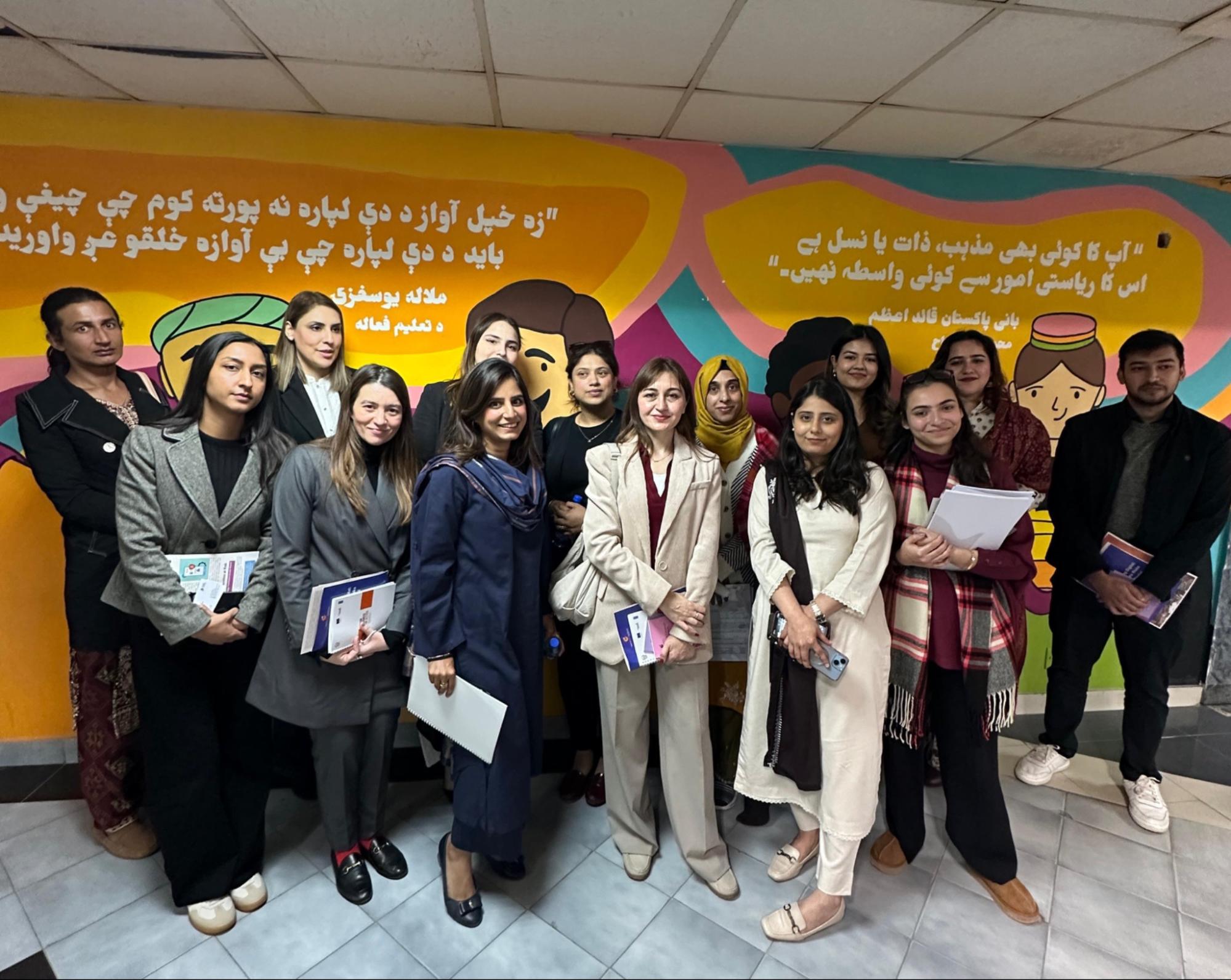
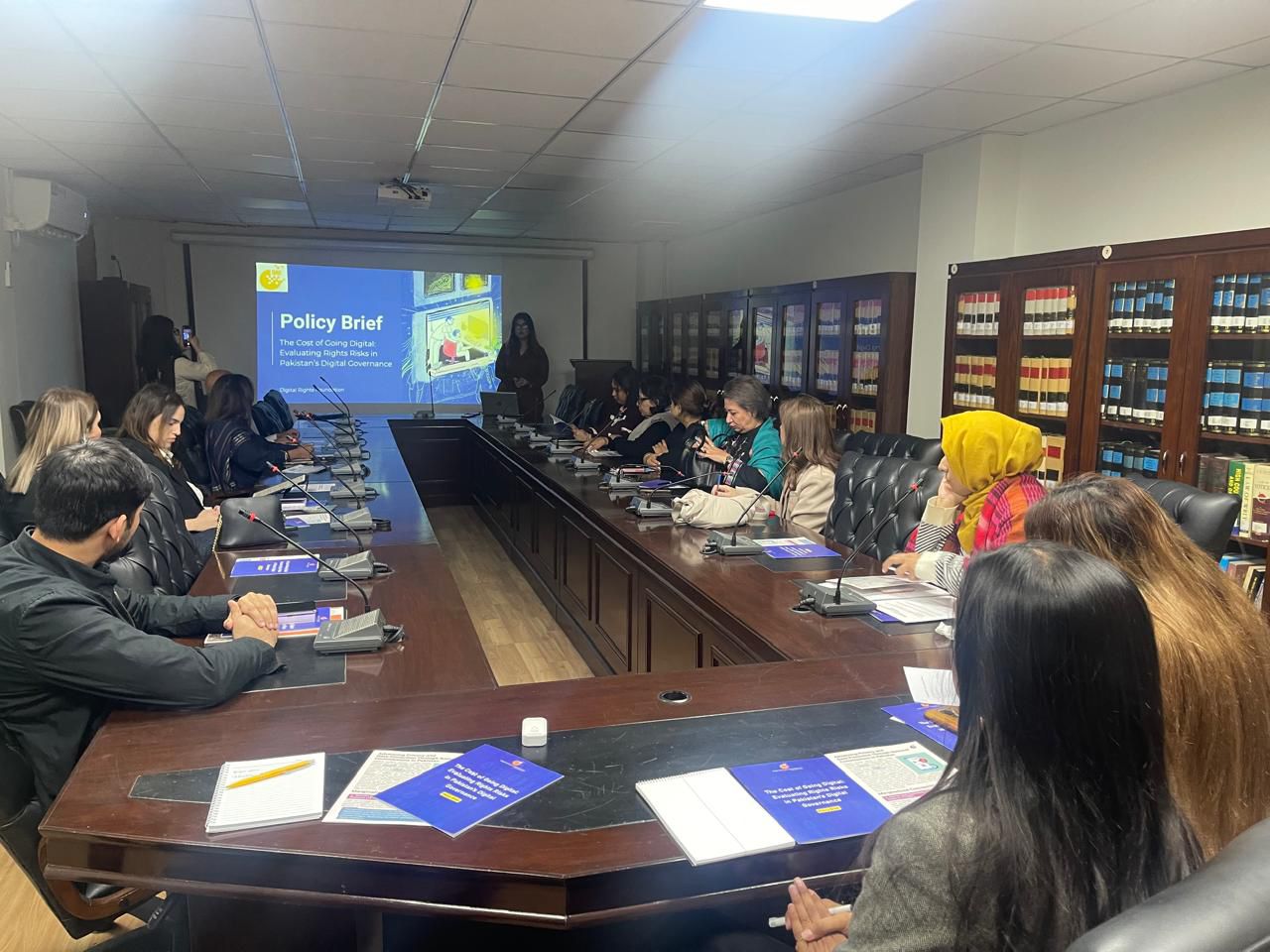
Islamabad, 18 December 2025: Digital Rights Foundation organized a multi-stakeholder roundtable on the policy brief titled “The Cost of Going Digital: Evaluating Rights Risks in Pakistan’s Digital Governance” at the National Commission for Human Rights (NCHR) Office, Islamabad. The roundtable was held as part of the project “Advancing Privacy and Data Protection Through National Commissions in Pakistan.”
The roundtable explored key findings from the policy brief prepared by the DRF team, including Ms. Minahil Farooq, Legal Associate, and Ms. Ayesha Babar, Program Coordinator. The discussion focused on the implications of the Digital Nation Act (DNA) 2025, particularly in the absence of a comprehensive data protection framework. The policy brief highlighted that the Act centralizes citizen data by linking digital identity systems, social protection programs, and economic records. While intended to streamline governance, this integration significantly expands the state’s capacity to collect, store, and process personal data, increasing risks to privacy and security.
The brief further noted that the DNA 2025 grants expansive powers to the Pakistan Digital Authority (PDA) to integrate and share citizen data across institutions without clear requirements for judicial authorization or independent oversight. Such unchecked centralization, the brief warned, could enable persistent monitoring practices under the guise of digital efficiency.
Drawing on international best practices, the policy brief highlighted the European Union’s General Data Protection Regulation (GDPR), which places individuals at the center of data governance. Article 5 limits data collection to what is strictly necessary for a defined purpose, while Article 35 mandates Data Protection Impact Assessments (DPIAs) for high-risk processing activities. The brief emphasized that frameworks such as the GDPR offer valuable lessons for protecting vulnerable communities within local contexts.
The brief also referenced South Africa’s Protection of Personal Information Act, which restricts the processing of sensitive data to narrowly defined conditions, including explicit consent, legal obligations, protection of vital interests, or processing by religious, philosophical, or cultural organizations for their own members (Sections 27–33). In addition, Estonia’s Personal Data Protection Act was highlighted for requiring that personal data be collected for lawful, specific purposes and retained only as long as necessary (Section 14). Estonia’s X-Road data exchange framework, which enables secure data sharing without relying on a centralized database, was presented as a model for reducing the risk of large-scale data misuse and breaches.
The presentation was followed by a robust discussion among stakeholders. Human rights defender Ms. Fauzia Yazsdani stressed the importance of incorporating the voices of minority and marginalized communities in policymaking and called for increased grassroots-level awareness initiatives. Ms. Sadia Bokhari from the Human Rights Commission of Pakistan highlighted the heightened vulnerability of marginalized communities to surveillance and social engineering. Mr. Jareeullah Shah from Media Matters for Democracy underscored the lack of transparency around data retention periods and emphasized the need to inform citizens how long their data is stored. Ms. Mehnaz Parveen from UN Women called for stronger platform accountability mechanisms, particularly to address gendered harms online.
Participants included representatives from national commissions such as the National Commission for Human Rights (NCHR), National Commission on the Rights of Child (NCRC), and the National Commission on the Status of Women (NCSW), as well as non-governmental human rights organizations including UN Women, the Human Rights Commission of Pakistan (HRCP), Dastak, Shaoor Foundation, and Rozan. Digital rights organizations, including Media Matters for Democracy, joined the discussion alongside human rights defenders, activists, and representatives from the transgender community.
The roundtable underscored the urgent need for inclusive, rights-based digital governance in Pakistan and reaffirmed the importance of sustained multi-stakeholder dialogue to ensure that digital transformation advances accountability, equity, and the protection of fundamental rights.