
Awards and Recognition Nighat Dad Receives the Eva Lassman “Take Action Against Hate” Award Digital Rights Foundation (DRF) is proud to share that Nighat Dad is among this year’s recipients of the Eva Lassman “Take Action Against Hate” Award, presented by Gonzaga University’s Center for the Study of Hate. The award recognizes one individual and …
Awards and Recognition
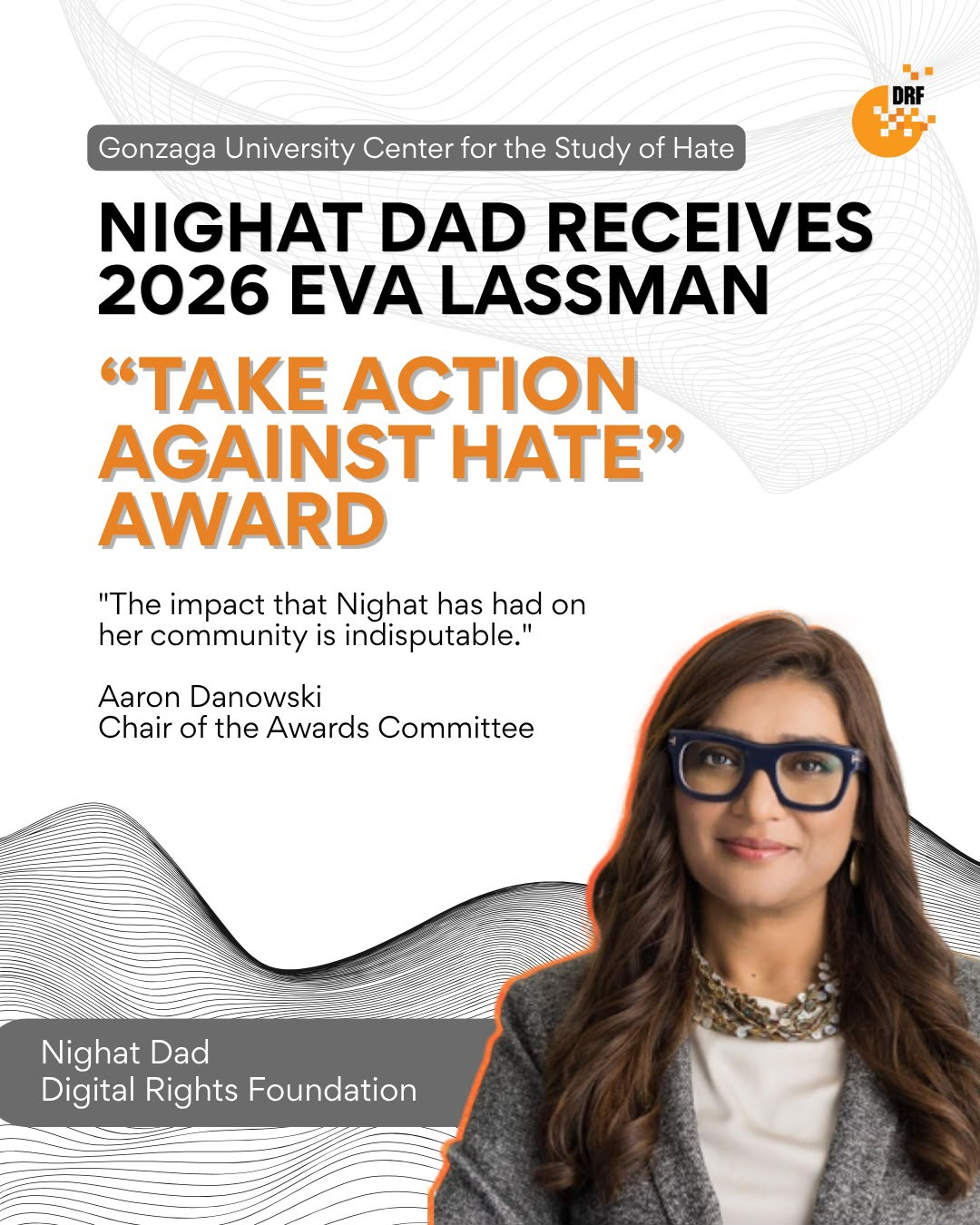 Nighat Dad Receives the Eva Lassman “Take Action Against Hate” Award
Digital Rights Foundation (DRF) is proud to share that Nighat Dad is among this year’s recipients of the Eva Lassman “Take Action Against Hate” Award, presented by Gonzaga University’s Center for the Study of Hate. The award recognizes one individual and one organization actively challenging hate and driving meaningful change in their communities.
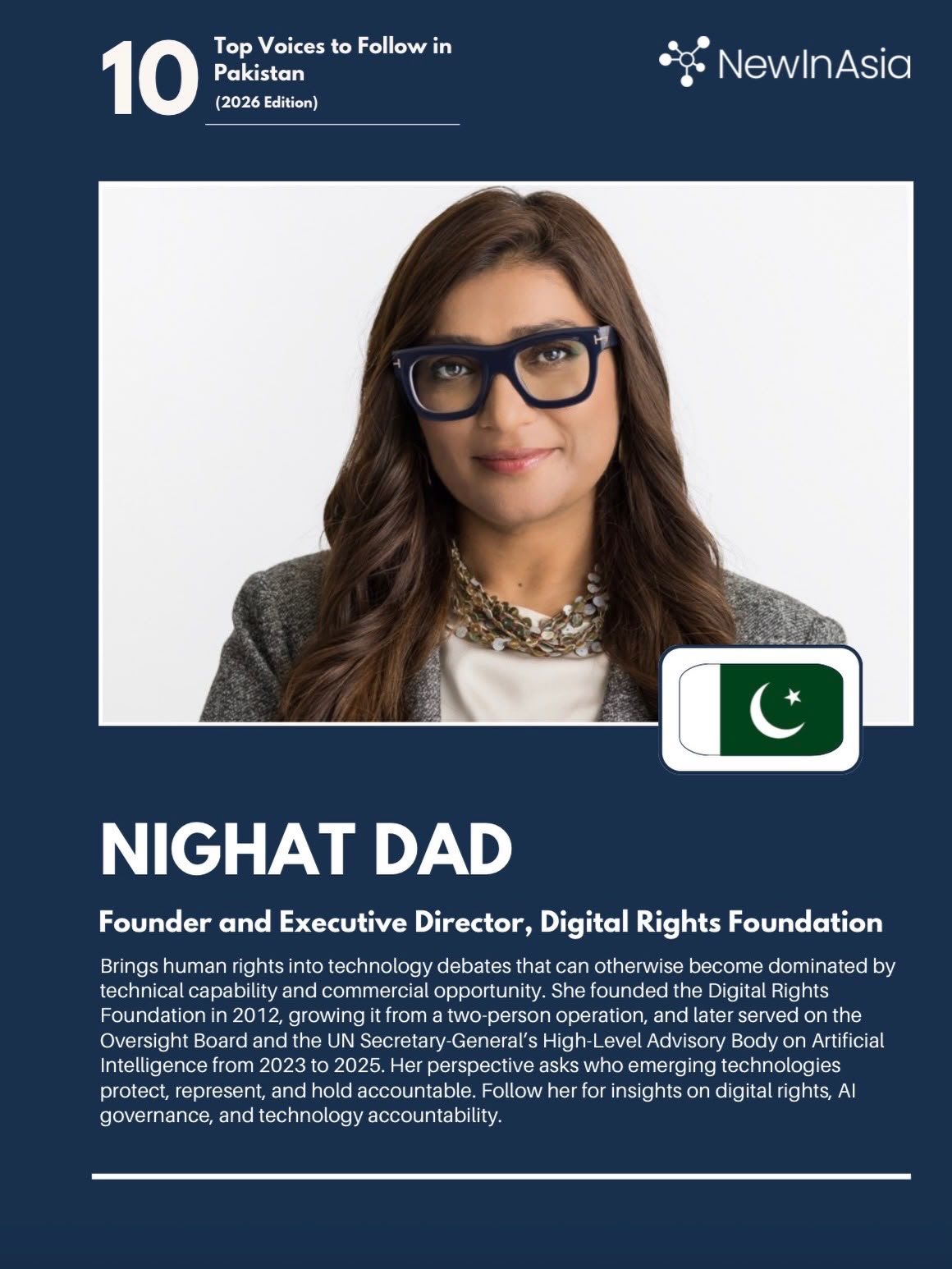
Nighat Dad Named Among South Asia’s Top 10 Voices
Nighat Dad has also been named among South Asia’s Top 10 Voices by New In Asia. The list recognizes individuals bringing firsthand experience from building, researching, leading and operating on the ground. From founding DRF to shaping conversations on law, AI governance and human rights, this recognition reflects years of work driving meaningful impact across the region.
Regional Engagements & Domestic Initiatives
Platform Accountability and AI Governance at the 81st UN General Assembly
At the 81st Session of the United Nations General Assembly, Nighat Dad raised questions about accountability for platforms’ most consequential decisions as AI reshapes how information spreads, contributing to dozens of conversations on children’s rights in AI development, non-consensual intimate imagery and information integrity.
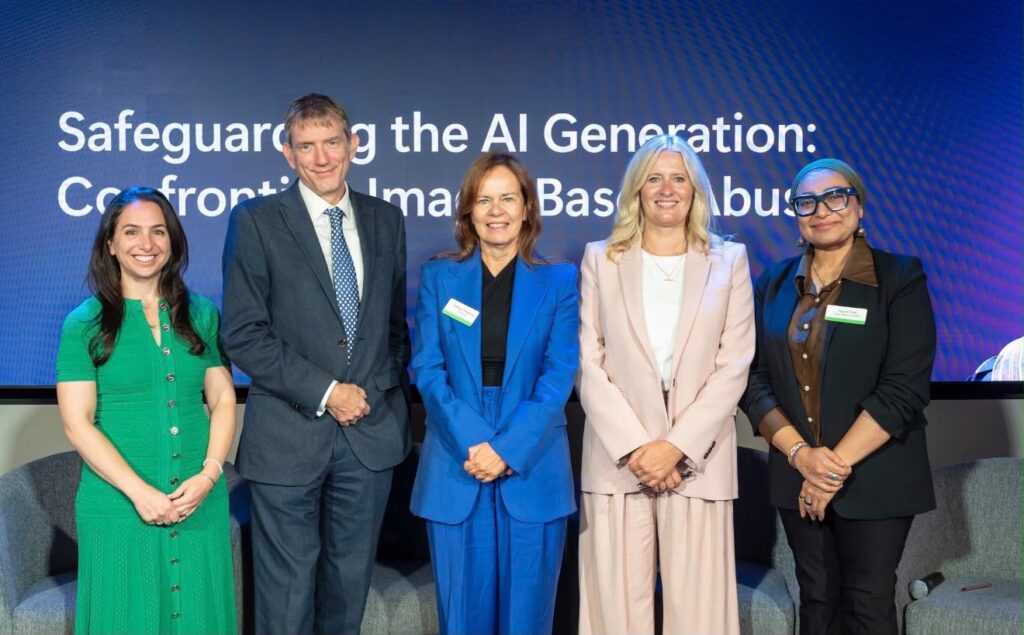
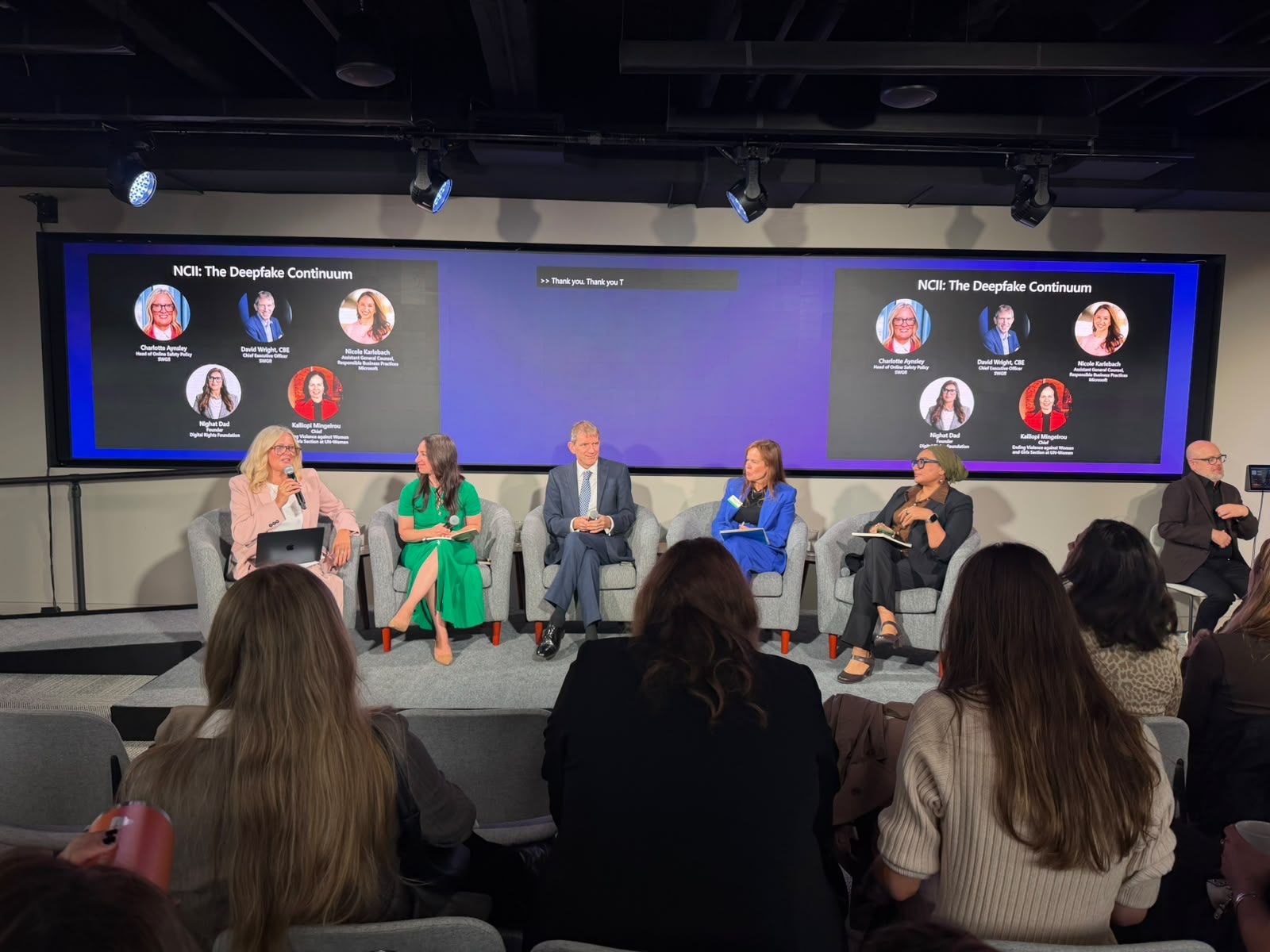
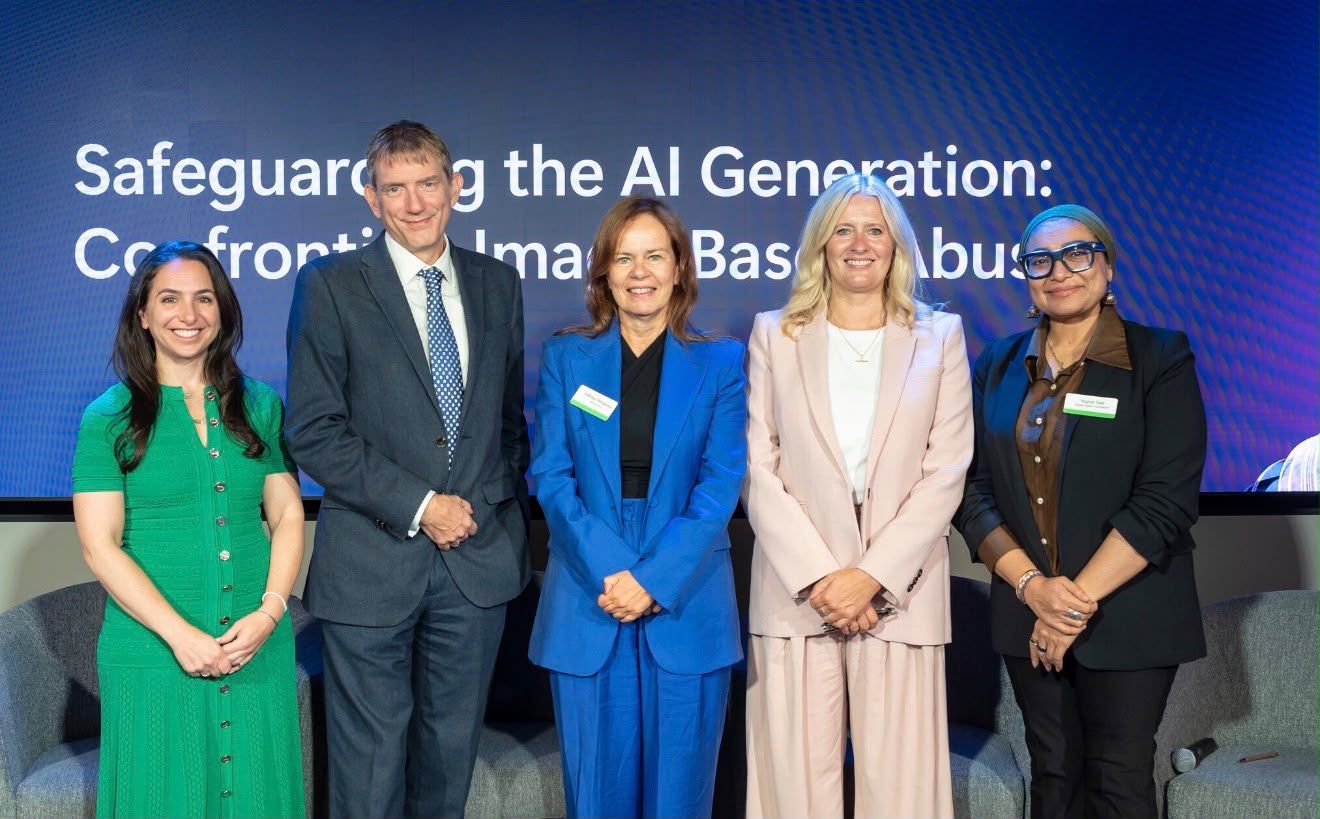 At the SWGfL and Microsoft event on the image-based abuse continuum, she urged companies to empower their Trust and Safety and Human Rights teams, whose work with communities has helped build trust over many years.
 She also closed her keynote at a side event on AI threats against women and girls, hosted by the German government, UN Women and the United Nations Population Fund, emphasizing that women’s rights organisations, helplines and digital rights groups across the global majority hold evidence governments and companies need and must be included in developing standards.
ICJ-DIHR Asia-Pacific Regional Dialogue: Roundtable and Panel Discussion on Draft Copenhagen Principles
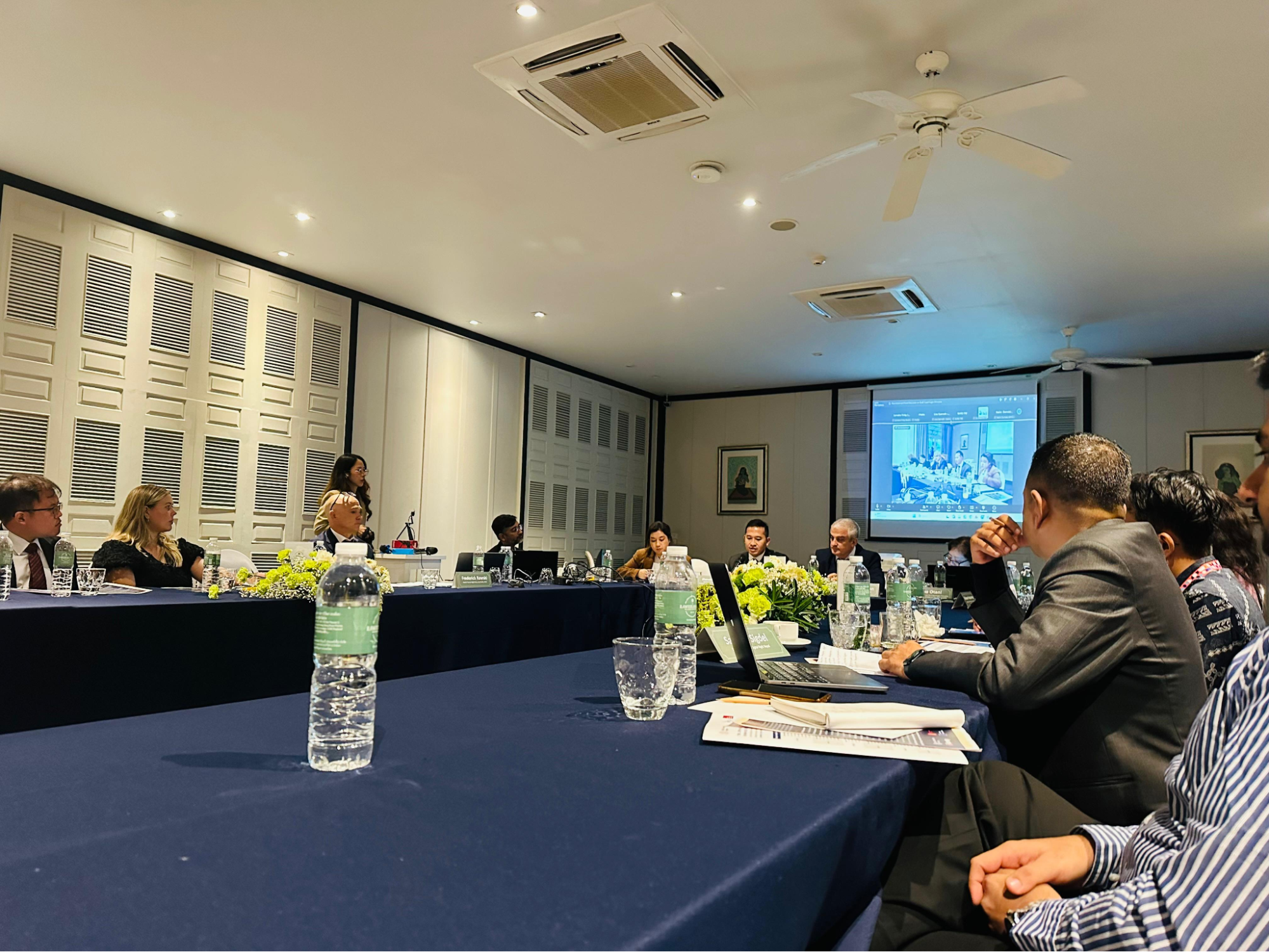
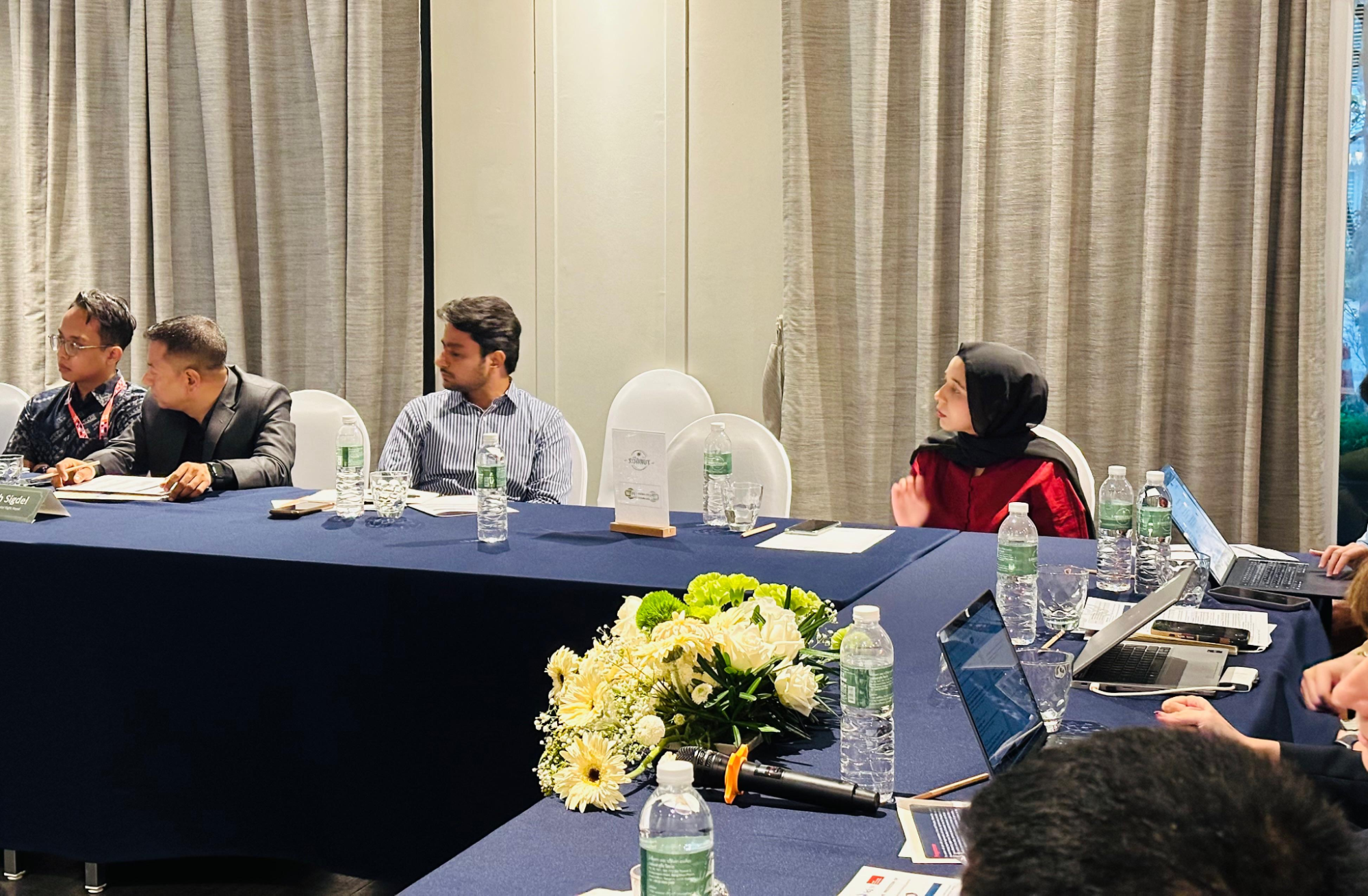
Legal Lead Aqsa Javed attended a roundtable convened in Bangkok by the International Commission of Jurists (ICJ) and the Danish Institute for Human Rights (DHIR), with support from the Digital Democracy Initiative, to preview the draft Copenhagen Principles and Guidance for the Protection of Human Rights in the Digital Sphere. During the roundtable, key regional challenges such as internet shutdowns, security threats, non-implementation of laws, data protection and localisation, content moderation, and accountability gaps were discussed. Participants also shared comments on specific articles of the draft and put forward recommendations for its implementation.
Coalition Building Workshop with Rural Media Outlets
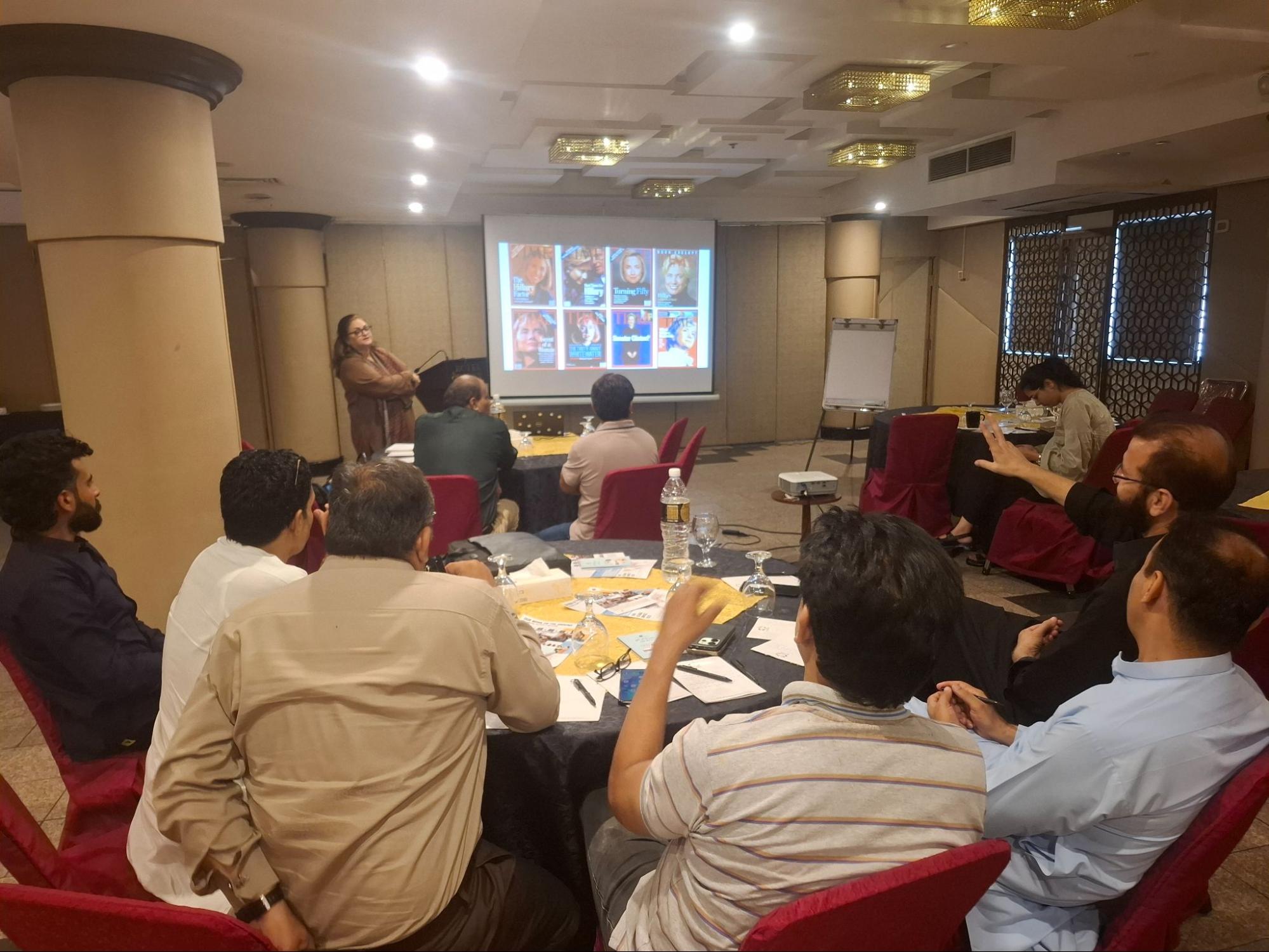 On 3 and 4 September, Program Manager Umaima held a two-day workshop in Lahore for rural media outlets, focusing on coalition building and effective networking during times of crisis. The workshop included a session on digital journalism, highlighting platforms and creative approaches media outlets can use to share their stories and expand their audience reach. Participants were also introduced to risk analysis from the perspectives of journalists, media organisations and networks. The session aimed to strengthen their understanding of potential risks and equip them with practical approaches to safely carry out their journalistic responsibilities.
Focus Group Discussion on Creating Safer and More Supportive Media Workplaces
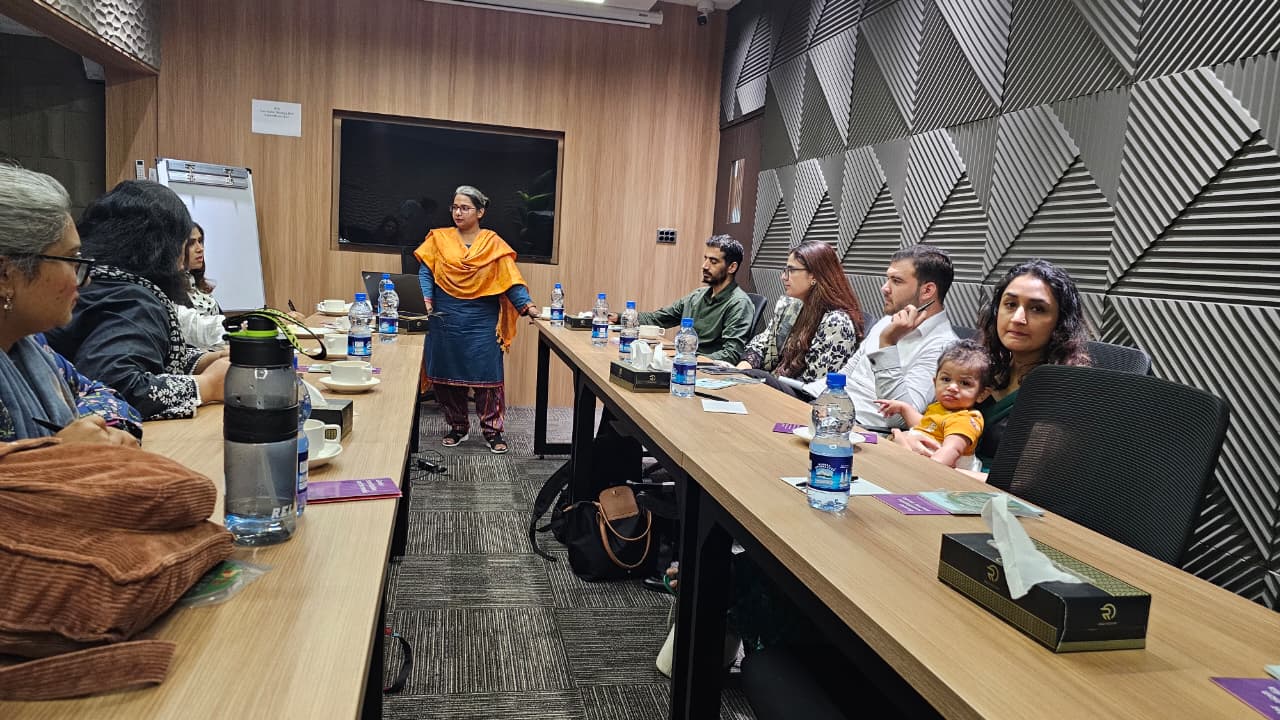 On 22 September, Program Manager Umaima held a focus group discussion in Islamabad, on the implementation of maternity and paternity leave, workplace harassment legislation, and daycare facility policies. The session brought together journalists from local, mainstream, and independent media outlets to share their experiences and perspectives. The discussion aimed to identify the barriers to effective implementation of these provisions, and to explore where opportunities for improvement lie.
Our Latest Research & Advocacy
DRF Statement: From Qandeel Baloch to Hina Javed: A Decade-Long Pattern of How The System Investigates and Prosecutes Femicide Cases
From Qandeel Baloch to Hina Javed, Pakistan’s femicide cases reveal a deeply entrenched structural pattern where weak investigations, mishandled evidence, delayed trials, and systemic failures continue to deny women justice. DRF calls for Hina Javed’s case to be investigated and tried with the utmost legal integrity, so that it does not become another case lost to a failed system. Read the full statement here.
DRF Statement: Rise In Cases Involving Minors Flags Urgent Online Safety Crisis
According to a recent UNICEF report, around 20 million internet-using children aged 12 to 17 across 21 countries experienced abuse or exploitation through digital technologies in a single year. Pakistan is part of this picture. Complaints to DRF’s Digital Security Helpline include children as young as six and nine, and the numbers keep rising. Behind every figure is a child, and behind every unreported case may be a child still waiting for help. Protecting them takes urgent, sustained action from all of us. Read our full statement on protecting children from online harm here.
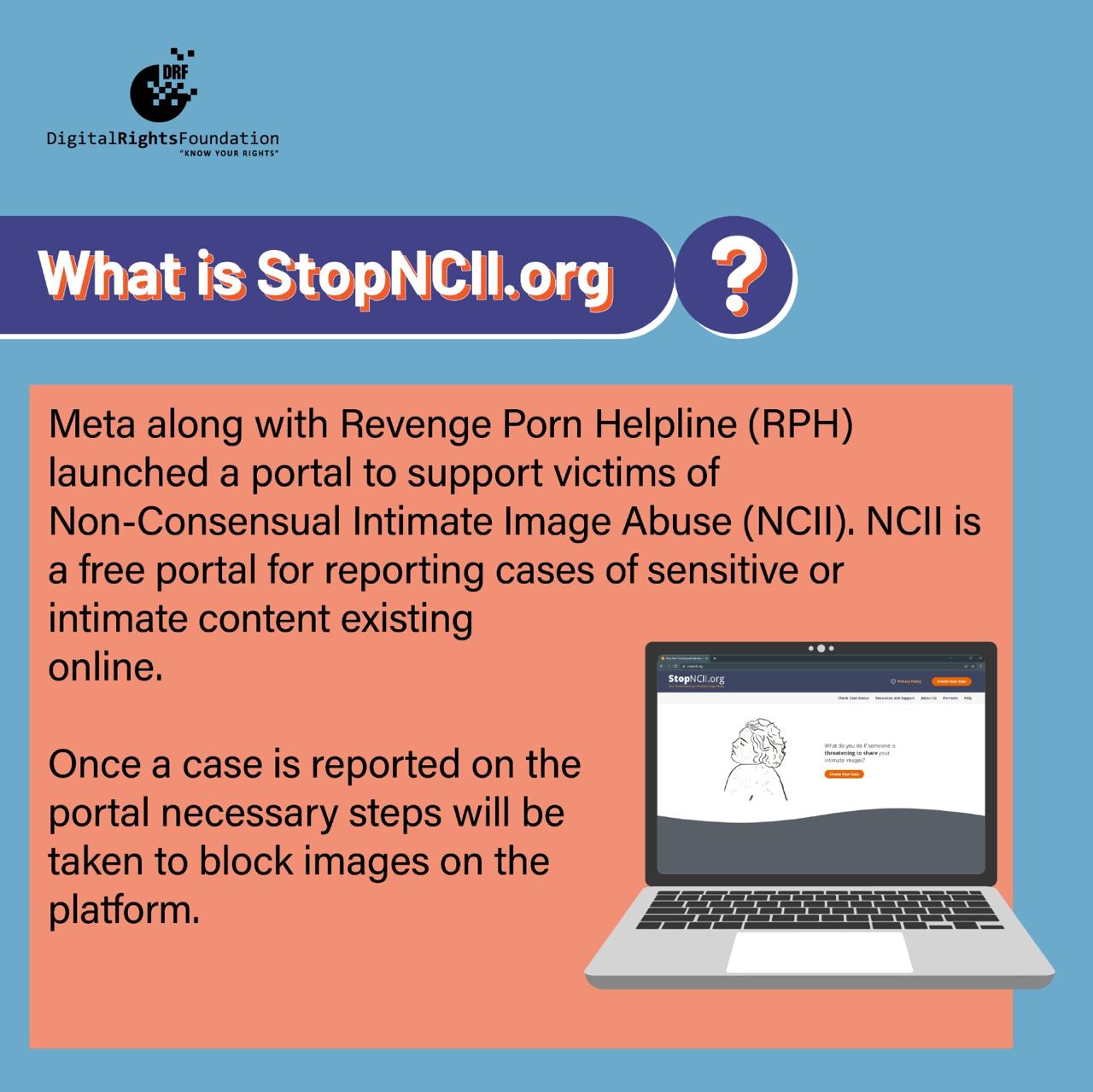
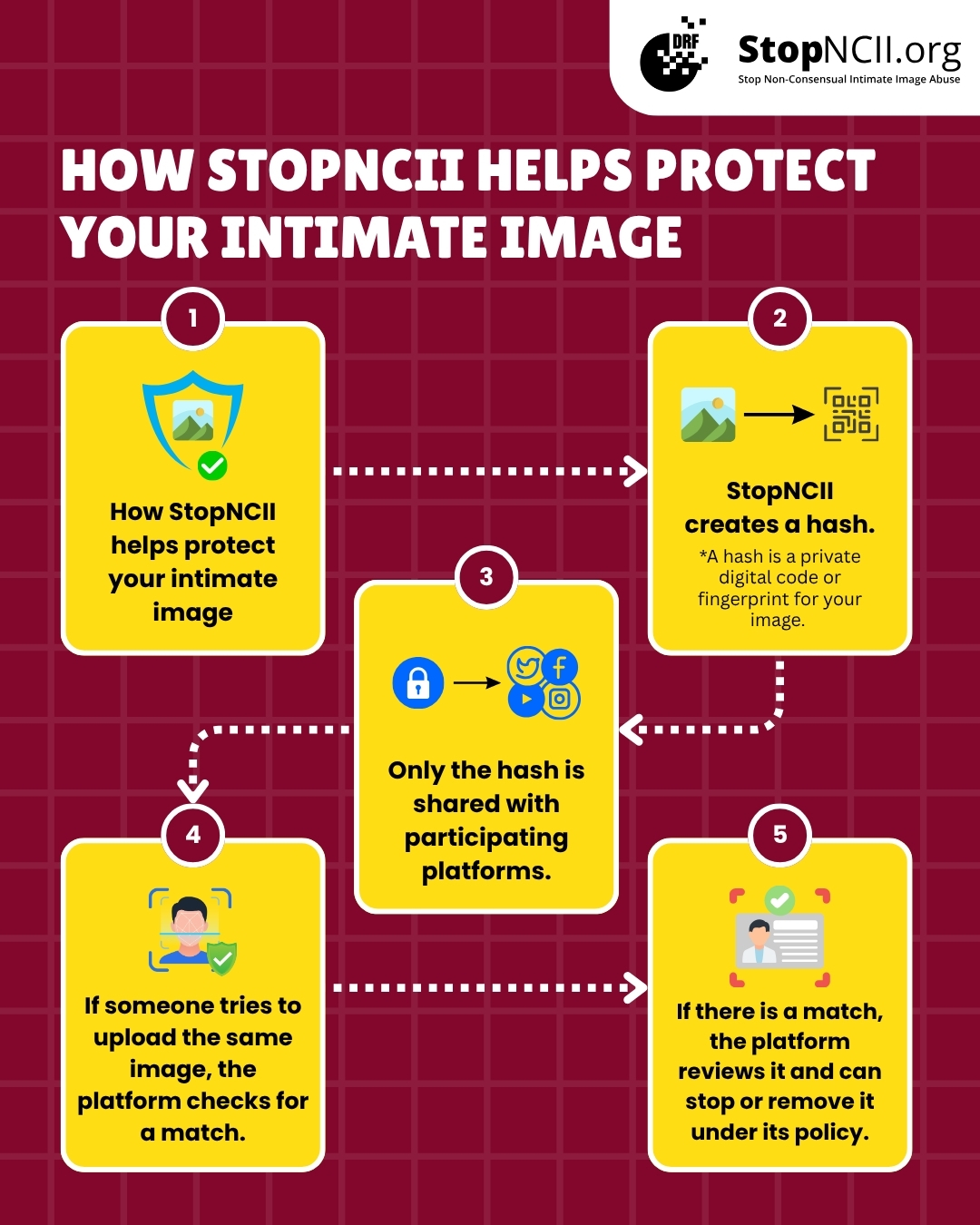
Explainer Series: Reporting Non-Consensual Intimate Images
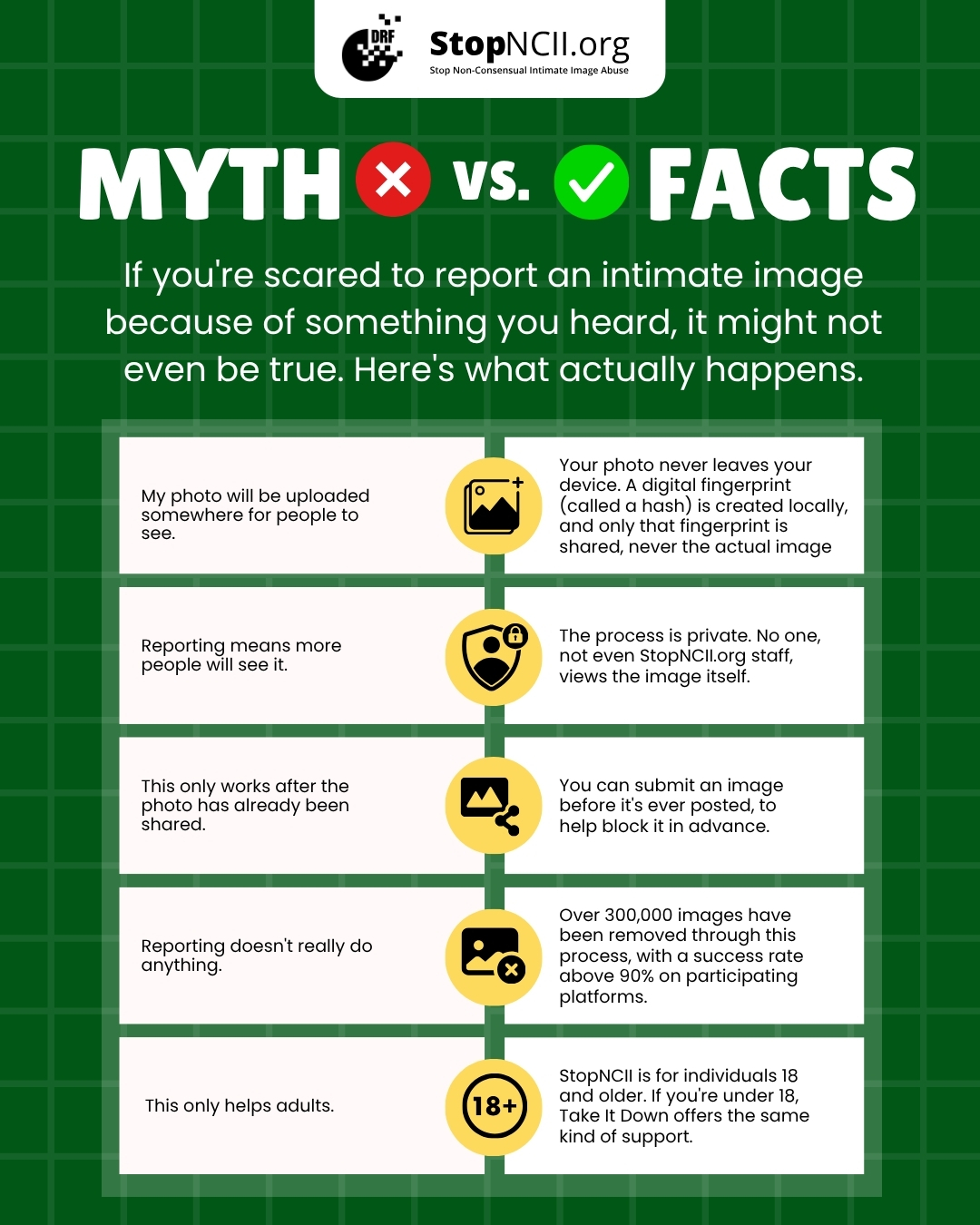
Fear often stands in the way of reporting non-consensual intimate images, whether to our Digital Security Helpline or to StopNCII.org, a service that helps prevent and remove such images from the internet. To build understanding of how reporting works and to counter misinformation, we produced an explainer series, across our social media channels, covering what a non-consensual intimate image is, how to report one, what happens after a report is made, and common myths and facts.
Press Coverage
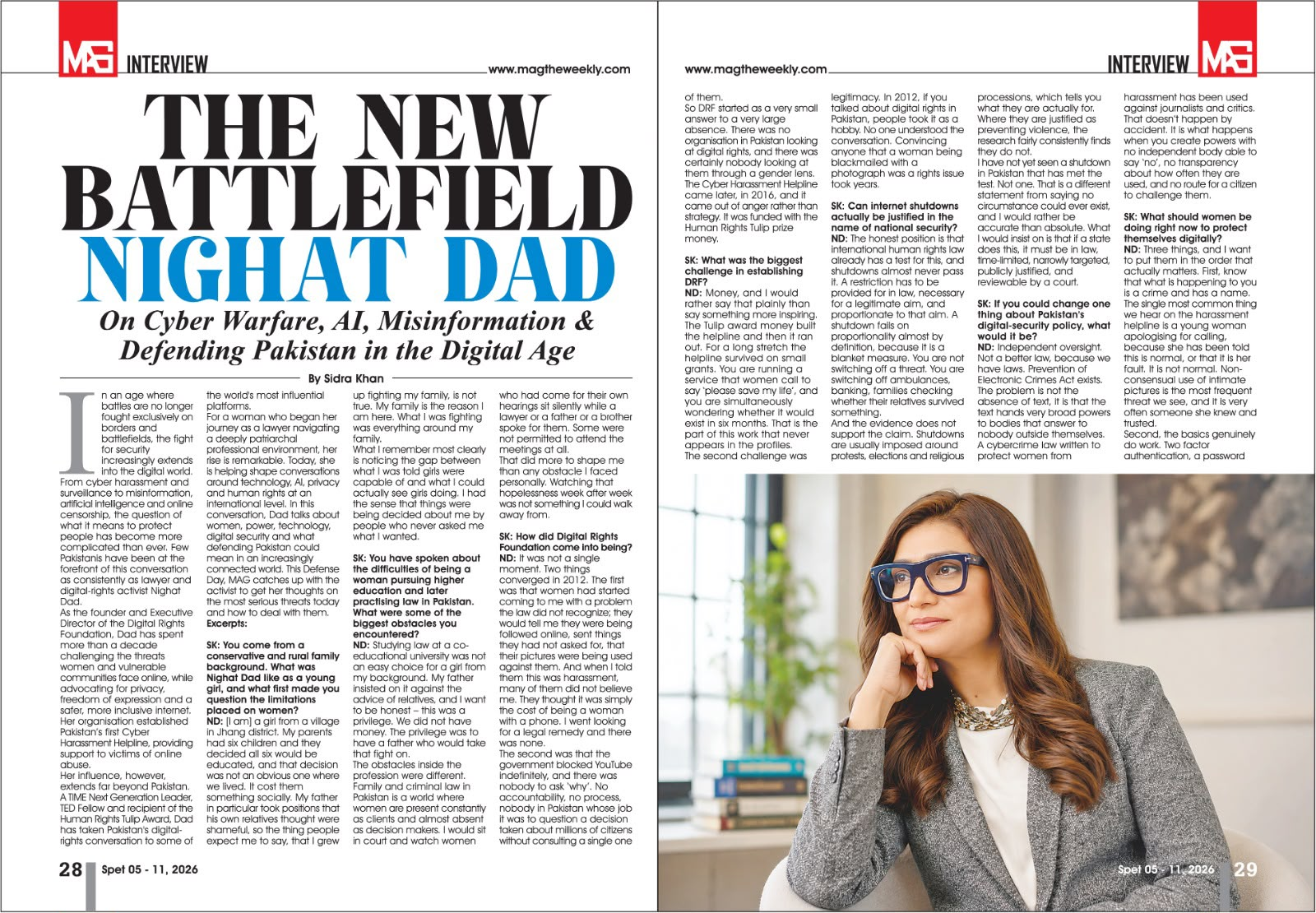
The New Battlefield: Protecting People in the Digital Age
In an interview with MAG The Weekly, Nighat Dad spoke about what it means to protect people in the digital age, from internet shutdowns to AI and misinformation. She noted that Pakistan’s challenge is not a lack of laws but a lack of independent oversight. On AI, she said synthetic intimate imagery has changed the risks women face, as a perpetrator now needs only a face, not a real photograph. Read the full interview here.
Nighat Dad on UNICEF’s Report on Online Child Sexual Abuse
UNICEF’s new report estimates that around 20 million children across 21 countries experience online sexual abuse or exploitation each year, with fewer than one percent of cases reported to the police, a social worker or a helpline. Speaking to Al Jazeera, Nighat Dad said children are not failing to report. They have recognised there is nowhere for them to turn. She pointed to a “design problem.” Read the full article here.
Who Is Accountable When Platforms Amplify Falsehoods?
A Dawn article examined how a shared name led to three unrelated women being falsely accused online, and the lasting harm that followed even after the claim was debunked. Citing Nighat Dad, the piece explores platform accountability: “Platforms are not neutral pipes. They decide what gets seen, how fast, and by whom.” Read the full article on Dawn.
Events
Digital Rights, Democracy and Human Rights
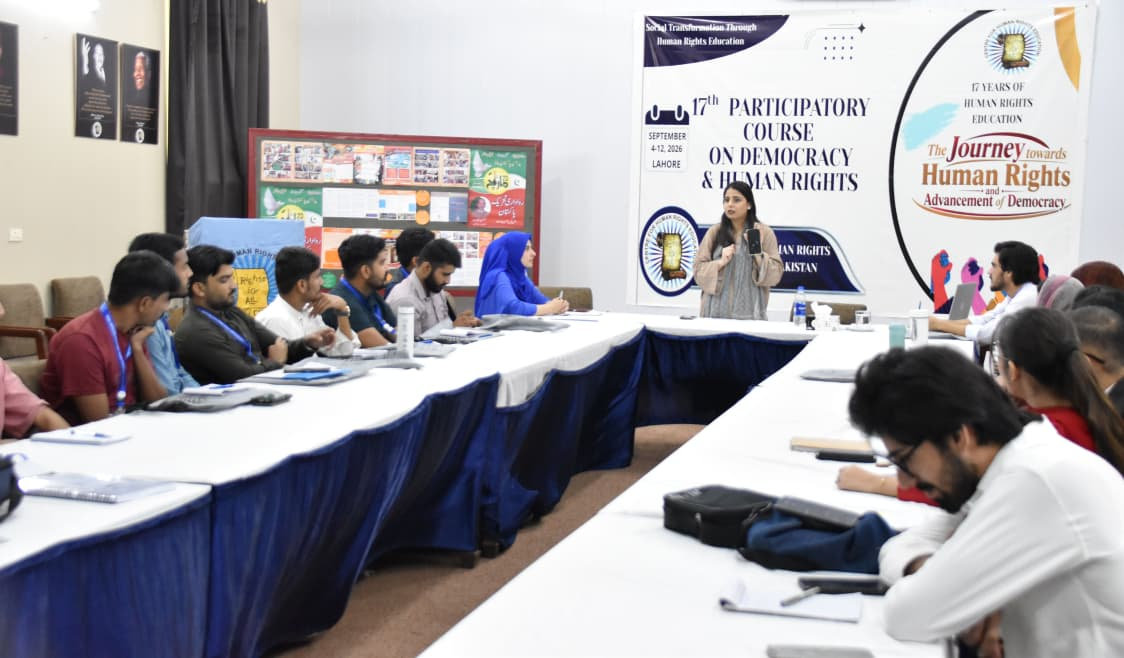 On 8 September, Senior Legal Associate Minahil Farooq spoke at a session on democracy and human rights organised by the Centre for Human Rights Education Pakistan. She highlighted the importance of digital rights today, with a focus on digital security, the right to privacy and freedom of expression.
Justice in a Changing World: Combating Cybercrime
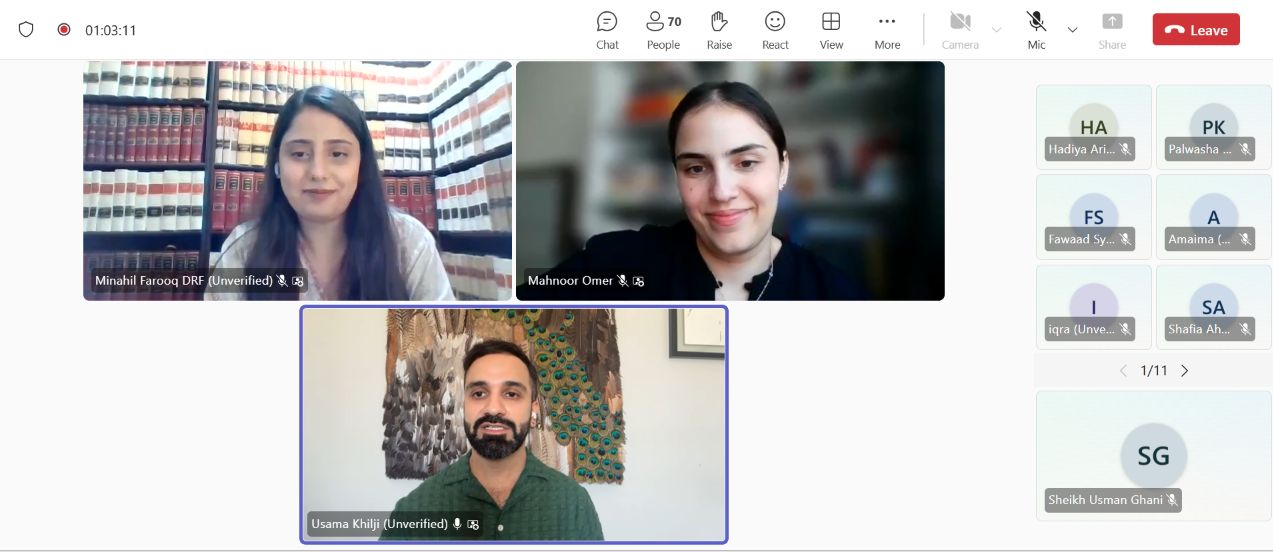
On 18 September, Senior Legal Associate Minahil Farooq spoke at the webinar “Justice in a Changing World: Combating Cybercrime,” held under The Asia Foundation’s Justice Sector Learning Fellowship. She discussed the evolving landscape of cybercrime in Pakistan and the pressing need for justice mechanisms to keep pace in protecting victims and upholding the rule of law.
Closed-door Meeting on Statistical Framework for Measuring Gender-Related Violence Against Women and Girls in Pakistan
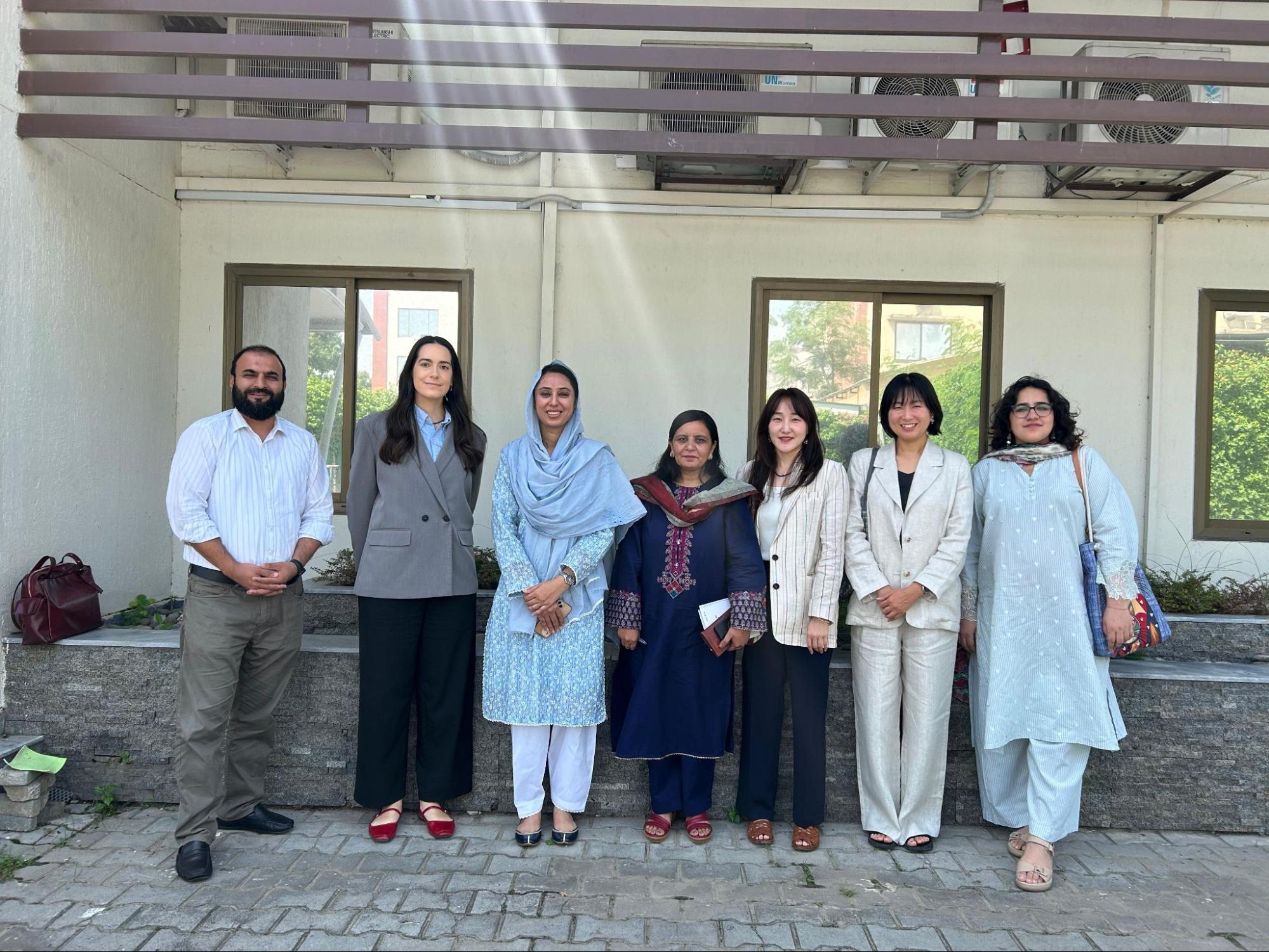 Programs Lead, Anam Baloch, participated in a closed-door meeting convened by UN Women Pakistan, the Ministry Of Human Rights, and United Nations Population Fund to pilot the Statistical Framework for Measuring Gender-Related Violence Against Women and Girls in Pakistan. The session focused on understanding and documenting civil society perspectives on the collection and dissemination of data related to gender-related violence.
CIVICUS: Consultation on Civic Spaces in Pakistan
On 23 September, Junior Legal Associate Fazila Tariq and Legal Lead Aqsa Javed attended a consultation on civic space in Pakistan, where civil society organisations were invited to share their perspectives on freedom of expression and freedom of assembly. Participants highlighted laws and emerging trends that affect constitutionally protected freedoms, including amendments to existing legal frameworks and monitoring practices that restrict the rights of journalists and civil society organisations.
Policy Dialogue on Climate Change, Sexual and Reproductive Health, and Gender-Based Violence
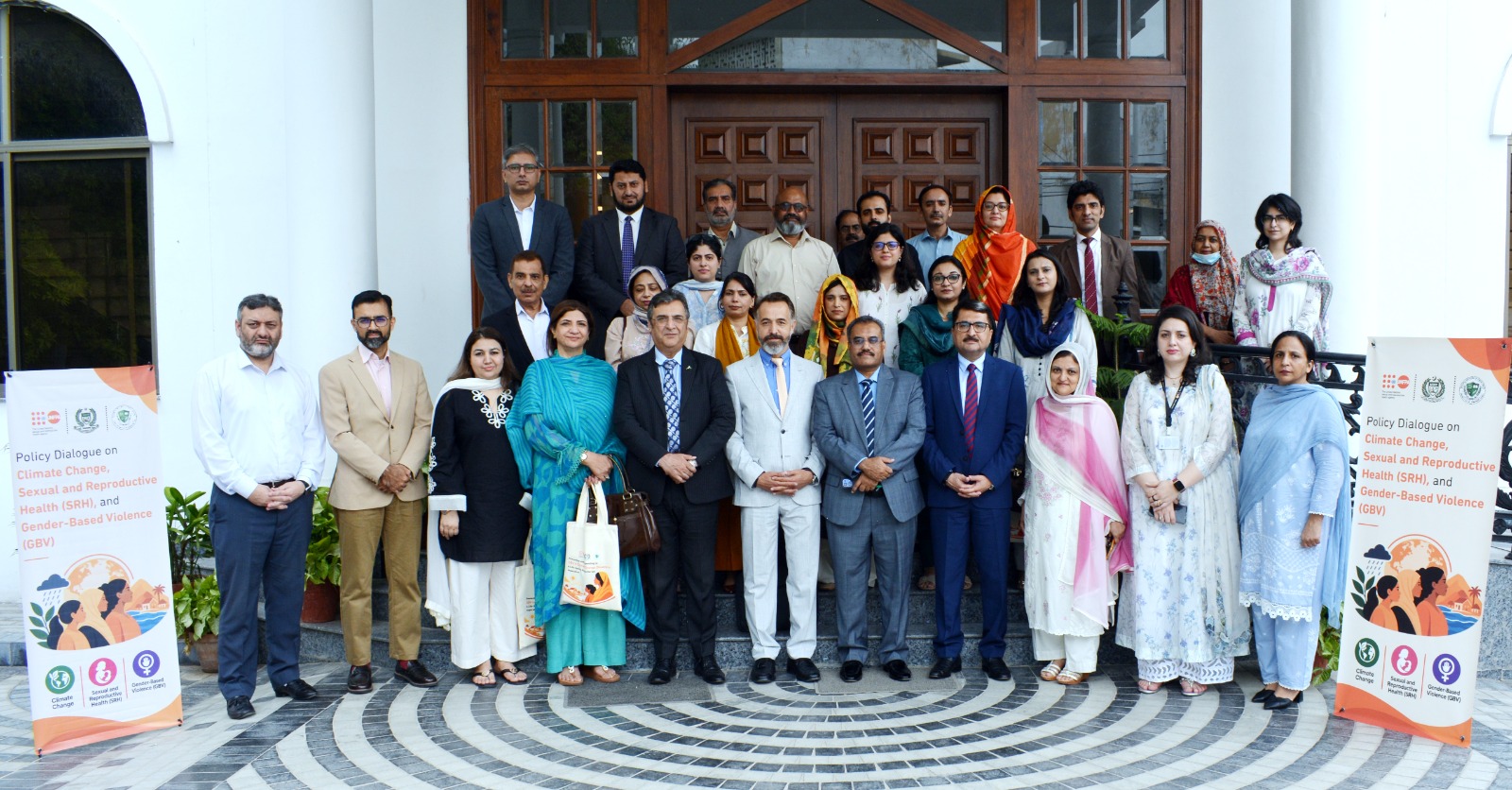 Project Manager Mahpara Asad attended a Policy Dialogue on Climate Change, Sexual and Reproductive Health, and Gender-Based Violence, organised by the United Nation Population Fund and the National Institute of Public Policy. The roundtable brought together senior policymakers, government organizations, CSOs, and academics to share key recommendations for improving access to SRH and GBV services in humanitarian crises.
Tech Trends
UK announces plans to require Apple and Google to block explicit images on children’s smartphones
On 8 September, the UK government announced plans to introduce legislation requiring technology giants Apple and Google to prevent children under 18 from taking, sharing or viewing explicit images on their smartphones. The proposed law would require devices to have default safety settings, with adults needing to verify their age to disable certain restrictions. The announcement followed unsuccessful negotiations with the companies over introducing stronger child protection measures voluntarily. While the government argues that these measures are necessary to combat online grooming and child sexual abuse, the proposal has raised concerns about user privacy, age verification and the potential implications of scanning private communications. The development reflects growing regulatory pressure on technology companies to implement safety-by-design protections for children.
Digital Security Tip of the Month
Your Apps Might Know More Than You Think
A flashlight app likely does not need your contacts. Nor does a simple game need your microphone. Over time, we tap “Allow” without much thought, and apps end up with access they do not actually need.
- Open Settings > Permissions to see which apps can access your camera, microphone, location, and contacts.
- If an app has access to something it clearly does not need, turn it off.
- For location, choose “Only while using the app” instead of “Always allow” whenever possible.
- Check your permissions again after major app updates. Settings can change.
A simple rule: if an app does not need something to work, it likely does not need access to it.
DRF Resources:
Digital Security Helpline
The Digital Security Helpline received 395 complaints in September 2026, of which 341 were related to cyber harassment.
If you’re encountering a problem online, you can reach out to our helpline at 0800-39393, email us at helpdesk@digitalrightsfoundation.pk or reach out to us on our social media accounts. We’re available for assistance from 9 AM to 5 PM (PKT), Monday to Friday.
Legal Support
DRF’s Legal team processed five (5) complaints in September 2026, including one complaint involving a minor and four involving women, primarily related to blackmail, sextortion and non-consensual sharing of intimate content.
If you’re in need of any legal support or advice, you can reach out to DRF’s Ab Aur Nahin portal.
IWF Portal
StopNCII.org