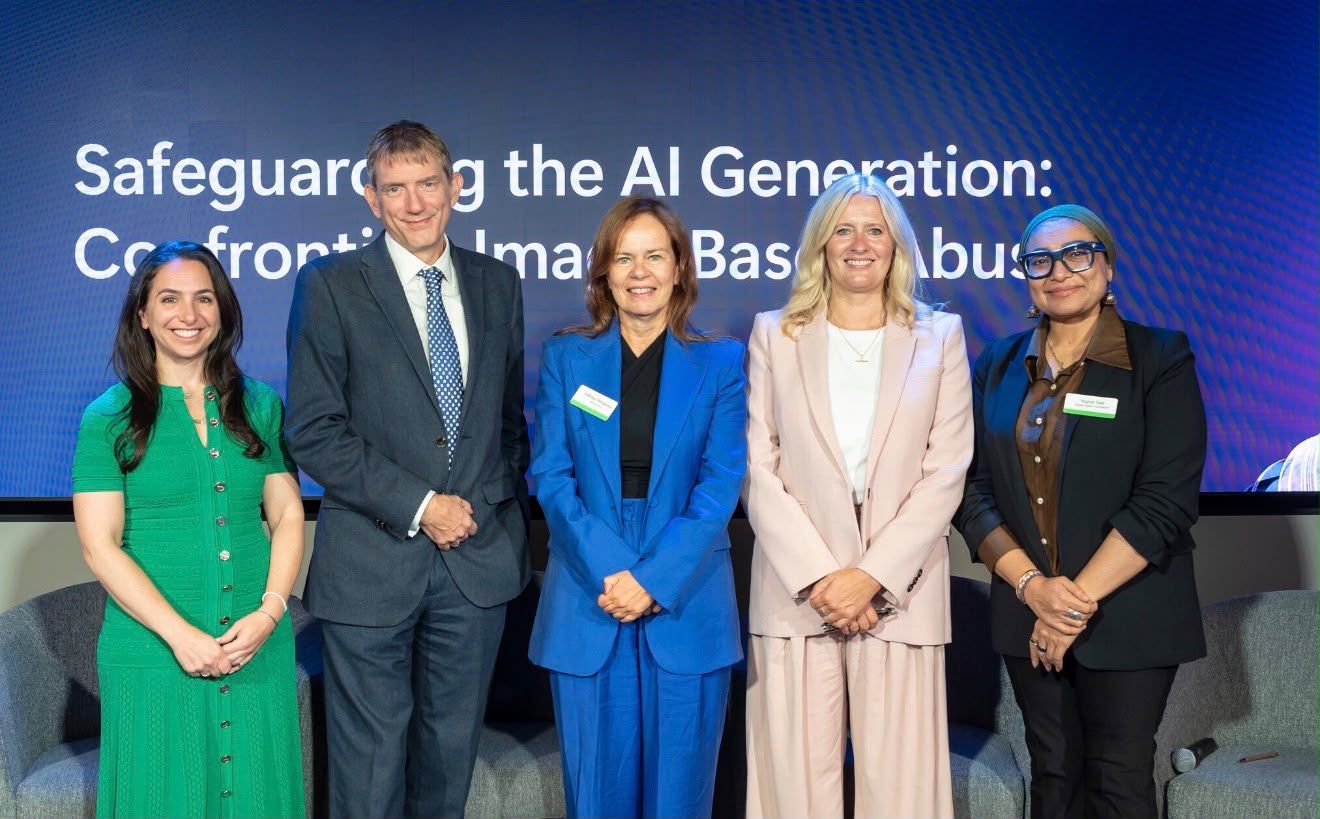

Regional Engagements & Domestic Initiatives Scheduled to be held from May 5 to May 8 in Zambia, RightsCon 2026 was cancelled abruptly, leaving participants and organisers in the lurch. As a member of DACSA, DRF released the following joint statement in solidarity. DACSA (Digital Accountability Collective South Asia) expresses deep concern over the cancellation of …
Regional Engagements & Domestic Initiatives
Scheduled to be held from May 5 to May 8 in Zambia, RightsCon 2026 was cancelled abruptly, leaving participants and organisers in the lurch. As a member of DACSA, DRF released the following joint statement in solidarity.
DACSA (Digital Accountability Collective South Asia) expresses deep concern over the cancellation of RightsCon, a critical global gathering that has long served as a vital platform for advancing digital rights, accountability, and collective resistance against growing authoritarianism in digital spaces. At a time when governments and corporations are increasingly deploying surveillance, censorship, internet shutdowns, AI-driven discrimination, and attacks on freedom of expression, spaces like RightsCon are more necessary than ever.
RightsCon has been one of the few truly inclusive forums where activists, journalists, technologists, academics, grassroots organizers, and marginalized communities from the Global Majority can come together to shape a people-centered digital future. Such gatherings create opportunities for solidarity, knowledge-sharing, and coordinated action to challenge digital repression and defend human dignity, democratic participation, privacy, and freedom of expression.
The ongoing global digital crisis is not merely technological; it is a crisis of human values, rights, and justice. In this context, the loss of a convening space like RightsCon weakens collective efforts to build accountable and rights-respecting digital ecosystems. DACSA reaffirms the urgent need for inclusive, accessible, and effective global platforms that center the voices and experiences of the Global Majority.
Cosigned by

Digital Rights Foundation

Hashtag Generation

Center for the Study of Organised Hate

Digital Rights Nepal

Digitally Right
Gendered Disinformation in Conflict: A Roundtable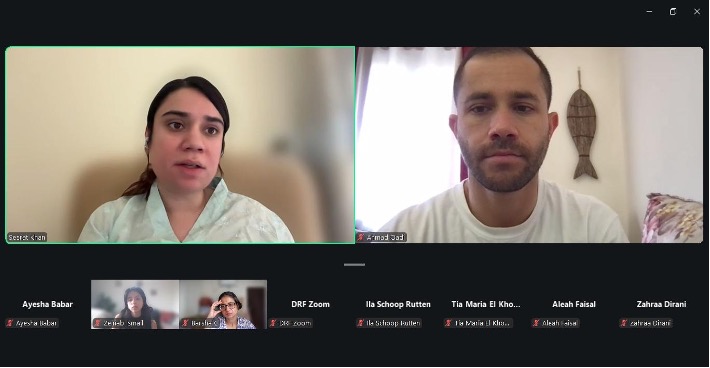
In collaboration with our partners, DRF hosted a roundtable discussion on how platforms amplify gendered disinformation during times of conflict, with panelists including Ahmad Qadi from 7amleh, Zeinab Ismail from SMEX, and DRF Research and Grants Lead Seerat Khan.
Our Latest Research & Advocacy
Digital Threats Against At-Risk Communities in Pakistan: A Report
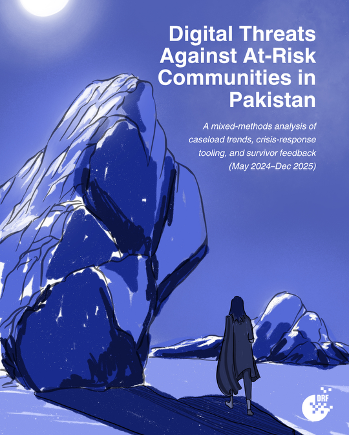
Between May 2024 and December 2025, DRF’s Digital Security Helpline handled 5,041 cases. Complainants overwhelmingly reported cases of hacking, image-based abuse, blackmail, sextortion, and online threats. Our latest report uses mixed-methods analysis and tracks these cases to present caseload trends, crisis-response tooling, and survivor feedback. Read the report here.
Our Statement on the Cancellation of RightsCon
DRF was deeply disappointed by the cancellation of RightsCon 2026, a decision that dealt a serious blow to the global digital rights community. Read our statement here.
Our Commitment to Free Press
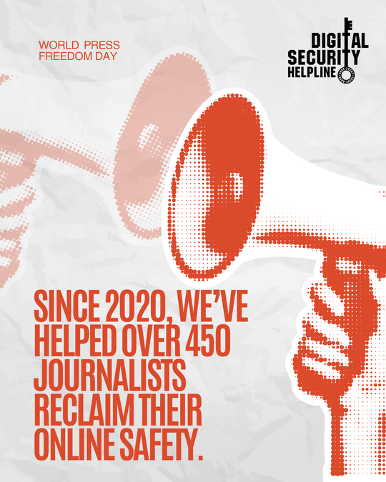
On World Press Freedom Day, we reaffirmed our support to journalists across the country operating under persistent digital threats, including account takeovers, targeted harassment, and doxxing. For nearly ten years, our Digital Security Helpline has offered immediate support, platform escalation, and follow-through until those targeted are safe: the Digital Security Helpline has assisted 476 journalists and media practitioners since 2020, most of them women.
Aik Aur Pakeezah: Insights From our Digital Security Helpline
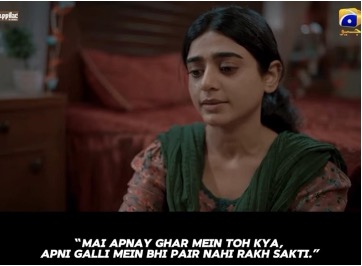
Based on their direct engagement with survivors of gender-based abuse, our Response Analysts explained how Geo TV’s Aik Aur Pakeezah captures trauma and survival. Watch here.
Press Coverage
Digital Rights Foundation Warns of Rising Digital Threats Against Vulnerable Communities: DAWN
“Harassment in Pakistan often relies on coded language, local slang, religious and political insinuations, and context-specific hate campaigns.” Read DAWN’s coverage of our latest report here.
Sana Yousaf, One Year On
On the one year anniversary of minor Sana Yousaf’s murder, Al Jazeera spoke with DRF Executive Director Nighat Dad on the deep-rooted cultural misogyny that normalises violence against women. Read the article here.
Events
Digital Security Training at the WISE Training Workshop
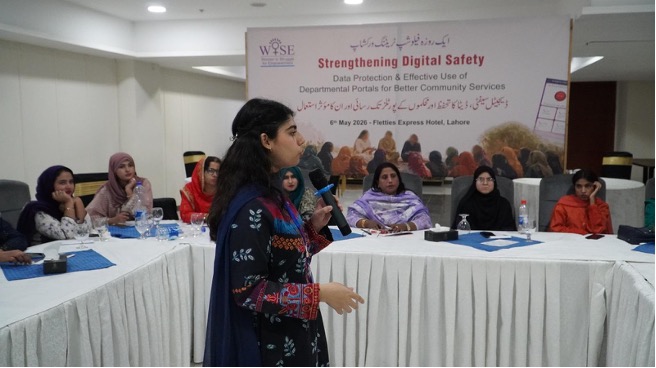 As part of its ongoing commitment to promoting safe and inclusive digital spaces, the Digital Rights Foundation (DRF) participated as a resource partner in a one-day training workshop organized by Women in Struggle for Empowerment (WISE) on “Strengthening Digital Safety, Data Protection & Effective Use of Government Portals for Better Community Services.”
The workshop held on 6th May in Lahore brought together 25–30 women participants, including students and community focal persons, to build awareness around digital inclusion and secure online engagement.
Our Digital Security Trainer, Mahnoor Amir delivered an interactive session on “Identifying Digital Threats & Safe Practices” and “Data Protection & Privacy.” The session focused on recognizing online risks, strengthening personal digital security practices, protecting sensitive information, and promoting safer participation in digital spaces.
The initiative reflects the shared commitment of WISE and DRF to empowering women and communities through digital literacy, privacy awareness, and safer access to online platforms and government services.
DRF at the Humanitarian Reporting Workshop for Journalists
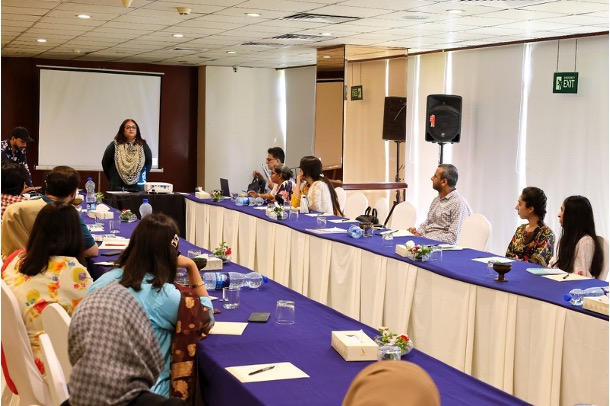 DRF representatives attended a workshop organized by the International Committee of the Red Cross and Media Unlimited to help journalists develop familiarity with the Geneva Conventions and their relevance in the current socio-political climate. The workshop also focused on enhancing participants’ skills in pitching stories and gender-sensitive reporting. A session on fact checking and OSINT was also delivered to dig deeper into stories for an in-depth analysis.
Tech Trends
Deezer launches tool to identify AI music across streaming platforms
In an ongoing effort to tackle the proliferation of AI-generated music content on streaming services, Deezer has introduced a tool that scans public playlists to identify and detect AI-generated songs. The tool is free to use and supports over 25 languages across 20 different music streaming services including Spotify, Apple Music and SoundCloud amongst others.
Tip of the Month
Don’t trust urgent voice notes blindly
AI-generated voice scams are becoming more convincing. If you receive a voice note from a friend, colleague, or family member asking for money, documents, passwords, or urgent help, pause before responding. Call them back on a number you already know, or ask a question only they would know. A familiar voice is no longer enough proof.
Check QR codes before you scan
QR codes can hide suspicious links, fake payment pages, or phishing forms. Before scanning a QR code on posters, parcels, public places, or social media, ask yourself: who posted it, where does it lead, and does the link look official? Avoid entering passwords, CNIC details, banking information, or OTPs through a QR link unless you are completely sure it is legitimate.
DRF Resources
Digital Security Helpline
The Digital Security Helpline received 237 complaints in May 2026, of which 215 were related to cyber harassment.
If you’re encountering a problem online, you can reach out to our helpline at 0800-39393, email us at helpdesk@digitalrightsfoundation.pk or reach out to us on our social media accounts. We’re available for assistance from 9 AM to 5 PM, Monday to Sunday.
Legal Support
DRF’s Legal team processed three (3) complaints in May 2026, two (2) involving women, with cases related to harassment and blackmailing.
If you’re in need of any legal support or advice, you can reach out to DRF’s Ab Aur Nahin portal.
IWF Portal
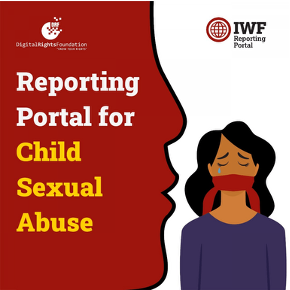
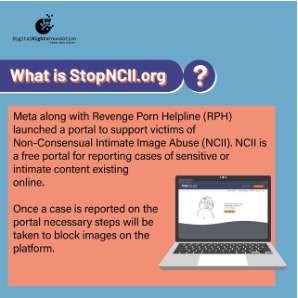
StopNCII.org
https://stopncii.org/