
Regional Engagements & Domestic Initiatives Emerging Technologies in Pakistan: Towards a People-Centred Policy Framework On January 14, we hosted a closed-door roundtable discussion in Islamabad to mark the launch of its position paper, “Emerging Technologies in Pakistan: Towards a People-Centred Policy Framework.” The session brought together policymakers, regulators, technologists, media professionals, legal experts, and civil …

Regional Engagements & Domestic Initiatives
Emerging Technologies in Pakistan: Towards a People-Centred Policy Framework
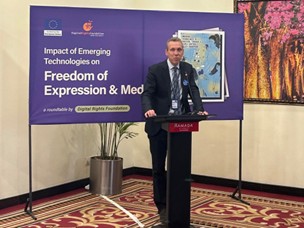
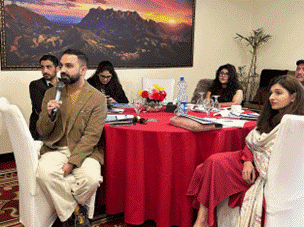
On January 14, we hosted a closed-door roundtable discussion in Islamabad to mark the launch of its position paper, “Emerging Technologies in Pakistan: Towards a People-Centred Policy Framework.” The session brought together policymakers, regulators, technologists, media professionals, legal experts, and civil society representatives to critically examine Pakistan’s evolving emerging technology landscape, particularly artificial intelligence, and to deliberate on governance gaps, regulatory challenges, and rights-respecting policy pathways grounded in Pakistan’s social and institutional context.
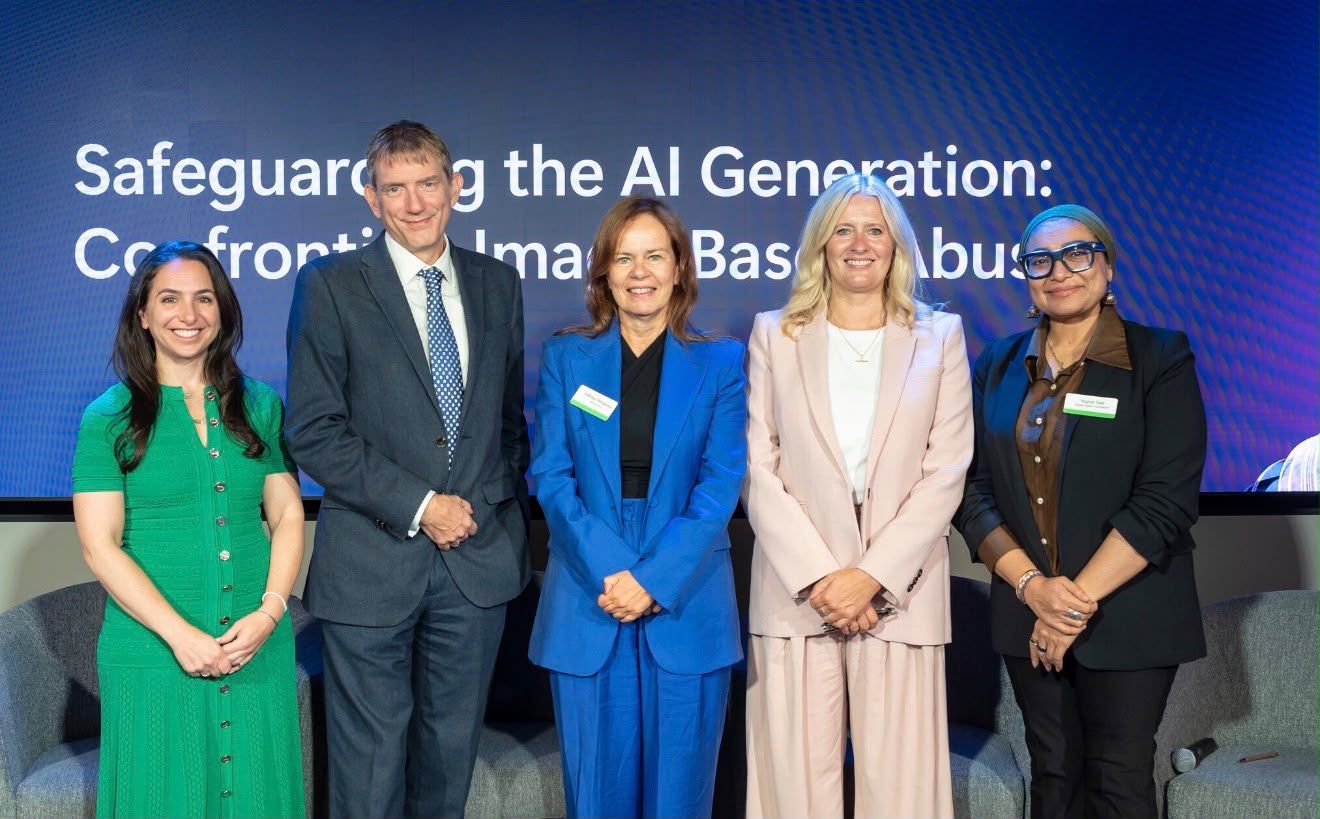
Nighat Dad at World Bank Panel on Ending Digital Violence Against Women and Girls
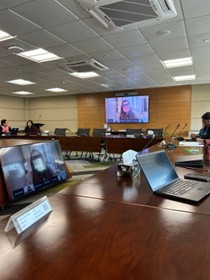 Nighat Dad, Founder and Executive Director of the Digital Rights Foundation, spoke at a panel discussion hosted by the World Bank Pakistan during the 16 Days of Activism to End Gender-based Violence. The session focused on the theme “End Digital Violence against All Women and Girls”, bringing together experts to examine the growing threat of technology facilitated gender-based violence (TFGBV) in Pakistan. Drawing on her work at DRF as well as her roles on the Meta Oversight Board and the UN Secretary-General’s High-Level Advisory Body on Artificial Intelligence, Nighat highlighted the urgent need for survivor-centred responses, stronger accountability from technology platforms, and rights-respecting governance frameworks to address online violence.
Women Peacebuilders Forum: Promoting Peaceful, Inclusive and Resilient Societies through the Women, Peace, and Security Agenda
Legal Lead Irum Shujah delivered a session titled “Women, Peace, and Cybersecurity: Harnessing AI for Peace” at the UN Women-organized Women Peacebuilders Forum in Bangkok, focusing on building peaceful, inclusive, and resilient societies through the Women, Peace, and Security Agenda. The session highlighted the impact of online crimes and their gendered nature. Irum discussed digital evidence in the South Asian context, shedding light on cultural and legal barriers hindering the implementation of the Women, Peace, and Security agenda.
Our Latest Research & Advocacy
Co-Design for TFGBV
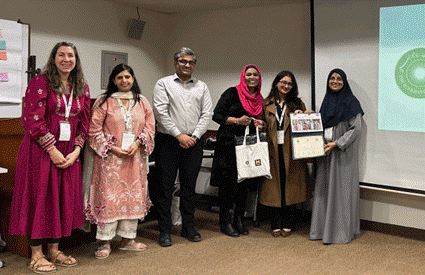 Communications Lead Vaneeza Jawad lent DRF’s expertise on technology facilitated gender-based violence at a co-design workshop focused on addressing and eradicating gendered harassment on Pakistani university campuses. Hosted by the University of Michigan at Aga Khan University in Karachi, the week-long workshop brought together civil society members, psychologists, and members of academia to both identify issues and find preliminary solutions.
Press Coverage
DRF on Digital Rights Awareness
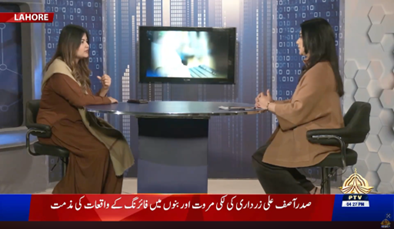 Ayesha Babar, Project Coordinator at Digital Rights Foundation, spoke on PTV News’ Smart World show on Digital Rights Awareness, explaining digital rights and security, and citizen protection. She highlighted practical safeguards against scams and hacks, including two-factor authentication, strong and unique passwords, privacy settings, device updates, and recognizing phishing attempts. Watch the full segment here.
AI, TFGBV And Policy Blind Spots
For the Friday Times, Fouzia Yazdani reports on our latest position paper on emerging technologies in Pakistan. “The report,” she writes, “reinforces the idea that AI systems are deeply embedded in political and economic structures, and are often designed to serve dominant interests, rendering artificial intelligence a modern registry of power.” Read more here.
Events
A Connected Punjab: World Bank Consultation
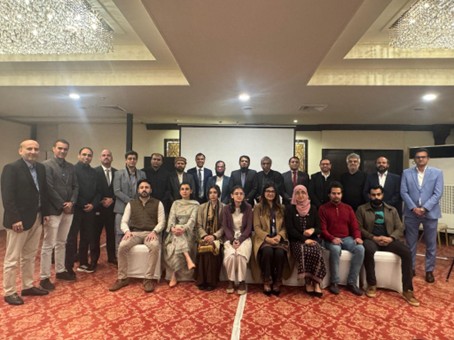 DRF Project Coordinator Ayesha Babar attended a consultation organized by the World Bank on Connected Punjab Program. The consultation focused on the environmental and social impact assessment of the proposed project, and strategies to mitigate those risks.
Countering Online Harm in the Contemporary Media Ecosystem: A Seminar at IIUI
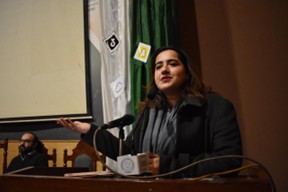 DRF Programs Lead Anam Baloch spoke at a seminar titled “Countering Online Harm in the Contemporary Media Ecosystem” organized as an academic contribution to the National Cybersecurity Awareness Week at IIUI.
 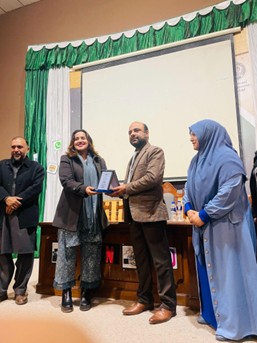 She spoke to the students about the growing challenges of online harm, such as disinformation, cyber harassment, hate speech, privacy violations, and algorithmic risks, within today’s rapidly evolving media environment.
H.E.R. Digital Shield: Healing, Empowerment, and Resilience Against Digital Violence
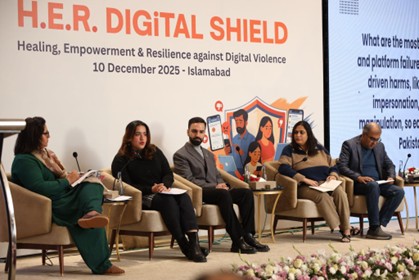
Programs Lead Anam Baloch represented the Digital Rights Foundation as a panelist at H.E.R. Digital Shield: Healing, Empowerment, and Resilience Against Digital Violence held in Islamabad. She spoke on the panel “Emerging Technologies, Digital Risks, and Safer Online Ecosystems,” contributing insights on how technologies such as deepfakes, online surveillance, and platform-level risks are increasingly used to facilitate digital violence, and the need for survivor-centred, rights-based responses to make online spaces safer for women, girls, and children.
German Ambassador’s 16 Days of Activism Gathering
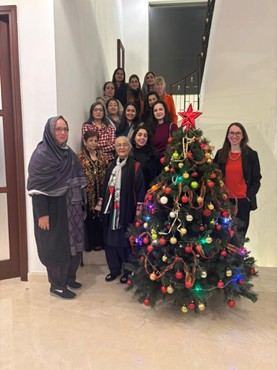
Programs Lead Anam Baloch attended a discussion and reception hosted by the German Ambassador to Pakistan, as part of the 16 Days of Activism against Gender-Based Violence. The gathering brought together civil society actors and stakeholders to reflect on gender-based violence and collective efforts to address it, underscoring the importance of international dialogue and solidarity in advancing women’s rights and safety.
Tech Trends
OpenClaw – AI virtual assistant goes viral
Formerly known as Moltbot, viral OpenClaw AI personal assistant is gaining attention for its ability of autonomously executing tasks like handling emails, trading stocks, as well as sending messages with minimal user input. Powered through a large language model (LLM) similar to the ones used by ChatGPT, OpenClaw claims to “actually do things,” and has been attracting thousands of downloads.
While users believe this is a major step in AI capability, experts say that it’s this exact autonomy that can raise serious concerns. By granting the AI assistant sweeping permissions, users run the risk of giving AI control over sensitive data. They stress the dangers of unchecked AI power, even as proponents celebrate its potential to transform everyday tasks.
Tip of the Month
Putting your laptop to sleep repeatedly may feel convenient, but it prevents important system and security updates from installing properly. Over time, this can slow down your computer and leave it running with outdated protections.
Plan to shut down or restart your computer regularly, ideally around natural breaks in your schedule, such as at the end of the workday or before the weekend. This gives your device the chance to apply updates, clear temporary processes, and improve overall performance.
This can be simple habit to build:
- Set a reminder on your phone once or twice a week
- Save your work and close all programs
- Click Restart or Shut Down, then step away
Just like you need rest to reset, your computer does too. A proper shutdown keeps it secure, fast, and healthy.
DRF Resources
Digital Security Helpline
The Digital Security Helpline received 304 complaints in January 2026, of which 275 were related to cyber harassment.
If you’re encountering a problem online, you can reach out to our helpline at 0800-39393, email us at helpdesk@digitalrightsfoundation.pk or reach out to us on our social media accounts. We’re available for assistance from 9 AM to 5 PM, Monday to Sunday.
Legal Support
DRF’s Legal Team processed five (5) complaints in January 2026, all of which involved women and were related to cyberbullying, blackmail, and defamation.
If you’re in need of any legal support or advice, you can reach out to DRF’s Ab Aur Nahin portal.
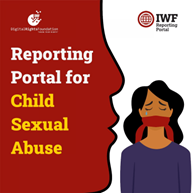
IWF Portal
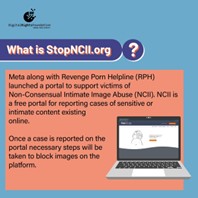
StopNCII.org