Digital Security Helpline 2025: Navigating Evolving Threats, Strengthening Digital Resilience
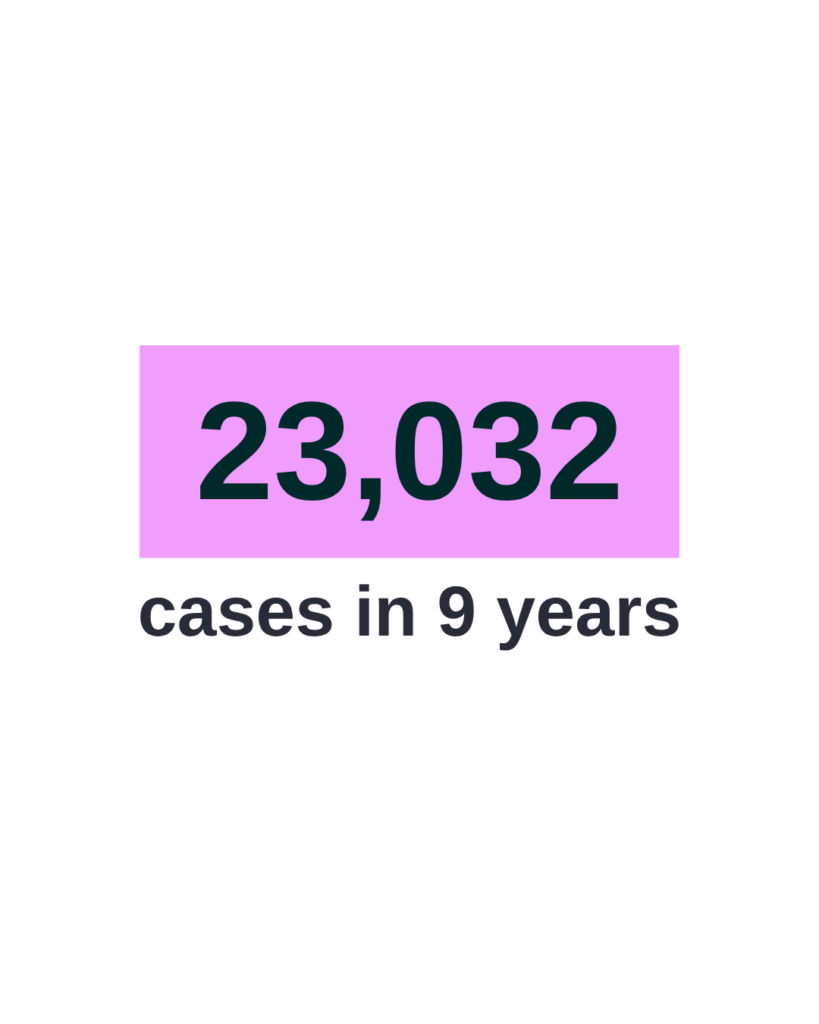
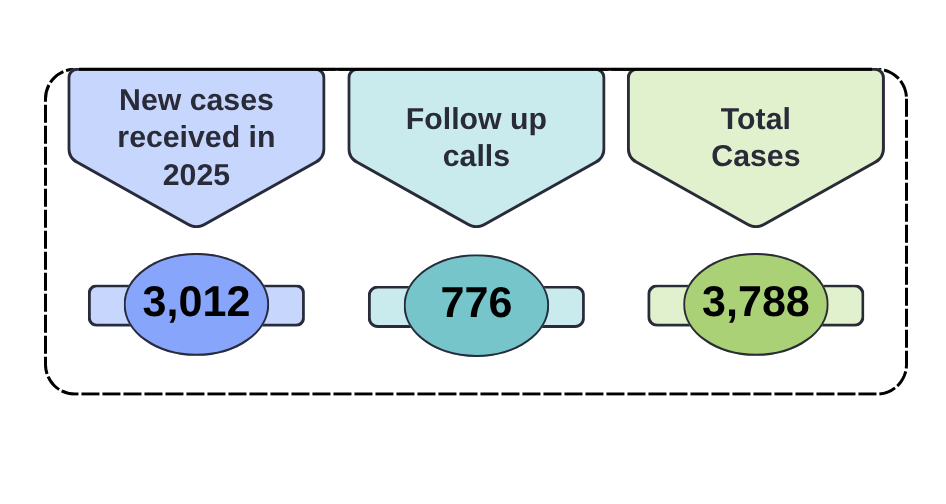
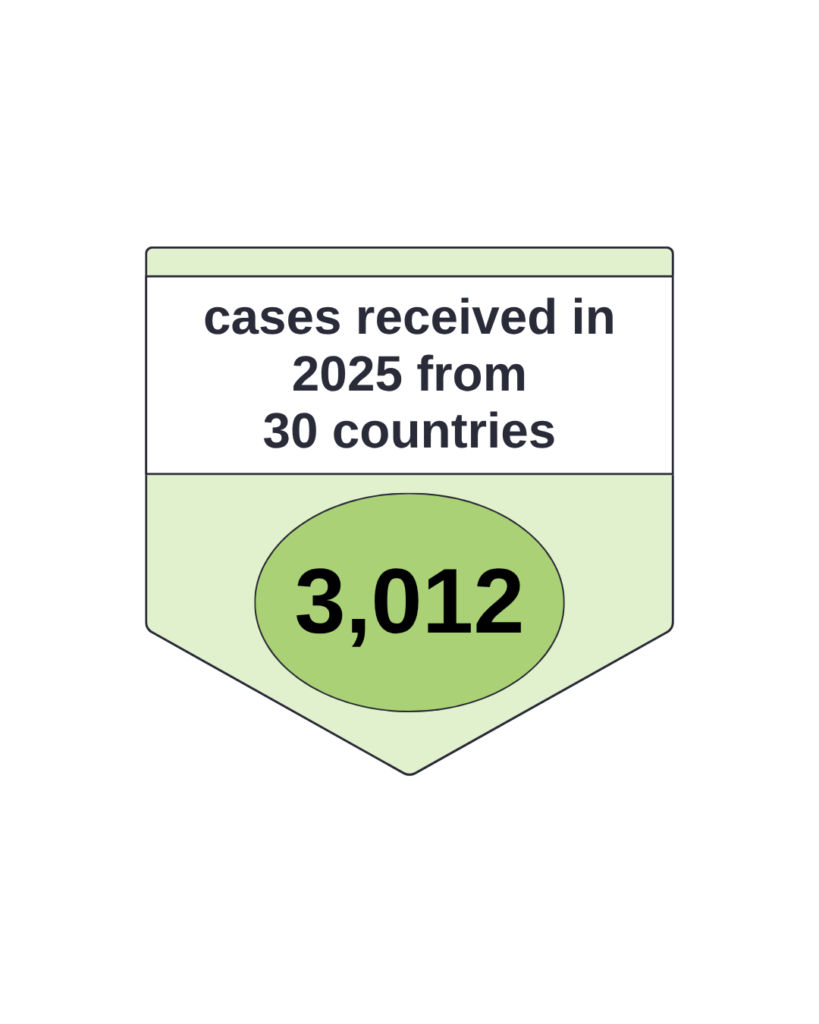
As digital ecosystems become more complex and deeply embedded in everyday life, so too do the risks faced by those navigating them. The Digital Security Helpline continues to serve as a critical support system for individuals confronting technology-facilitated gender-based violence (TFGBV), privacy breaches, and emerging forms of online harm. Now in its 10th year of operations, the Helpline stands at the intersection of direct service, research, and advocacy, responding to immediate threats while shaping safer digital environments for the future. Over the past year, the Helpline has supported a growing and increasingly diverse group of users, including journalists, human rights defenders, women, trans persons, and other marginalized communities. Our work extends beyond incident response: we engage with tech platforms, inform policy conversations, and contribute to global efforts to address online harms. In many cases, our interventions are not only about restoring digital access, but about safeguarding livelihoods, reputations, and physical safety. In 2025, the Helpline recorded 3012 incident reports, underscoring both the scale and the evolving nature of digital threats in Pakistan and beyond. From coordinated harassment campaigns and non-consensual intimate image abuse (NCII), to AI-generated manipulation, impersonation, and gendered disinformation, the report captures how harms are becoming more networked, targeted, and difficult to mitigate. The Digital Security Helpline 2025 Report provides a comprehensive analysis of these trends, drawing from case data, frontline experiences, and stakeholder engagement to offer a nuanced understanding of the current threat landscape. What’s inside the 2025 report?
Detailed analysis of incident trends and emerging forms of TFGBV
Case studies illustrating the complexity and impact of digital harm
Insights into platform engagement and escalation processes
Reflections on policy, legal frameworks, and enforcement gaps
Recommendations for tech platforms, policymakers, and civil society