
DRF Executive Director, Nighat Dad, Named Among Chief in AI’s Global 100 Leaders of 2026 In August, Digital Rights Foundation (DRF) celebrated the recognition of its Executive Director, Nighat Dad, who was named to Chief in AI’s Global 100 list for 2026. As the only Pakistani on the list, she joined 99 other leading executives …

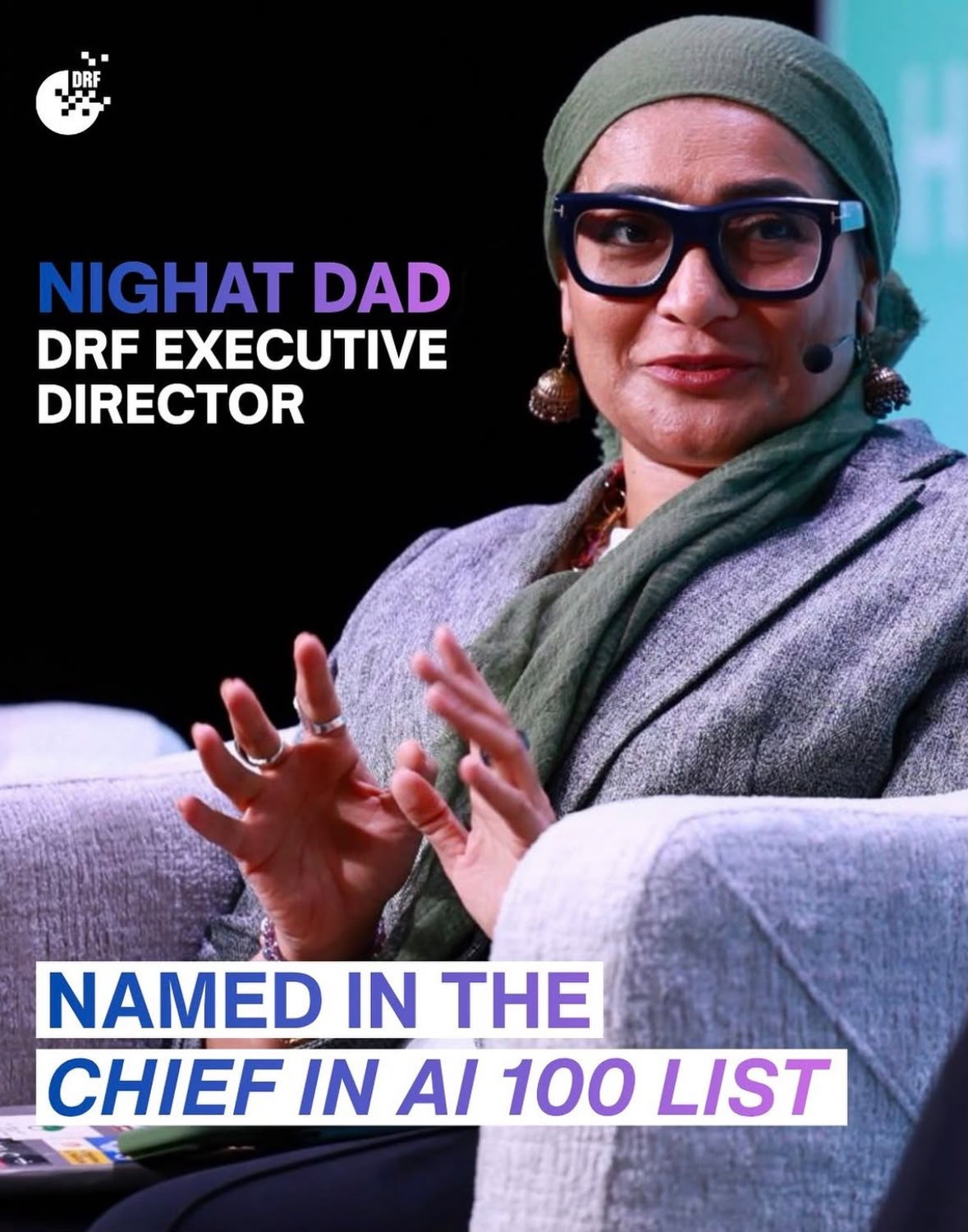 DRF Executive Director, Nighat Dad, Named Among Chief in AI’s Global 100 Leaders of 2026
In August, Digital Rights Foundation (DRF) celebrated the recognition of its Executive Director, Nighat Dad, who was named to Chief in AI’s Global 100 list for 2026. As the only Pakistani on the list, she joined 99 other leading executives shaping the future of artificial intelligence. The recognition reflects her foundational contributions to how AI is built, deployed and scaled globally, particularly in the areas of AI governance and responsible AI. Explore the full list: Chief in AI Global 100, 2026
Regional Engagements
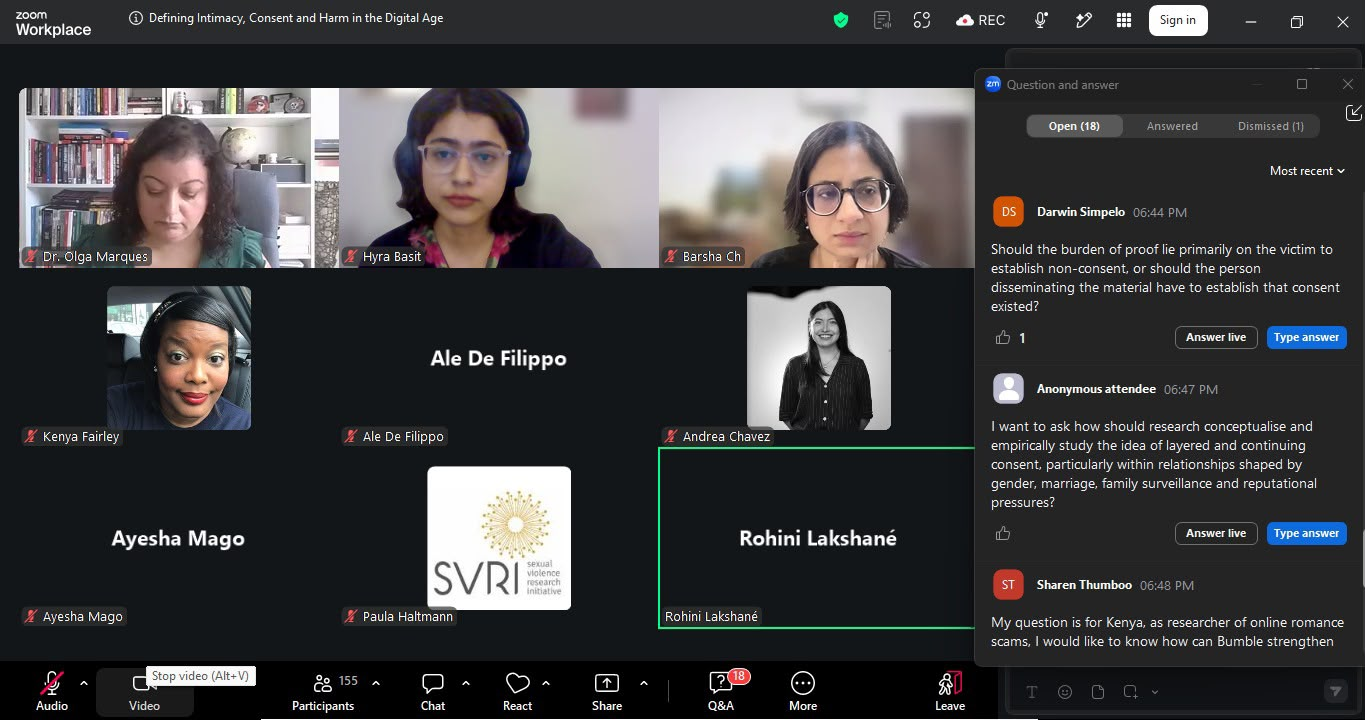
Defining Intimacy, Consent and Harm in the Digital Age
The Sexual Violence Research Institute (SVRI) hosted a panel discussion examining how narrow, Global North-centric definitions of intimacy and consent often fail to capture the realities of image-based abuse in South Asia and other contexts.
DRF drew on survivor experiences to illustrate how even seemingly non-intimate imagery can be weaponized to sexualize, shame, and silence individuals, particularly women. Building on this, the conversation emphasized that effective responses must be survivor-centered, trauma-informed, and culturally responsive, prioritizing rapid content removal, prevention of further dissemination, accessible reporting mechanisms, and meaningful access to support and justice.
DRF also stressed the importance of directly involving survivors in shaping platform policies and responses to image-based abuse, ensuring that solutions are informed by lived experience rather than designed around it.

Consultation on Children’s Rights and Safety in the Digital Environment
The DRF team attended the first regional consultation for Latin America and the Caribbean on children’s rights and safety online, held on 31 August, under Human Rights Council resolution 56/6. The consultation is part of a series of regional consultations aimed at gathering evidence and perspectives to inform the OHCHR’s report to the Human Rights Council at its 64th session, to take place in early 2027. The report will examine best practices and options for developing a framework.

Our Latest Research & Advocacy
The Okara Sahiwal Meme War: When Satire, AI, and Misinformation Collide in Pakistan’s Digital Spaces
In early June 2026, social media encountered a meme war between two cities in Punjab, Pakistan: Okara and Sahiwal. What initially emerged as a meme exchange, quickly turned into a nationwide alliance. DRF’s research interns broke down the “meme-war” and its implications in this blog. Read more here.
Conflict in the Age AI of Algorithms: Disinformation, Platform Power and The India-Pakistan Crisis of 2025

DRF’s new report examines the patterns of disinformation that emerged during the India-Pakistan conflict of May 20205. The report finds how there was a steady increase in disinformation across social media platforms which amplified hardships faced by communities and citizens in both countries. The report also goes into detail on the growing role of AI in spreading false narratives, hate speech and inciting violence and the impact this has on destabilizing already fragile environments. Read the full report here.
Press Coverage
Hacking, Image-Based Abuse, Deepfakes, and Fake IDs Increasingly Used to Blackmail Women
DRF Executive Director, Nighat Dad, joined Aaj Shahzeb Khanzada Kay Saath, hosted by Shahzeb Khanzada, to discuss the growing use of hacking, image-based abuse, deepfakes and fake IDs to blackmail and target women online. As the Digital Security Helpline marks 10 years of supporting survivors, the conversation highlighted the urgent need for stronger digital safety measures, accessible support systems and accountability for online abuse. Watch the conversation on Geo News.
Digital Harassment Against Women: Where Can Survivors Seek Help?
On Aaj Shahzeb Khanzada Kay Saath, DRF Executive Director, Nighat Dad, spoke about the growing threat of digital harassment against women, and the urgent need for safe, accessible support. The discussion highlighted how survivors can seek help when facing online abuse, including hacking, image-based abuse, blackmail and deepfakes, through DRF’s Digital Security Helpline. Watch the full segment on Geo News.
AI and the Skills Gap Undermining District Journalism in Punjab
“This is not digital inclusion, it is digital dependence.” Samaa TV featured DRF Founder and Executive Director Nighat Dad’s analysis of how shared-phone access can limit women’s privacy, autonomy, and ability to seek help online. Read Samaa TV’s coverage here.
Capacity-Building and Training Initiatives
Inter-Agency Gender-Based Violence Case Management Training
DRF participated in a five-day Inter-Agency Gender-Based Violence Case Management Training organised by the United Nations Population Fund (UNFPA) Pakistan in collaboration with the Social Welfare Department Punjab. Held in Lahore from 3–7 August, the training aimed to equip service providers with the knowledge and skills required to deliver quality care and support to GBV survivors. It emphasised safe, ethical and comprehensive GBV case management practices.
Digital Safety and Security Training for Trans People
On 6 August, DRF was invited to deliver a training session titled “Digital Safety and Security for Trans People”, organised by a transperson and women’s collective group at Kitab Ghar, Lahore. DRF’s Digital Security trainer facilitated a discussion on primary safety measures, privacy controls and protection against social engineering attacks, including phishing. The session also covered essential encryption concepts, safe mobile application practices and device hygiene to support secure online navigation.
Equipping Journalists with Inclusive and Gender-Responsive Journalism Practices
In partnership with the Pakistan Press Foundation and the Tribal News Network, DRF organised a one-day training workshop in Lahore focused on promoting gender-sensitive and inclusive journalism. The workshop brought together media professionals from rural outlets representing all four provinces. It included dedicated sessions on digital security, cybercrime law, mental health and the ethical use of artificial intelligence. The workshop was an extension of a fellowship held in July.
Tech Trends
Meta settles US lawsuit over children’s social media addiction
Following a landmark trial involving 29 US states, Meta has agreed to pay up to $18 billion over the next decade to settle allegations that its products have harmed children and that the company misled the public about their safety. As part of the settlement, Meta has also agreed to impose stricter limits on how teenagers use Facebook and Instagram and make changes to platform design features.
Digital Security Tip of the Month
Your Camera Is Tracking You And Telling Everyone Else
Even if you never share your location, your phone can store hidden location data (EXIF metadata) in the photos you take.
Here is how to stay off the radar:
- Turn off location tagging: Disable location access for your camera before taking photos.
- Check before posting: Open the photo’s “Info” or details to see if it includes your location.
- Be careful with familiar places: Take extra care with photos from your home, workplace, or places you visit often.
- Remove hidden data: Use tools like EXIFPurge or Scrambled Exif to remove location and other metadata before sharing.
- Captions can hide the truth. Metadata never does.
DRF Resources:
Digital Security Helpline
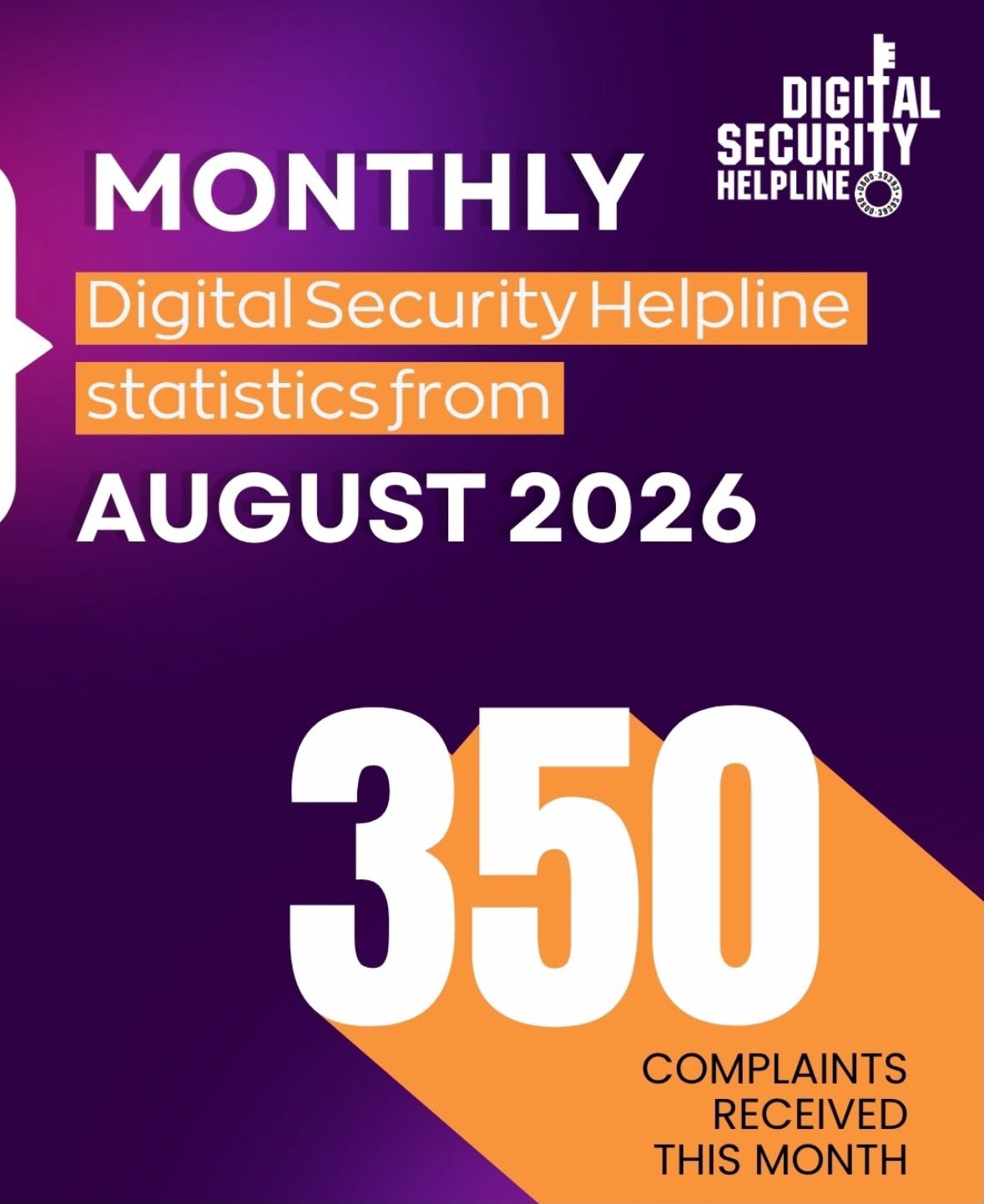
The Digital Security Helpline received 350 complaints in August 2026, of which 292 were related to cyber harassment.
If you’re encountering a problem online, you can reach out to our helpline at 0800-39393, email us at helpdesk@digitalrightsfoundation.pk or reach out to us on our social media accounts. We’re available for assistance from 9 AM to 5 PM, Monday to Friday.
Legal Support
DRF’s Legal team processed six (6) complaints in August 2026, all involving women, primarily related to blackmail, sextortion and non-consensual sharing of intimate content.
If you’re in need of any legal support or advice, you can reach out to DRF’s Ab Aur Nahin portal.
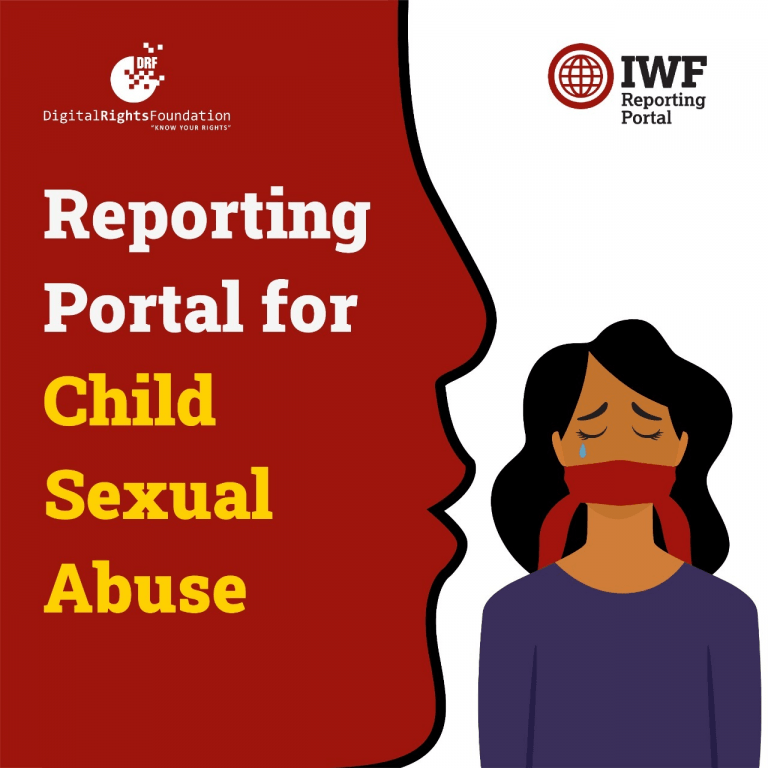
IWF Portal
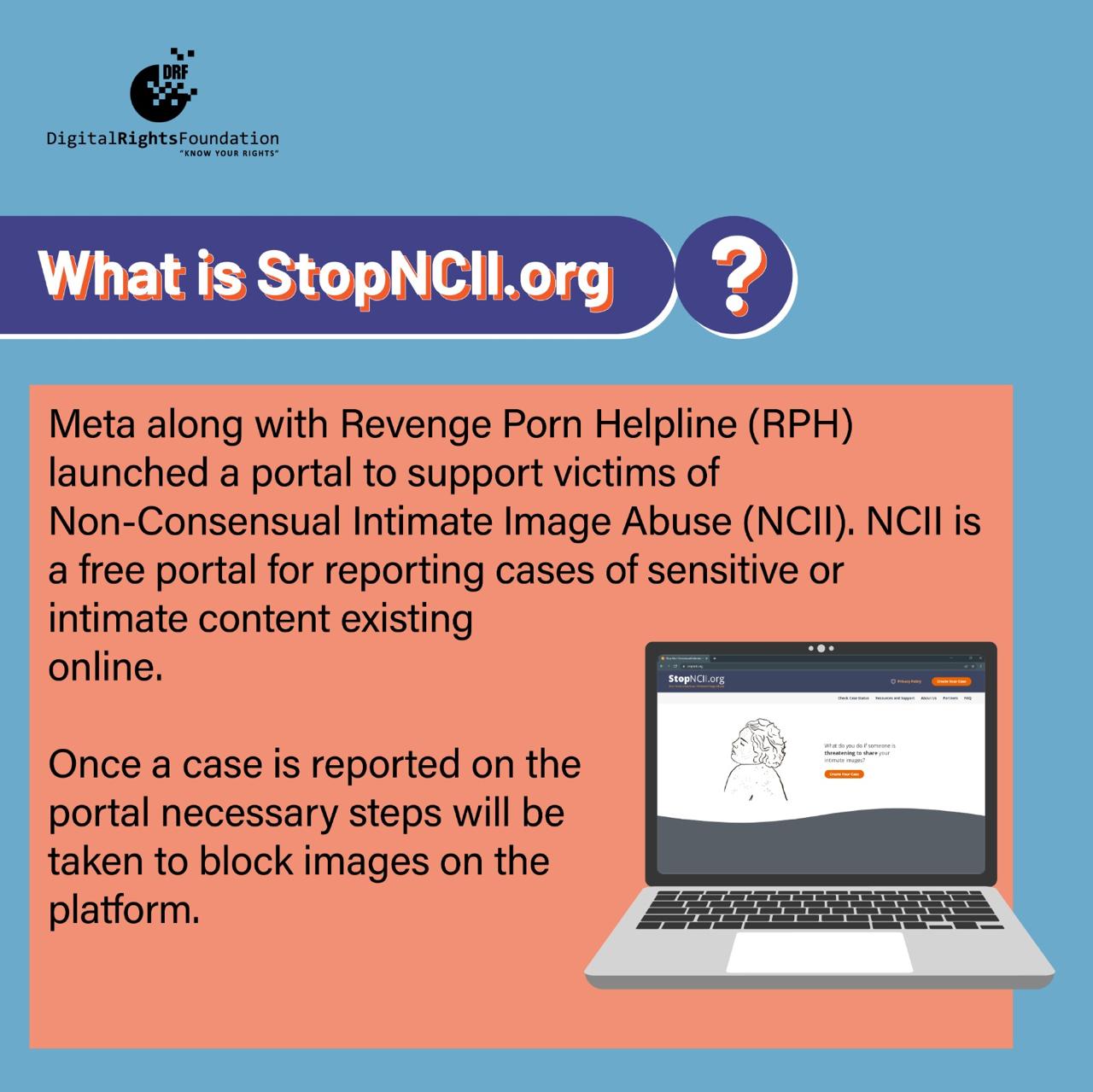
StopNCII.org